Chapter 5: Karma Sanyasa Yoga
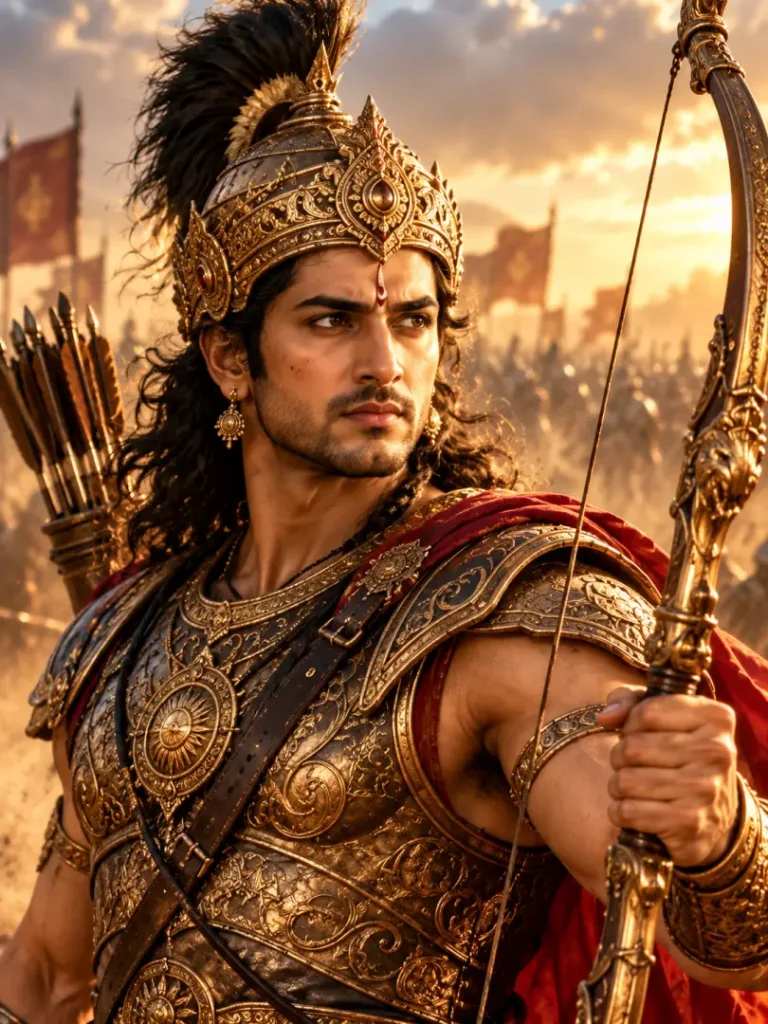
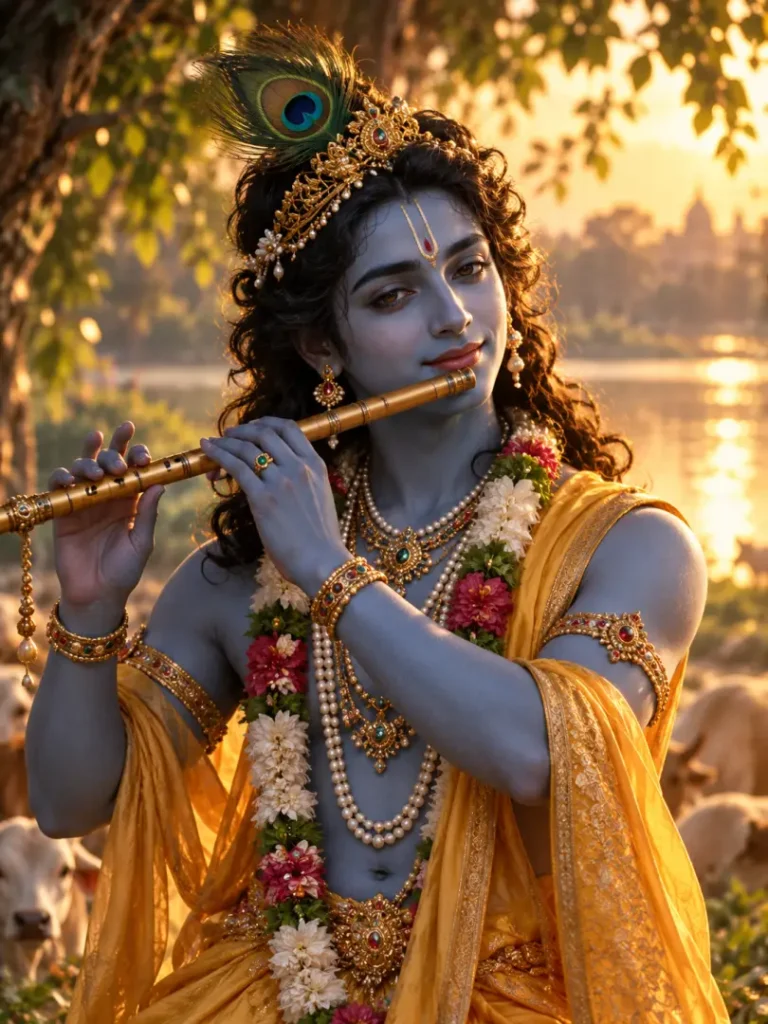
In the fifth chapter, Arjuna asks whether renouncing action or acting in yoga is better. Krishna answers that both lead to the same freedom, and describes the yogi who acts without attachment, sees the same self in all and finds peace within.
Chapter 5 of the Bhagavad Gita, Karma Sanyasa Yoga (“the yoga of renouncing action”), has 29 verses. On the field of Kurukshetra, in the middle of the Mahabharata story, Arjuna is left puzzled by two teachings that seem to pull apart, and he asks Krishna to say which is better. The answer shows that giving up action and acting without attachment end in the same freedom. The next chapter, Chapter 6, turns to meditation.
Summary of Chapter 5
Renunciation or action?
Arjuna asks Krishna to say clearly which is better, giving up actions or the yoga of action (5.1). Krishna replies that both lead to the highest good, but that acting in yoga is better than simply abandoning action (5.2). The true renouncer is the one who neither hates nor craves (5.3), only the immature treat the two paths as separate (5.4, 5.5), and renunciation without yoga is hard to attain (5.6).
Acting without being stained
The yogi with a pure mind and mastered senses, who sees the same self in all beings, is not stained even while acting (5.7). Knowing the truth, he thinks “I do nothing” even as he sees, eats and breathes (5.8, 5.9). Like a lotus leaf in water, one who offers actions to Brahman stays untouched by sin (5.10). Yogis act for the purification of the self (5.11), and giving up the fruit of action brings lasting peace while desire for the fruit binds (5.12).
Who acts, and what ignorance hides
The self-governed dweller rests in the body, the city of nine gates, neither acting nor causing action (5.13). Doership, deeds and the link to their fruit all come from nature (5.14). The all-pervading one takes on no one’s sin or merit, and beings are deluded because ignorance covers knowledge (5.15). When knowledge destroys that ignorance, it shines like the sun (5.16), and those fixed in it reach the state of no return (5.17).
Equal vision and inner joy
The wise look with an equal eye on a scholar, a cow, an elephant, a dog and an outcaste (5.18). Those whose minds rest in sameness conquer the cycle of birth even here (5.19), and the knower of Brahman stays steady in pleasure and pain (5.20). Unattached to outer contacts, he finds imperishable happiness in the self (5.21), because pleasures born of contact begin and end and breed suffering (5.22).
Beyond desire and anger
The yogi is the one who can bear the surge of desire and anger in this very life (5.23). With joy, rest and light all within, he becomes Brahman and attains brahma-nirvana (5.24). Seers who have shed their faults and doubts and delight in the good of all beings reach the same state (5.25), and for ascetics free of desire and anger it lies close on every side (5.26).
Meditation and the friend of all beings
A short instruction on meditation follows: shut out outer contacts, rest the gaze between the brows and even out the breath (5.27). The sage who has mastered senses, mind and intellect and is free of wish, fear and anger is always free (5.28). The chapter closes with Krishna’s words that peace comes from knowing him as the receiver of all sacrifices and austerities, the lord of the worlds and the friend of all beings (5.29).
Themes
Knowledge and disciplined action are not rivals. Firm practice of either leads to the same state.
A renouncer is known by the absence of hatred and craving, not by outer signs. Action offered without attachment leaves no stain.
The wise see the same self in every being, so no one is looked down on.
Lasting happiness comes from the self, not from contact with objects that begin and end.
How the commentators read it
Shankara takes the renunciation of the chapter as renunciation of the sense of being the doer, which is reached through knowledge, and treats action as a means that prepares the mind. Ramanuja reads the chapter as praise of karma yoga, with action done as worship and knowledge of the self growing out of it. Both agree that Krishna ends by pointing beyond technique to the Lord who is the friend of all beings.
Why Chapter 5 matters
Many readers feel pulled between getting on with life and stepping away from it. This chapter says the choice is less sharp than it looks. What matters is the state of the mind while one acts: free of hatred, free of craving, and steady in pleasure and pain. For that reason the chapter is often turned to by people who want to work fully and still stay at peace.
Verses
- 1Bhagavad Gita 5.1संन्यासं कर्मणां कृष्ण पुनर्योगं च शंससि।
- 2Bhagavad Gita 5.2संन्यासः कर्मयोगश्च निःश्रेयसकरावुभौ।
- 3Bhagavad Gita 5.3ज्ञेयः स नित्यसंन्यासी यो न द्वेष्टि न काङ्क्षति।
- 4Bhagavad Gita 5.4सांख्ययोगौ पृथग्बालाः प्रवदन्ति न पण्डिताः।
- 5Bhagavad Gita 5.5यत्सांख्यैः प्राप्यते स्थानं तद्योगैरपि गम्यते।
- 6Bhagavad Gita 5.6संन्यासस्तु महाबाहो दुःखमाप्तुमयोगतः।
- 7Bhagavad Gita 5.7योगयुक्तो विशुद्धात्मा विजितात्मा जितेन्द्रियः।
- 8Bhagavad Gita 5.8नैव किंचित्करोमीति युक्तो मन्येत तत्त्ववित्।
- 9Bhagavad Gita 5.9प्रलपन्विसृजन्गृह्णन्नुन्मिषन्निमिषन्नपि।
- 10Bhagavad Gita 5.10ब्रह्मण्याधाय कर्माणि सङ्गं त्यक्त्वा करोति यः।
- 11Bhagavad Gita 5.11कायेन मनसा बुद्ध्या केवलैरिन्द्रियैरपि।
- 12Bhagavad Gita 5.12युक्तः कर्मफलं त्यक्त्वा शान्तिमाप्नोति नैष्ठिकीम्।
- 13Bhagavad Gita 5.13सर्वकर्माणि मनसा संन्यस्यास्ते सुखं वशी।
- 14Bhagavad Gita 5.14न कर्तृत्वं न कर्माणि लोकस्य सृजति प्रभुः।
- 15Bhagavad Gita 5.15नादत्ते कस्यचित्पापं न चैव सुकृतं विभुः।
- 16Bhagavad Gita 5.16ज्ञानेन तु तदज्ञानं येषां नाशितमात्मनः।
- 17Bhagavad Gita 5.17तद्बुद्धयस्तदात्मानस्तन्निष्ठास्तत्परायणाः।
- 18Bhagavad Gita 5.18विद्याविनयसंपन्ने ब्राह्मणे गवि हस्तिनि।
- 19Bhagavad Gita 5.19इहैव तैर्जितः सर्गो येषां साम्ये स्थितं मनः।
- 20Bhagavad Gita 5.20न प्रहृष्येत्प्रियं प्राप्य नोद्विजेत्प्राप्य चाप्रियम्।
- 21Bhagavad Gita 5.21बाह्यस्पर्शेष्वसक्तात्मा विन्दत्यात्मनि यत्सुखम्।
- 22Bhagavad Gita 5.22ये हि संस्पर्शजा भोगा दुःखयोनय एव ते।
- 23Bhagavad Gita 5.23शक्नोतीहैव यः सोढुं प्राक्शरीरविमोक्षणात्।
- 24Bhagavad Gita 5.24योऽन्तःसुखोऽन्तरारामस्तथान्तर्ज्योतिरेव यः।
- 25Bhagavad Gita 5.25लभन्ते ब्रह्मनिर्वाणमृषयः क्षीणकल्मषाः।
- 26Bhagavad Gita 5.26कामक्रोधवियुक्तानां यतीनां यतचेतसाम्।
- 27Bhagavad Gita 5.27स्पर्शान्कृत्वा बहिर्बाह्यांश्चक्षुश्चैवान्तरे भ्रुवोः।
- 28Bhagavad Gita 5.28यतेन्द्रियमनोबुद्धिर्मुनिर्मोक्षपरायणः।
- 29Bhagavad Gita 5.29भोक्तारं यज्ञतपसां सर्वलोकमहेश्वरम्।
Characters in this chapter
Places in this chapter
Key concepts

Frequently asked questions
What is Chapter 5 of the Bhagavad Gita about?
Why is Chapter 5 called Karma Sanyasa Yoga?
How many verses are in Chapter 5 of the Gita?
Who speaks in Chapter 5?
What is the lotus leaf image in Chapter 5?
What does Chapter 5 say about equal vision?
What are the key verses of Chapter 5?
Sources and further reading
- Mahabharata, Bhishma Parva, Bhagavad Gita chapter 5
- Sanskrit text from public-domain digital editions; meanings by Vedic Kathas
- Classical commentaries of Shankara and Ramanuja on the Gita
- The Mahabharata, K. M. Ganguli translation (Sacred Texts)
Read our editorial policy on how scripture, Purana and folk tradition are labelled.