Shiva
शिवThe destroyer and transformer; lord of yogis and of the cosmic dance. Also called Mahadeva, Shankara, Shambhu, Rudra, Neelakantha, Pashupati, Bholenath, Maheshvara, Nataraja, Mahakala.
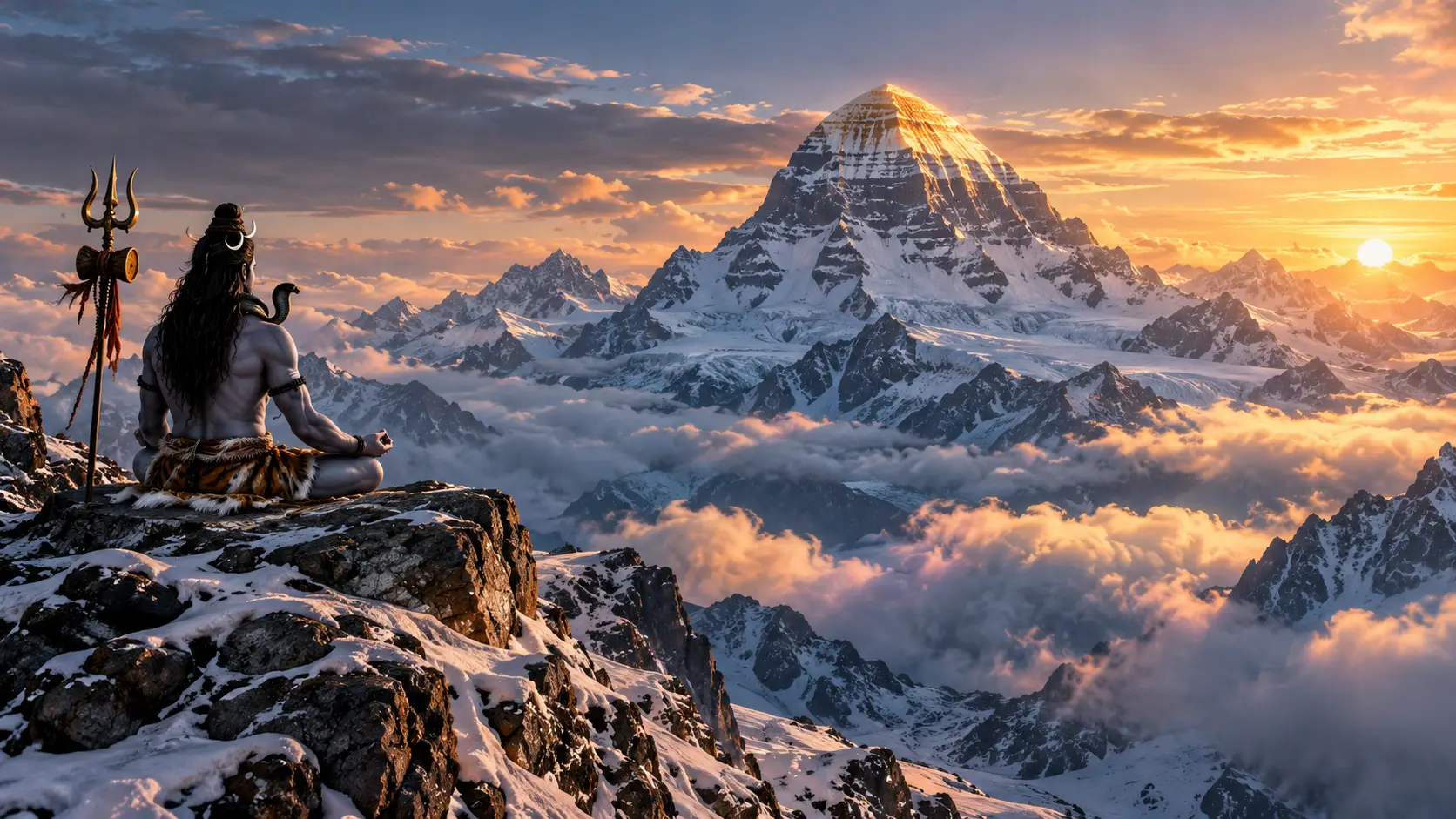
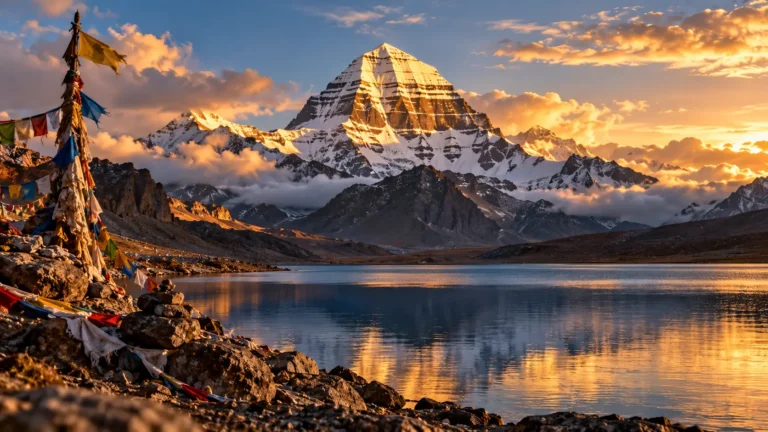
Shiva is Mahadeva, the great god of Hinduism and the destroyer and transformer in the Trimurti. He meditates on Mount Kailash with Parvati, Ganesha and Kartikeya, wears the moon and the Ganga in his hair, and dances as Nataraja. Shaivas worship him, above all in the linga, as the Supreme Being.
Who is Shiva?
Shiva (Sanskrit: शिव, Śiva), “the auspicious one”, is one of the principal gods of Hinduism. In the Trimurti he is the destroyer, or more precisely the transformer, who dissolves the universe at the end of each cycle so that it can be created anew. For the Shaiva traditions he is far more than that: he is Mahadeva, the great god, the Supreme Being who creates, preserves, dissolves, conceals and reveals. He is at once the ascetic yogi meditating on Mount Kailash, the householder with his wife Parvati and their sons Ganesha and Kartikeya, and Nataraja, the lord of the dance whose rhythm moves the cosmos.
What does the name Shiva mean?
Śiva means auspicious, kind, gracious. In the Rigveda the word is an adjective applied to several gods, including the storm god Rudra; over time it became the name of the god himself. He is praised in the Shiva Sahasranama with a thousand names and in the Shri Rudram with hundreds more. Among the best known are Mahadeva (the great god), Maheshvara and Parameshvara (the great and supreme lord), Shankara (the giver of happiness), Shambhu (the source of bliss), Rudra (the roarer, the fierce one), Neelakantha (the blue-throated), Pashupati (lord of all creatures), Bholenath (the simple, easily pleased lord), Tryambaka (the three-eyed), Gangadhara (bearer of the Ganga), Chandrashekhara (who wears the moon), Umapati (husband of Uma) and Mahakala (great time).
Shiva in the Vedas and Upanishads
Shiva’s roots lie in Rudra, the fierce storm god of the Rigveda, to whom three hymns are addressed. Rudra is feared as the archer whose arrows bring disease, and loved as the healer with a thousand remedies; hymn 2.33 calls him the father of the Maruts, the storm gods. Rigveda 7.59.12 contains the Mahamrityunjaya Mantra, the prayer to the three-eyed one for freedom from death.
The Yajurveda contains the Shri Rudram (Shatarudriya), a great litany that praises Rudra in every form and at its heart gives the five-syllable mantra namah shivaya. The Shvetashvatara Upanishad (around 400 to 200 BCE) is the first text to present Rudra-Shiva as the one supreme God, creator of the cosmos and liberator of souls: “Rudra is truly one; they do not admit a second” (3.2).
Shiva in the Trimurti and in Shaivism
In the familiar Trimurti, Brahma creates, Vishnu preserves and Shiva dissolves, and the Maitri Upanishad links Shiva with tamas, the quality of rest and dissolution. Dissolution is not an evil: it is what makes renewal possible, as night makes way for day.
For Shaivas, Shiva is the whole. The Shaiva Siddhanta tradition says he performs five acts, the panchakritya: creation, preservation, dissolution, concealment and the revealing grace that frees the soul. The Shiva Purana tells how Brahma and Vishnu, quarrelling over who was greatest, were confronted by an endless pillar of fire. Vishnu as a boar dug down and Brahma as a swan flew up, and neither found its end. Shiva appeared from the pillar as Lingodbhava, and this is told as the origin of the linga and of the twelve Jyotirlingas.
What does Shiva look like?
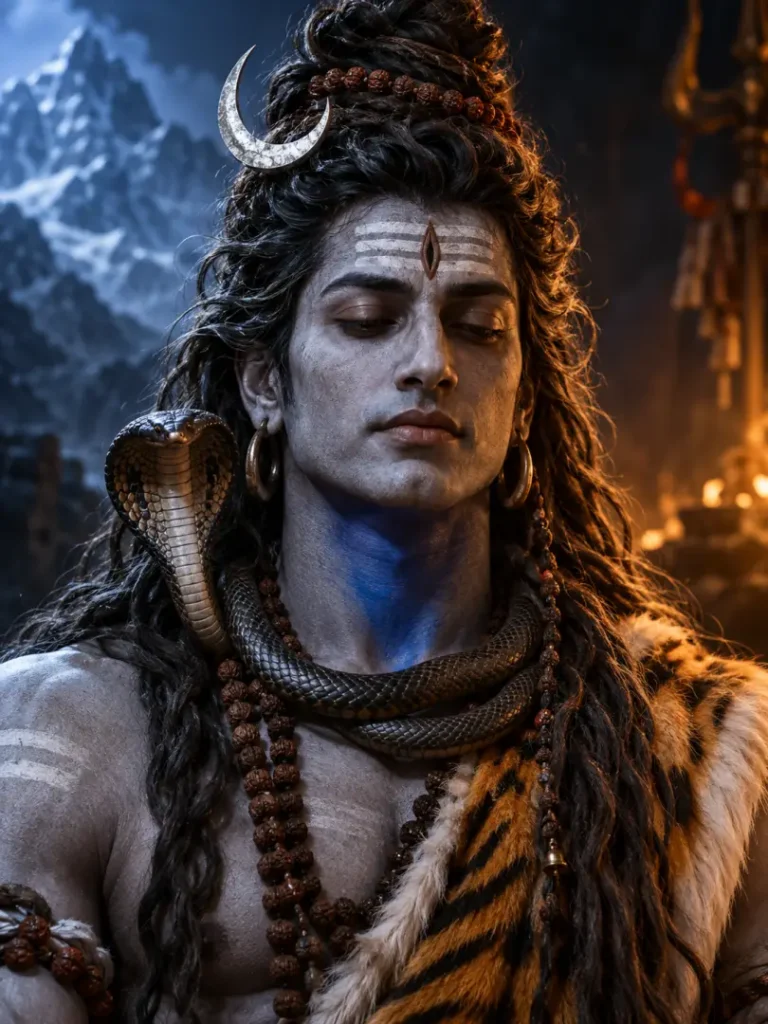
- The third eye on his forehead, the eye of inner vision, whose fire burned Kamadeva to ashes.
- Matted locks (jata) piled high, with the crescent moon and the river Ganga flowing from them.
- The blue throat where he holds the poison halahala from the churning of the ocean.
- Sacred ash (vibhuti) smeared on his body, a reminder that everything material ends as ash.
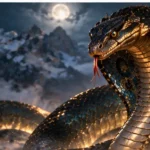
- Serpents, above all Vasuki, coiled around his neck and arms.
- A tiger or elephant skin as his garment or seat, and rudraksha beads.
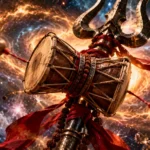
- The Trishula (trident), the Damaru (drum), the bow Pinaka, the axe (parashu) and the deer.
- His mount, the bull Nandi, who faces him in every temple.
Above all, Shiva is worshipped in the linga, a smooth rounded pillar set in a base called the yoni or pitha. Linga means sign or mark: it is the formless form of Shiva, the pillar without beginning or end, and the base stands for Shakti, so the two together represent the union of Shiva and his power.
Shiva’s family
Shiva’s first wife was Sati, daughter of the patriarch Daksha. When Daksha insulted Shiva at his great sacrifice, Sati gave up her life in its fire; Shiva’s fury, as Virabhadra, destroyed the sacrifice, and as he wandered carrying Sati’s body, the places where it fell became the 51 Shakti Peethas. Sati was reborn as Parvati, daughter of Himavan, who won Shiva through penance. Their children are Ganesha, the remover of obstacles, whom Parvati shaped from turmeric paste, and Kartikeya, the warrior god also called Skanda and Murugan. Some traditions add the serpent goddess Manasa, the daughter Ashokasundari, and Ayyappa (Shasta), born of Shiva and Vishnu’s female form Mohini. Shiva’s household on Kailash includes Nandi, the ganas led by Ganesha, and the devoted sage Bhringi.
The great stories of Shiva
- Neelakantha — During the churning of the ocean a deadly poison, halahala, rose first and threatened to destroy all life. Shiva drank it to save the worlds; Parvati pressed his throat so it would not go further, and it stayed there, turning his throat blue.
- The descent of the Ganga — King Bhagiratha’s penance brought the heavenly river down to earth to free the souls of his ancestors. Her fall would have shattered the world, so Shiva caught her in his matted hair and released her gently in streams.
- The burning of Kama — When Kamadeva shot the arrow of desire at the meditating Shiva, Shiva opened his third eye and burned him to ash. Later, at Rati’s plea, Kama was restored without a body, as Ananga.
- Tripurantaka — With a single arrow from Pinaka Shiva destroyed the three flying cities of the asuras the moment they came into line.
- Markandeya — The boy sage, destined to die at sixteen, clung to a linga when Yama came for him. Shiva burst from the linga as Kalantaka, the ender of death, and made Markandeya forever sixteen.
- Ravana lifts Kailash — Ravana tried to lift the mountain, and Shiva pinned him beneath it with his toe until he sang the god’s praise.
- Kirata and Arjuna — In the Mahabharata, Shiva tests Arjuna in the form of a wild hunter, fights him, and then gives him the Pashupatastra.
- Bhasmasura — A demon who won the boon of turning anyone to ash by touching their head tried to use it on Shiva himself, and was tricked by Vishnu as Mohini into touching his own head.
The twelve Jyotirlingas
The Jyotirlingas, “lingas of light”, are twelve shrines where Shiva is believed to have appeared as the pillar of light. They are named in the Dvadasha Jyotirlinga Stotram and visited by pilgrims across India:
- Somnath — Prabhas Patan, Gujarat
- Mallikarjuna — Srisailam, Andhra Pradesh
- Mahakaleshwar — Ujjain, Madhya Pradesh
- Omkareshwar — on the Narmada, Madhya Pradesh
- Kedarnath — Uttarakhand (see Kedarnath)
- Bhimashankar — Pune district, Maharashtra
- Kashi Vishwanath — Varanasi, Uttar Pradesh (see Varanasi)
- Trimbakeshwar — near Nashik, Maharashtra
- Baidyanath — Deoghar, Jharkhand
- Nageshwar — near Dwarka, Gujarat
- Rameswaram — Tamil Nadu, said to have been installed by Rama
- Grishneshwar — near Ellora, Maharashtra
Shaiva traditions
- Shaiva Siddhanta — the great South Indian tradition based on the 28 Shaiva Agamas and the Tamil hymns of the 63 Nayanar saints (the Tirumurai).
- Kashmir Shaivism — the non-dual philosophy of the Trika and Krama schools, taught above all by Abhinavagupta (10th to 11th century).
- Pashupata — one of the oldest Shaiva ascetic orders, traced to Lakulisha.
- Lingayat (Virashaiva) — the movement of Basavanna in 12th-century Karnataka, whose followers wear a small linga on the body.
- Nath tradition — the yogis of Matsyendranath and Gorakhnath, who see Shiva as Adinath, the first yogi.
- Smarta tradition — in which Shiva is one of the five deities of the panchayatana puja, and Adi Shankaracharya’s hymns to Shiva are widely sung.
How is Shiva worshipped?
- Om Namah Shivaya, the Panchakshara, and the Mahamrityunjaya Mantra are the most widely recited prayers.
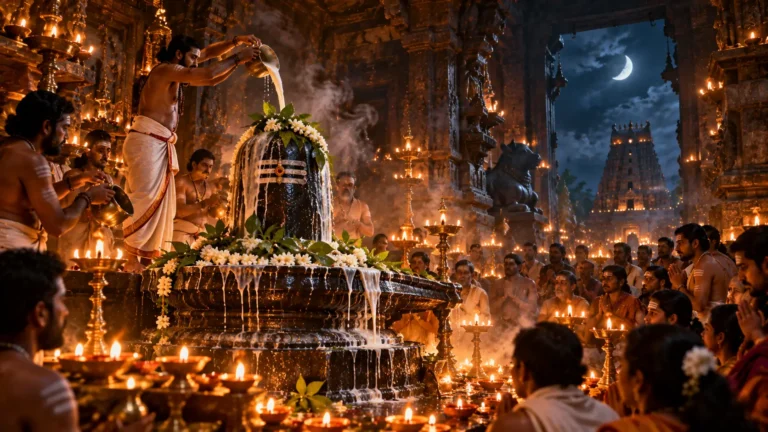
- Abhisheka — the linga is bathed with water, milk, curd, honey and Ganga water, and offered bilva leaves, datura, white flowers and ash.
- Monday (Somvar) is Shiva’s day; many keep the Somvar vrat, and the Mondays of Shravan (July to August) are especially sacred.
- Pradosha, the twilight of the thirteenth lunar day, is the hour of Shiva and Nandi.
- Maha Shivaratri, the great night of Shiva, is kept with fasting and an all-night vigil.
- The Kanwar Yatra of Shravan, when millions carry Ganga water on foot to pour on Shiva lingas.
- The aarti Om Jai Shiv Omkara, the Shiva Tandava Stotram and the Shiva Chalisa.
Where is Shiva worshipped?
Beyond the Jyotirlingas, the great Shiva temples include Pashupatinath in Kathmandu; Chidambaram, the shrine of Nataraja; the Brihadeeswarar temple in Thanjavur, built by Rajaraja Chola around 1010; the five Pancha Bhoota Sthalams of South India, each linked to an element; Amarnath, the ice linga in a Kashmir cave; Lingaraja in Bhubaneswar; and the Kailasa temple carved from a single rock at Ellora. Beyond India, the 9th-century Prambanan complex in Java is crowned by a great temple to Shiva.
एको हि रुद्रो न द्वितीयाय तस्थुर्
य इमाँल्लोकानीशत ईशनीभिः।
Rudra is truly one; the knowers of Brahman do not admit a second. He rules these worlds with his powers.
The 10 avatars
Weapons and symbols
Aartis and mantras of Shiva
Connected to Shiva
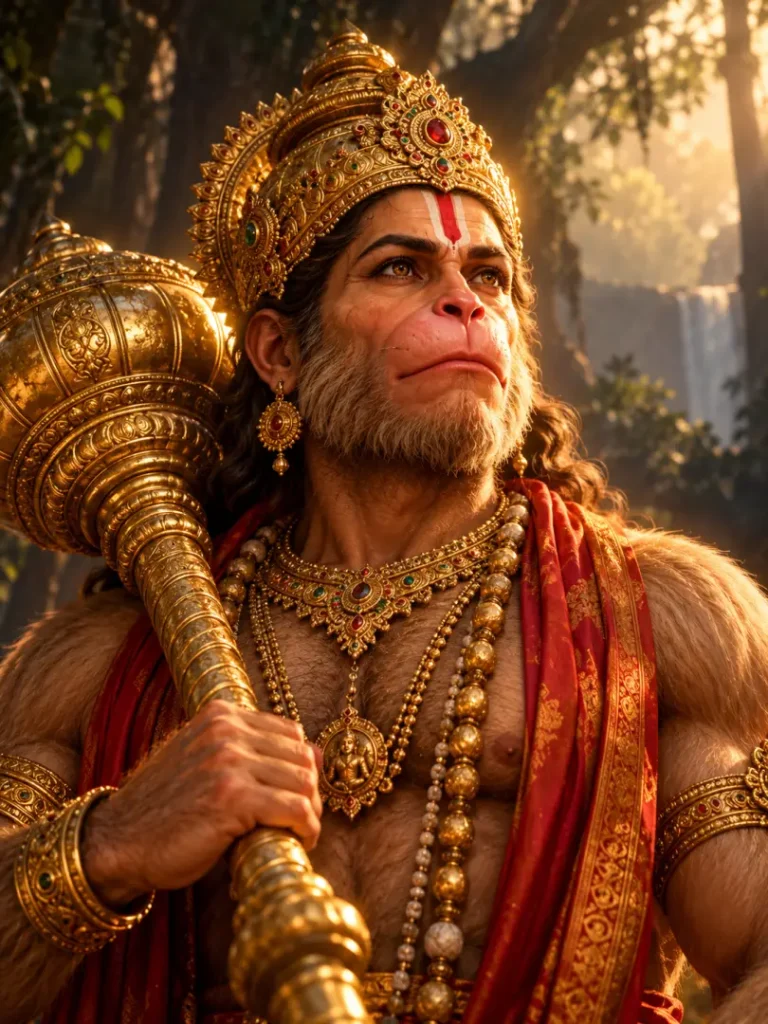 Avatars & formsHanumanहनुमान
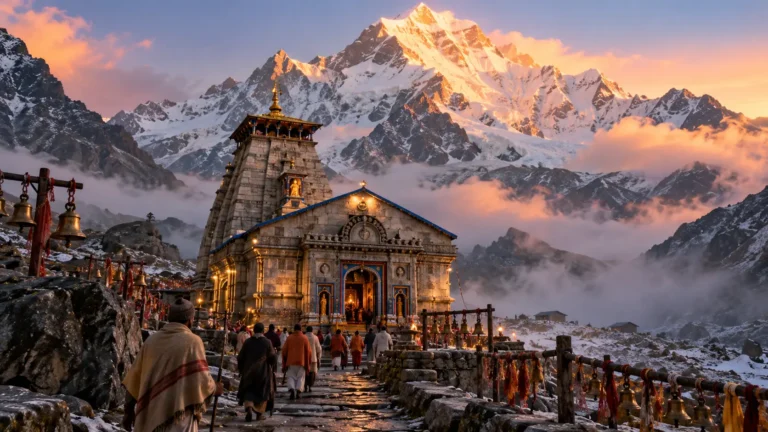 Places & templesKedarnathकेदारनाथ
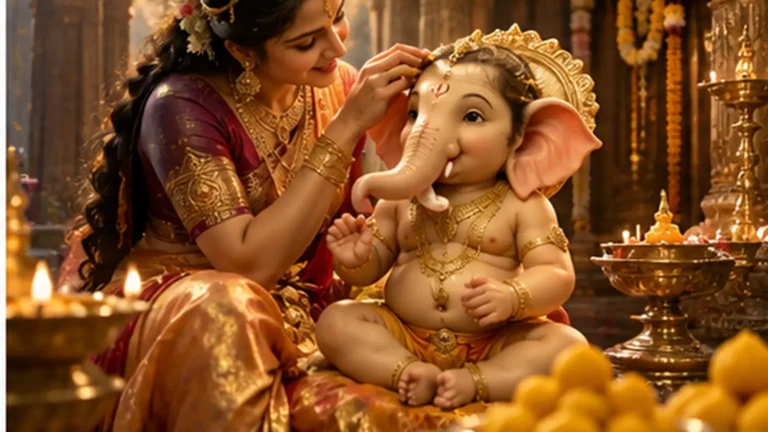 Stories & mythsThe Birth of Ganeshaगणेश का जन्म
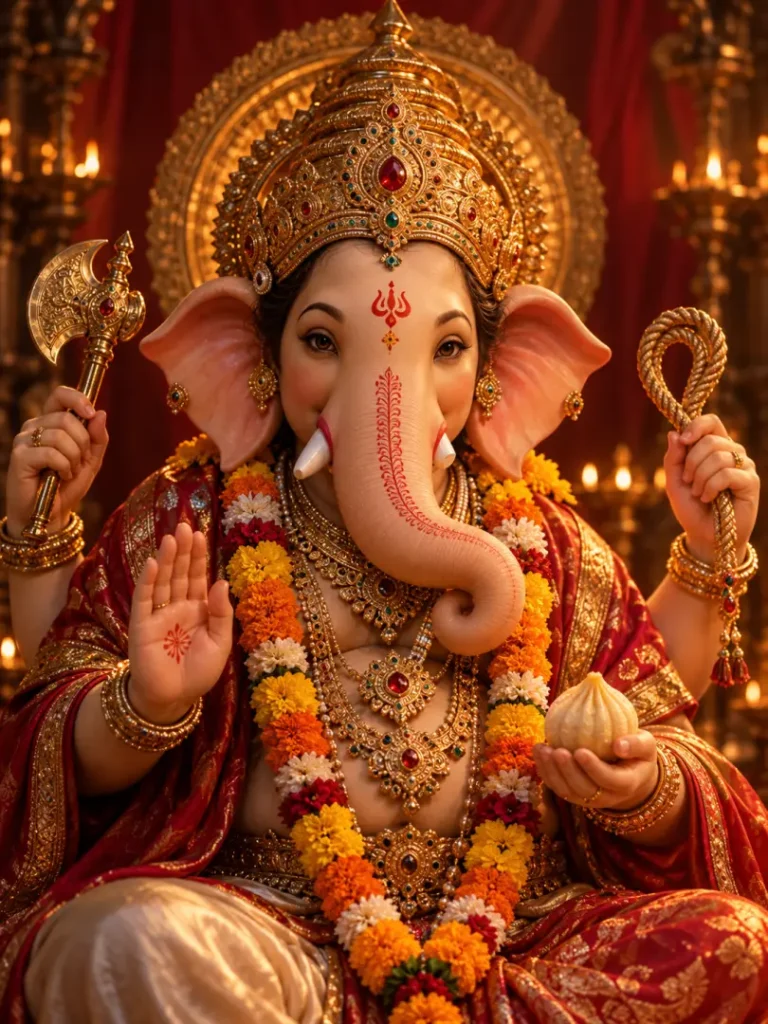 ChildrenGaneshaगणेश
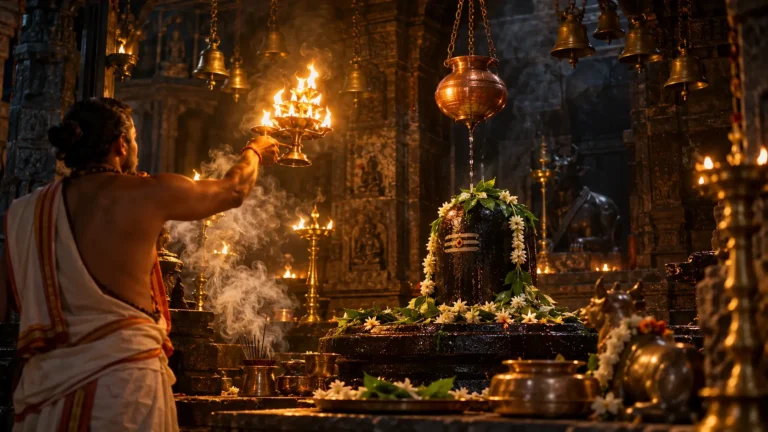 Aartis & mantrasOm Jai Shiv Omkaraॐ जय शिव ओंकारा
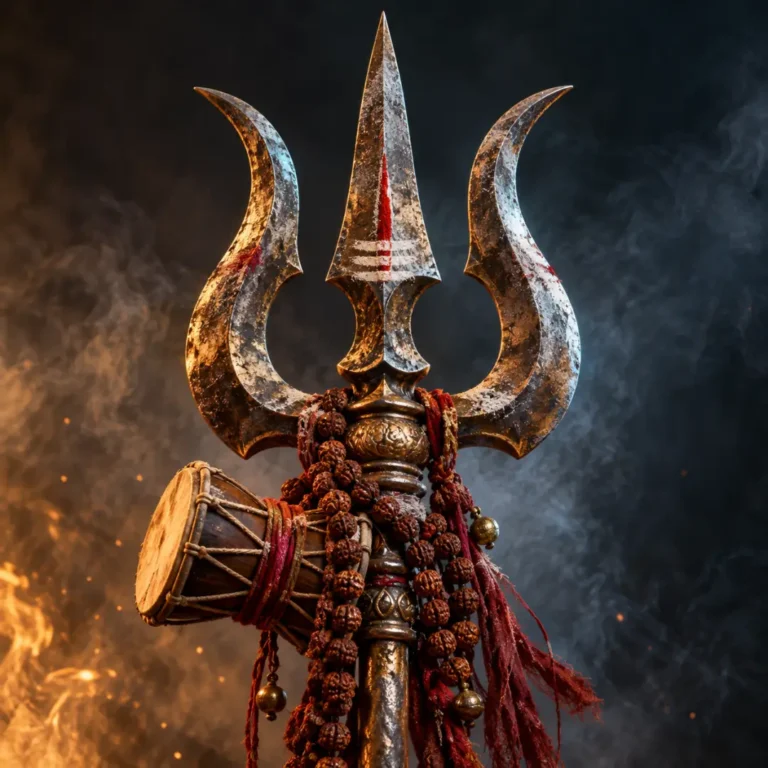 WeaponsTrishulaत्रिशूल
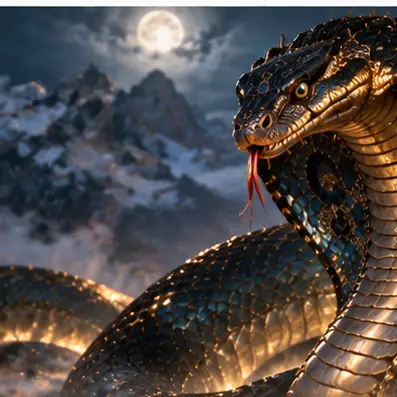 SerpentVasukiवासुकि
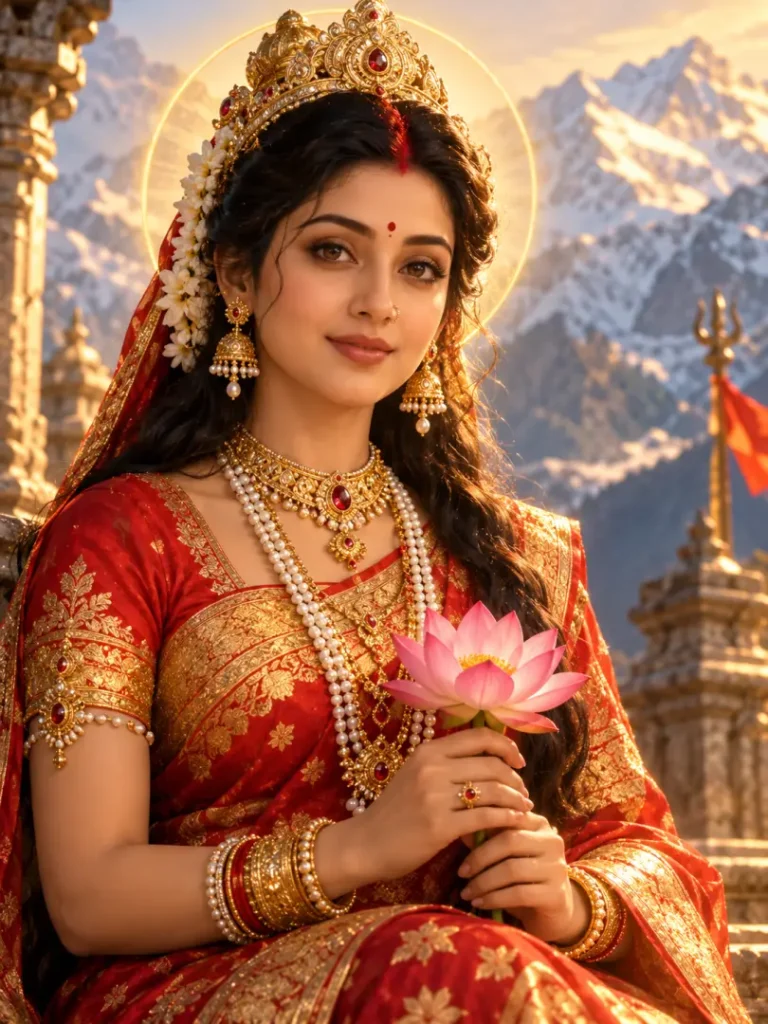 ConsortParvatiपार्वती
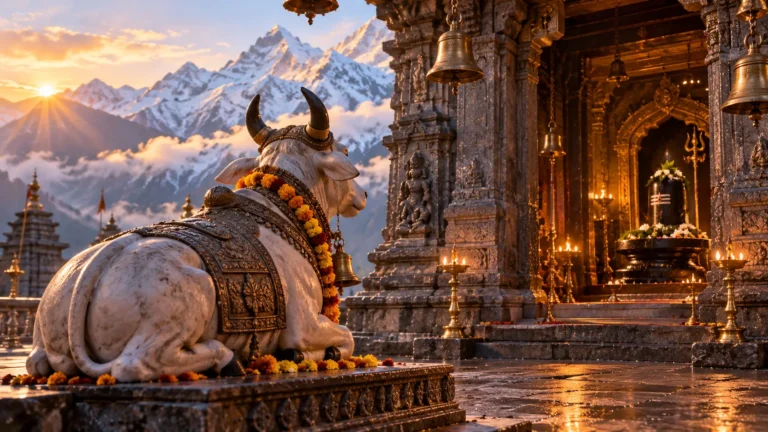 MountNandiनंदी
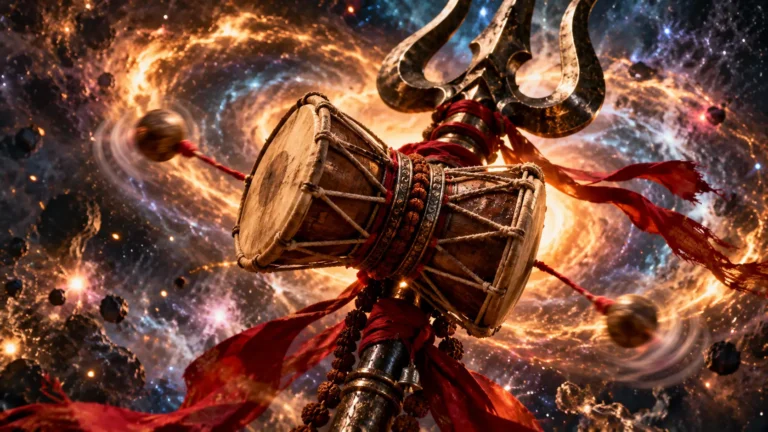 ObjectsDamaruडमरू
 AbodeKailashकैलाश
 FestivalsMaha Shivaratriमहाशिवरात्रि