DeityShaivism
Shiva: Avatars
शिवThe destroyer and transformer; lord of yogis and of the cosmic dance. Also called Mahadeva, Shankara, Shambhu, Rudra, Neelakantha, Pashupati, Bholenath, Maheshvara, Nataraja, Mahakala.
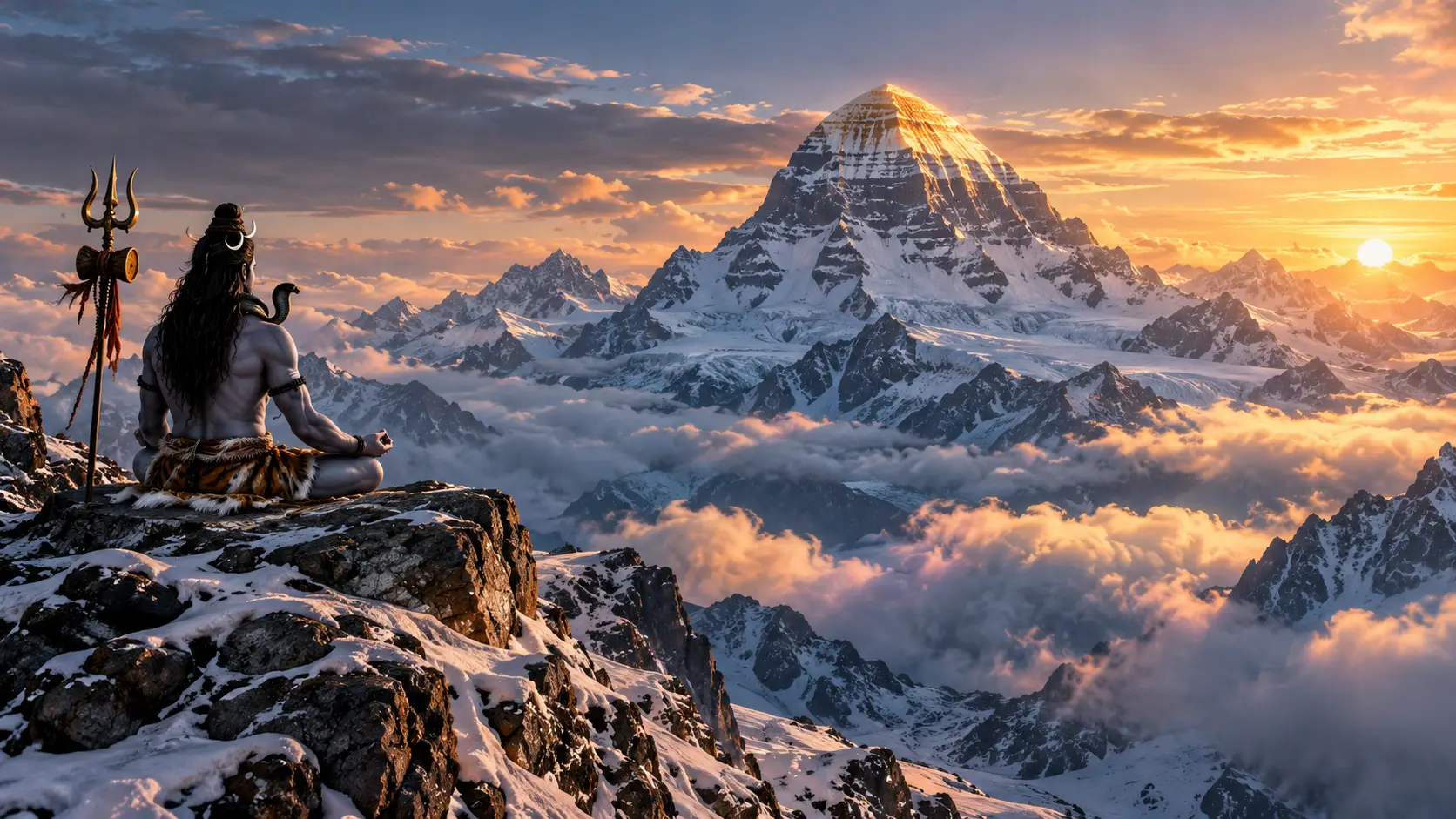
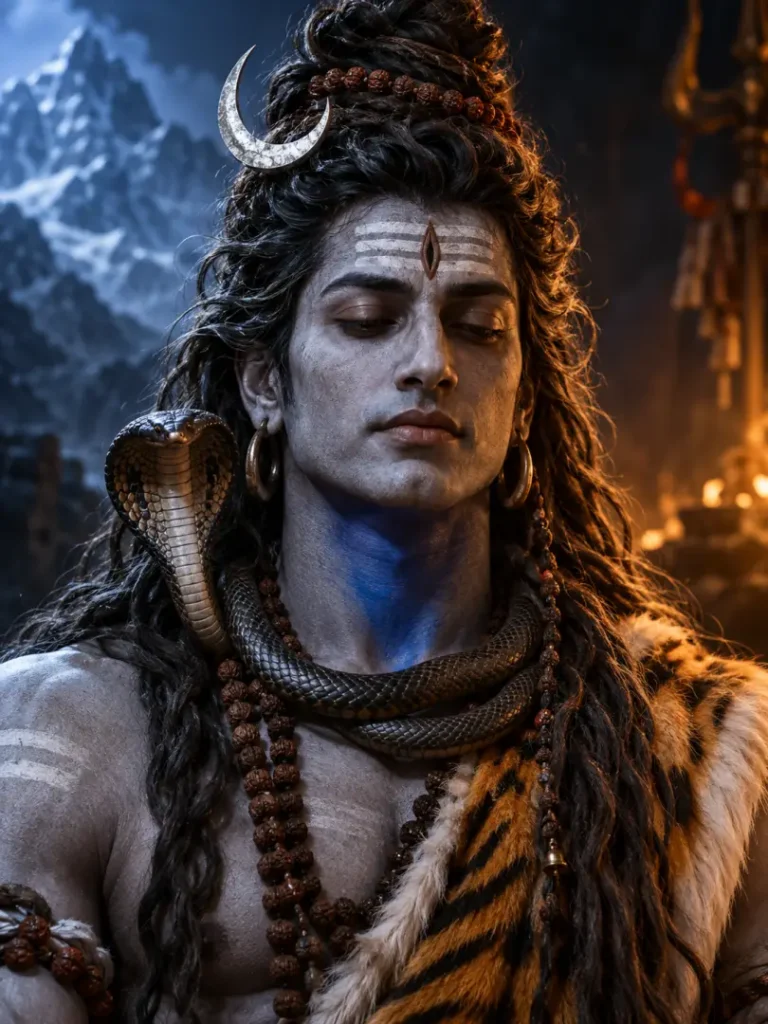
Shiva is Mahadeva, the great god of Hinduism and the destroyer and transformer in the Trimurti. He meditates on Mount Kailash with Parvati, Ganesha and Kartikeya, wears the moon and the Ganga in his hair, and dances as Nataraja. Shaivas worship him, above all in the linga, as the Supreme Being.
What are the avatars of Shiva?
Shiva has no single fixed list like Vishnu's ten avatars. The Shiva Purana (Shatarudra Samhita) describes many avatars, temple art knows dozens of forms (murtis), and the forms below are among the most important.
1NatarajaLord of the danceForm
2ArdhanarishvaraHalf Shiva, half ParvatiForm
3DakshinamurthyThe silent teacherForm
4NeelakanthaThe blue-throatedForm
5GangadharaBearer of the GangaForm
6LingodbhavaThe pillar of lightForm
7BhairavaThe fierce guardianAvatar
8VirabhadraDestroyer of Daksha's sacrificeAvatar
9KirataThe hunter who tested ArjunaAvatar
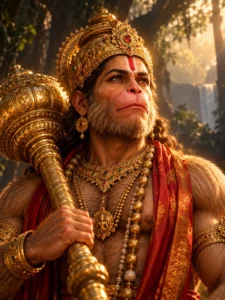 10HanumanThe eleventh RudraAvatar
The story of each avatar of Shiva
1. Nataraja · Lord of the dance
Nataraja dances the Ananda Tandava, the dance of bliss, within a ring of fire. In his upper hands he holds the drum of creation and the fire of dissolution; a lower hand is raised in blessing and another points to his lifted foot, the refuge of the soul, while his other foot crushes Apasmara, the dwarf of ignorance. The image is the presiding form at Chidambaram, and the Chola bronzes of Nataraja are among the masterpieces of world art.
2. Ardhanarishvara · Half Shiva, half Parvati
In this form Shiva and Parvati share a single body, the right half male and the left half female. It shows that Shiva and Shakti, consciousness and energy, Purusha and Prakriti, cannot exist apart. One Purana tells that the sage Bhringi wished to circle Shiva alone in worship, and Parvati merged with Shiva so that he could not. Ancient images of Ardhanarishvara are found from the Kushan period onward, and at Elephanta.
3. Dakshinamurthy · The silent teacher
Dakshinamurthy is Shiva as the supreme guru, seated beneath a banyan tree facing south, with four aged sages at his feet. He teaches them not in words but in silence, through the chin-mudra, the gesture of knowledge, and their doubts dissolve. He is worshipped as the teacher of yoga, music and all wisdom, especially on Thursdays in South Indian temples, and Adi Shankaracharya's Dakshinamurthy Stotram praises him.
4. Neelakantha · The blue-throated
When the poison halahala rose from the churning of the ocean and began to burn the worlds, the gods and asuras ran to Shiva. He gathered the poison and drank it; Parvati held his throat so it would go no further, and it remained there, turning it blue. The story shows Shiva as the one who takes the world's suffering on himself. The Neelkanth Mahadev temple near Rishikesh marks the place where tradition says this happened.
5. Gangadhara · Bearer of the Ganga
King Bhagiratha's penance brought the river Ganga down from heaven to purify the ashes of his ancestors, the sixty thousand sons of Sagara. Her fall would have split the earth, so Shiva caught her in his matted locks and let her out in gentle streams. Gangadhara shows Shiva as the one who receives overwhelming power and makes it a blessing.
6. Lingodbhava · The pillar of light
Brahma and Vishnu argued over who was supreme, and an endless column of fire appeared between them. Vishnu became a boar and dug downward, Brahma became a swan and flew upward, and neither found an end. Brahma falsely claimed to have seen the top, with a ketaki flower as witness, and Shiva emerged from the pillar, honoured Vishnu's honesty and declared that Brahma would have few temples. The story explains the linga and the Jyotirlingas.
7. Bhairava · The fierce guardian
The Shiva Purana says that when Brahma spoke arrogantly to Shiva, Shiva's wrath took form as Kala Bhairava, who cut off Brahma's fifth head. The skull stuck to Bhairava's hand until he reached Kashi, where it fell, and he became the guardian of Varanasi, its kotwal, whom pilgrims visit first. Bhairava is shown dark and fierce, with a dog as his mount, and is honoured on Kalashtami.
8. Virabhadra · Destroyer of Daksha's sacrifice
When Sati gave up her life in the fire of her father Daksha's sacrifice, Shiva tore a lock of his hair and dashed it to the ground, and from it arose Virabhadra, a towering warrior with many arms. He and Bhadrakali destroyed the sacrifice and beheaded Daksha, who was later restored by Shiva with the head of a goat. Virabhadra is widely worshipped in Karnataka and Andhra Pradesh.
9. Kirata · The hunter who tested Arjuna
In the Mahabharata's Vana Parva, Arjuna does penance in the Himalaya for divine weapons. A boar charges him, and he and a wild hunter shoot it at the same moment. They quarrel and fight, and Arjuna's arrows and blows have no effect. Realising the hunter is Shiva, Arjuna falls at his feet, and Shiva gives him the Pashupatastra. The episode inspired Bharavi's Sanskrit poem Kiratarjuniya.
10. Hanuman · The eleventh Rudra
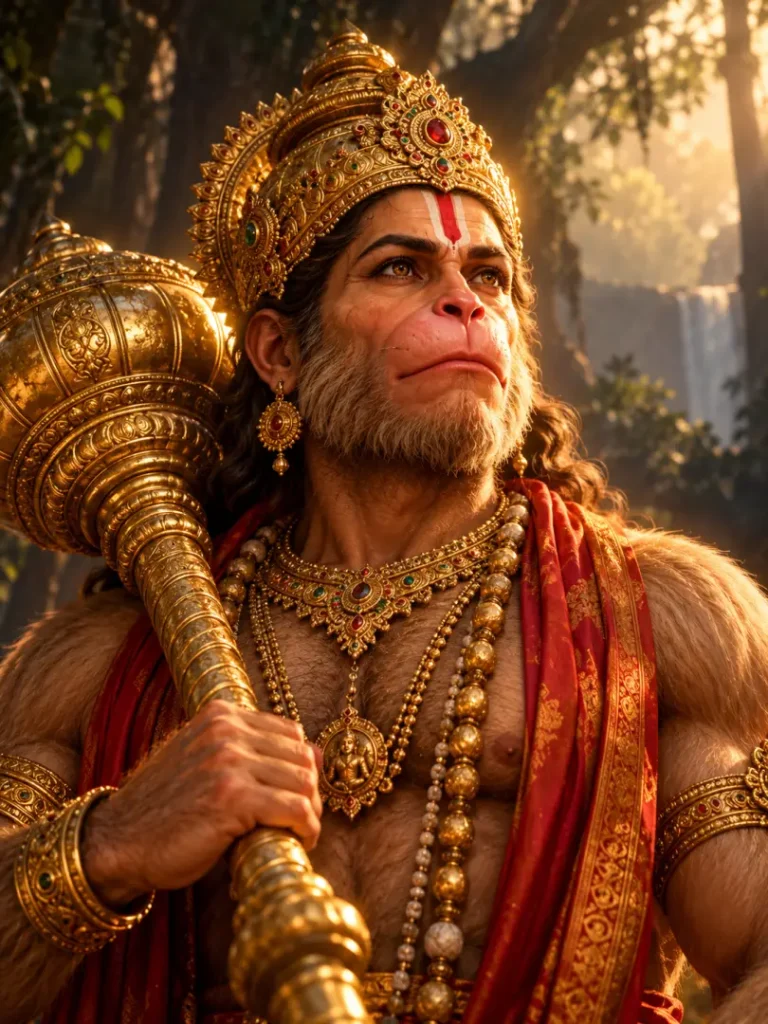
The Shiva Purana and many later traditions hold that Hanuman, the great devotee of Rama, is an avatar of Shiva, the eleventh Rudra, born to Anjana and Kesari through the blessing of the wind god Vayu. In this view Shiva himself came to serve Vishnu in his life as Rama, which is why devotees of both gods honour Hanuman.
Continue exploring
Open the explorerConnected to Shiva
 Avatars & formsHanumanहनुमान
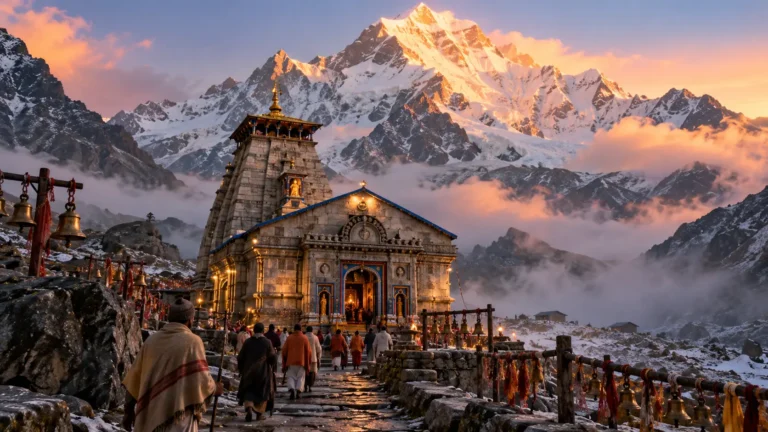 Places & templesKedarnathकेदारनाथ
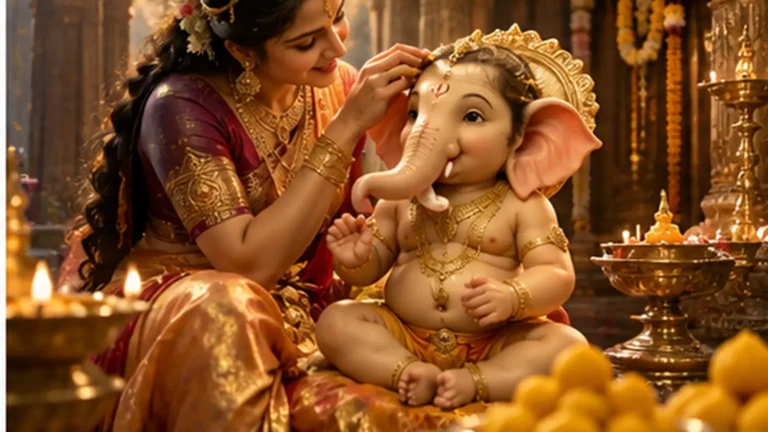 Stories & mythsThe Birth of Ganeshaगणेश का जन्म
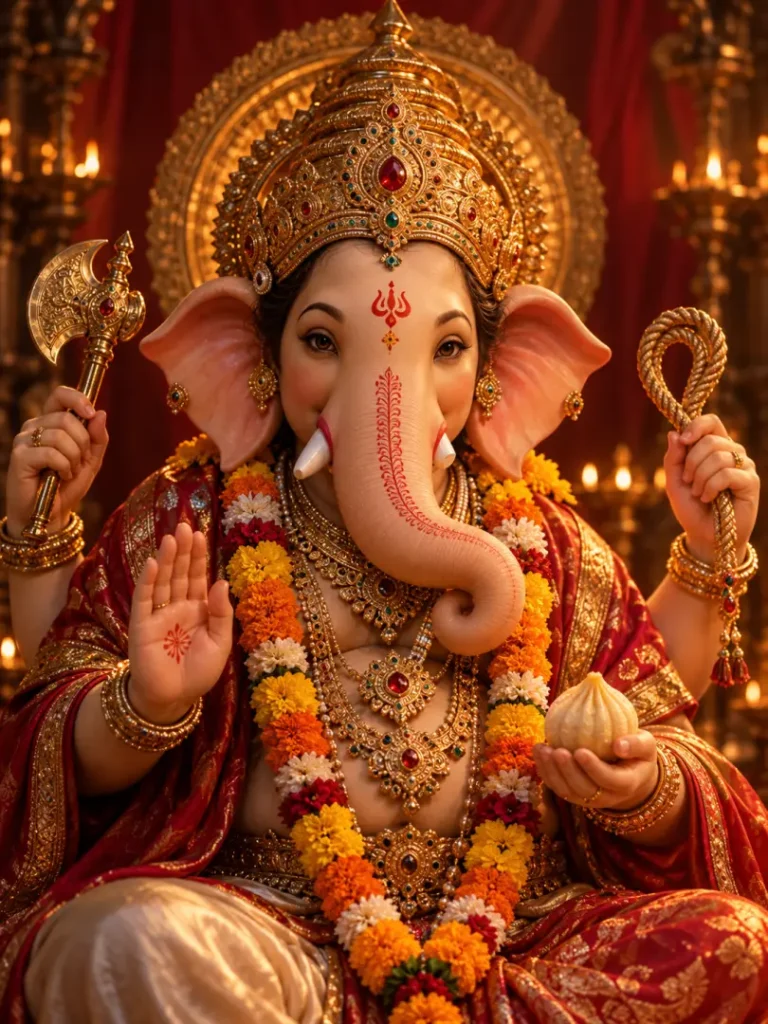 ChildrenGaneshaगणेश
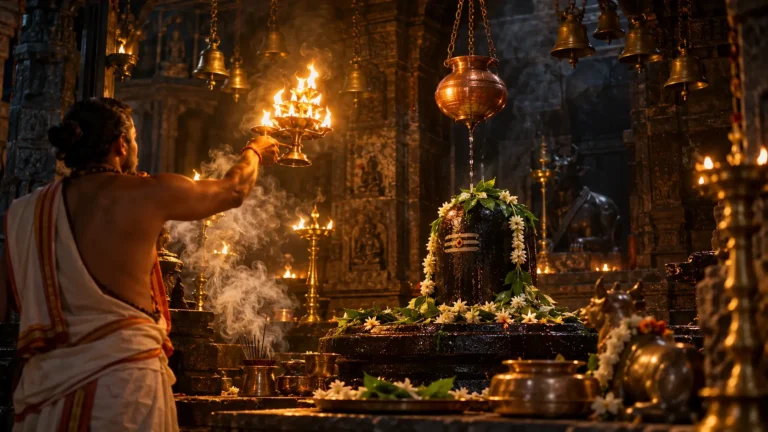 Aartis & mantrasOm Jai Shiv Omkaraॐ जय शिव ओंकारा
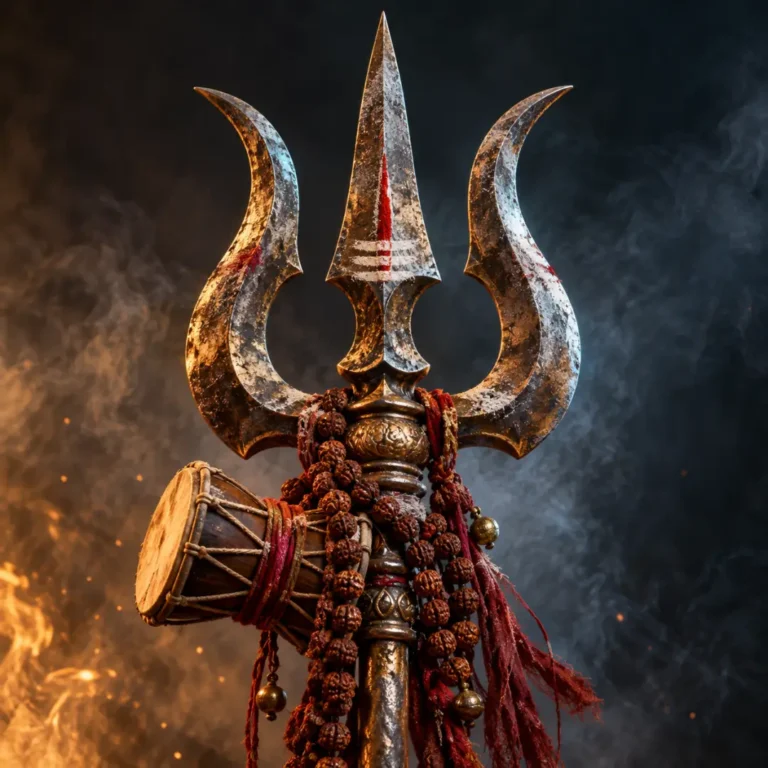 WeaponsTrishulaत्रिशूल
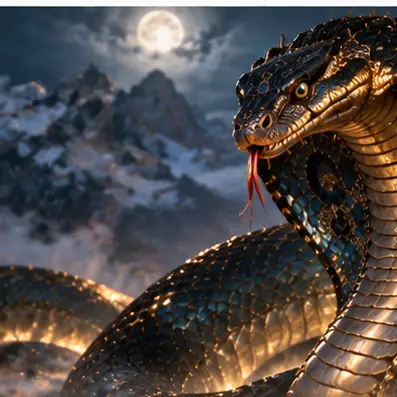 SerpentVasukiवासुकि
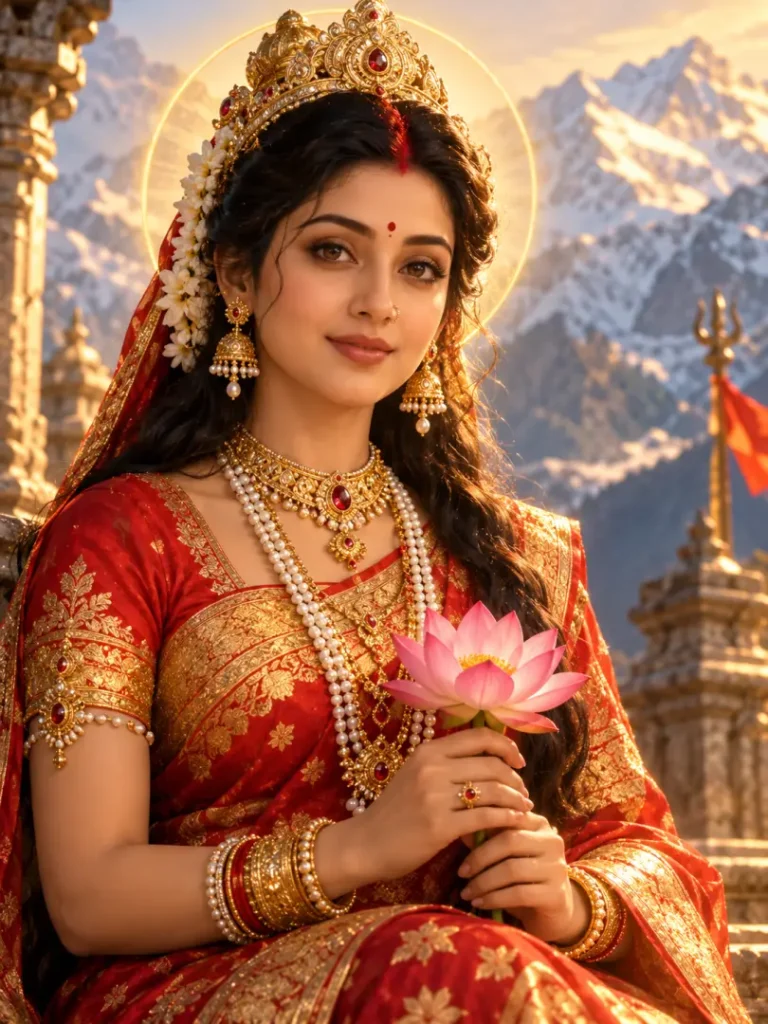 ConsortParvatiपार्वती
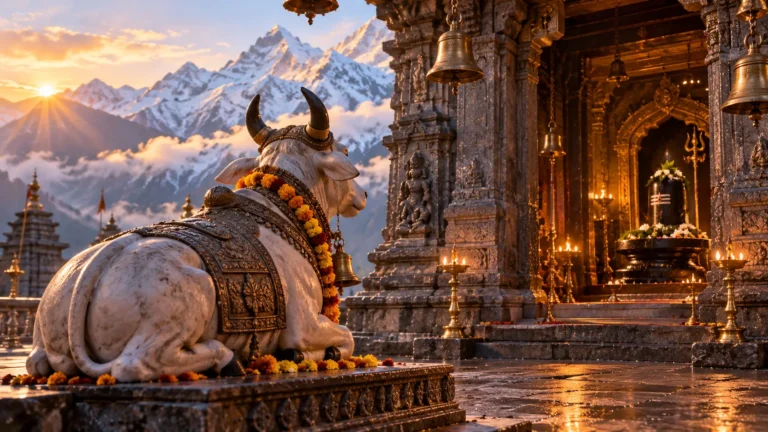 MountNandiनंदी
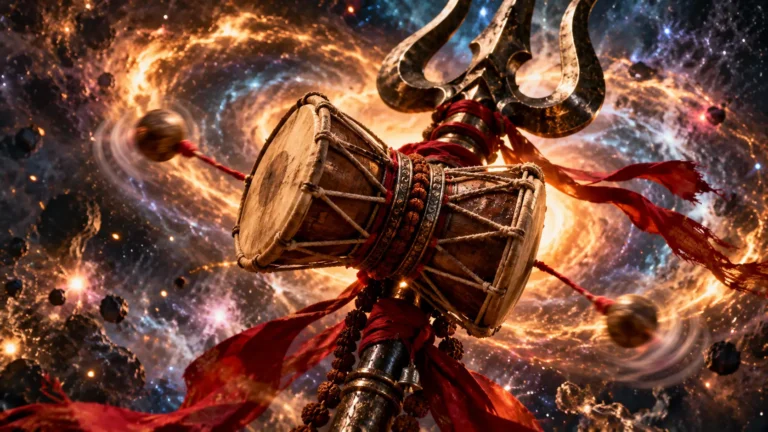 ObjectsDamaruडमरू
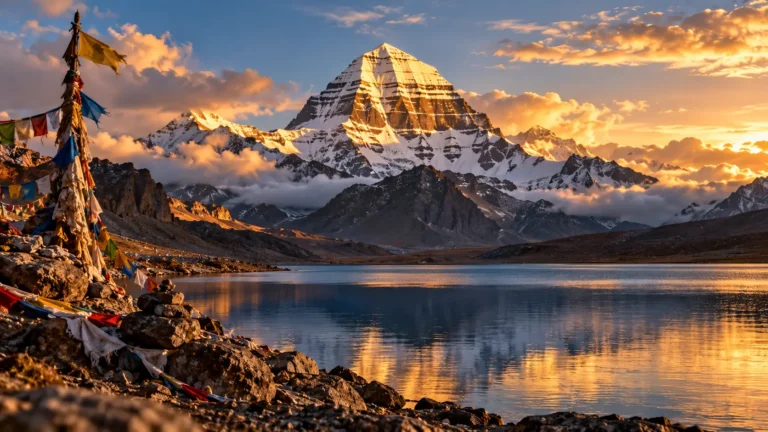 AbodeKailashकैलाश
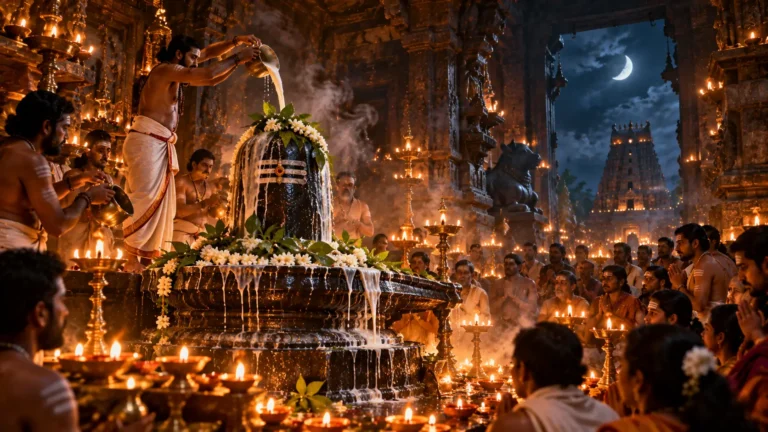 FestivalsMaha Shivaratriमहाशिवरात्रि