Maha Shivaratri
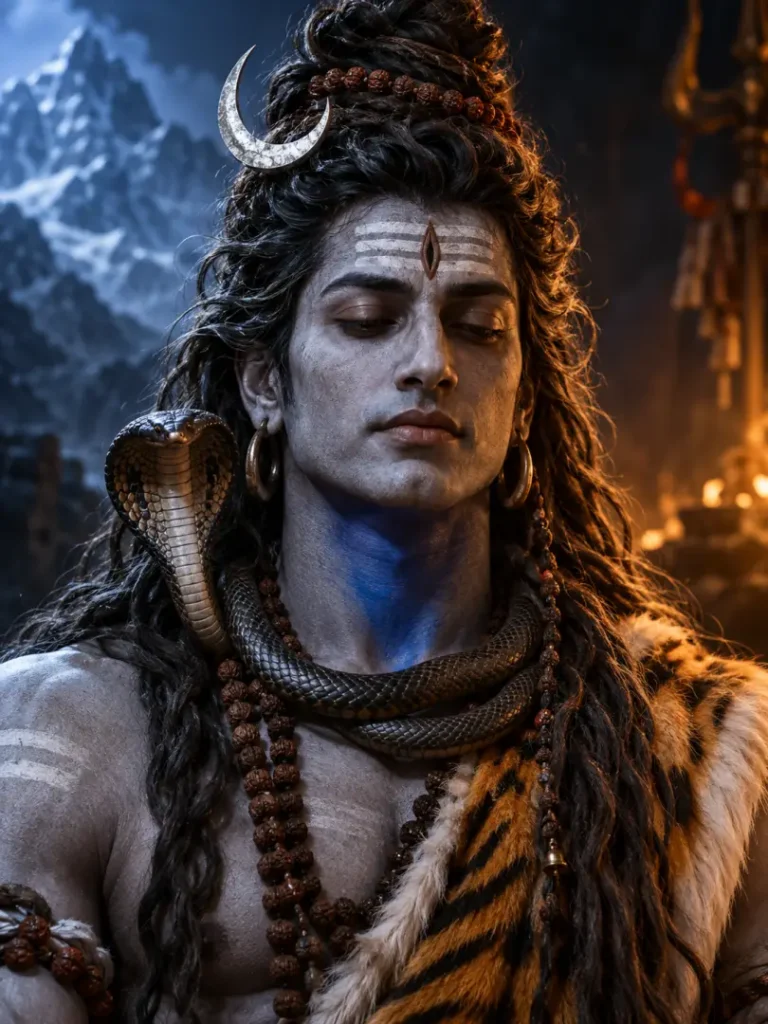
महाशिवरात्रिMaha Shivaratri, "the great night of Shiva", falls on the fourteenth night of the dark fortnight of Phalguna (February or March). Devotees fast, keep vigil all night and bathe the Shiva lingam with milk, water and bilva leaves, remembering Shiva's wedding to Parvati, his cosmic dance and the pillar of light.
Next: Saturday, 6 March 2027
What is it?
Maha Shivaratri is the most important festival of the year for devotees of Shiva. There is a Shivaratri, the fourteenth night of the dark fortnight, in every month, but the one in Phalguna (Magha in the southern amanta calendar), falling in February or March, is the Maha, or great, Shivaratri.
Unlike most Hindu festivals it is celebrated at night and in a mood of quiet devotion rather than revelry: fasting, meditation, the chanting of Om Namah Shivaya, and the worship of the lingam through the four watches of the night.
Why is it celebrated?
The pillar of light. The Shiva Purana tells that Brahma and Vishnu once argued over which of them was greater. Between them appeared an endless pillar of fire. Vishnu, as a boar, dug down to find its root, and Brahma, as a swan, flew up to find its top; neither could reach the end. Then Shiva appeared from the pillar, revealed as the infinite. Maha Shivaratri is the night this Jyotirlinga, the lingam of light, first appeared, and the lingam is worshipped in its memory.
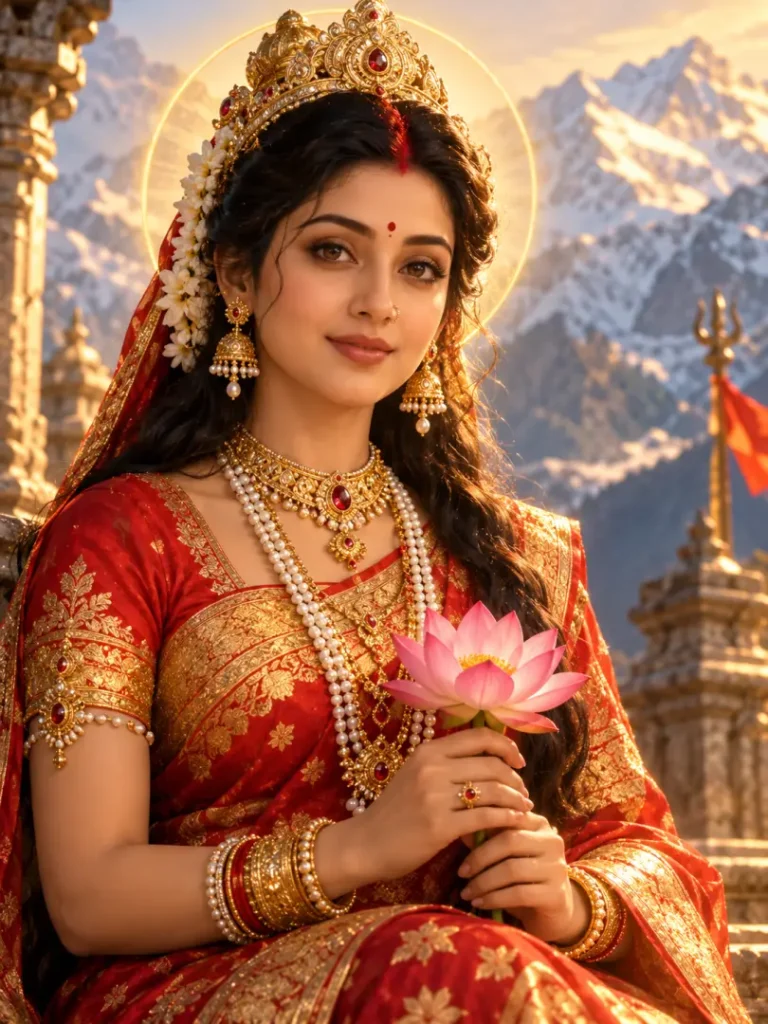
The wedding of Shiva and Parvati. Many traditions hold that this is the night Parvati, after years of penance, was married to Shiva. Temples hold the wedding ceremony, and in Varanasi and Ujjain great wedding processions are taken out.
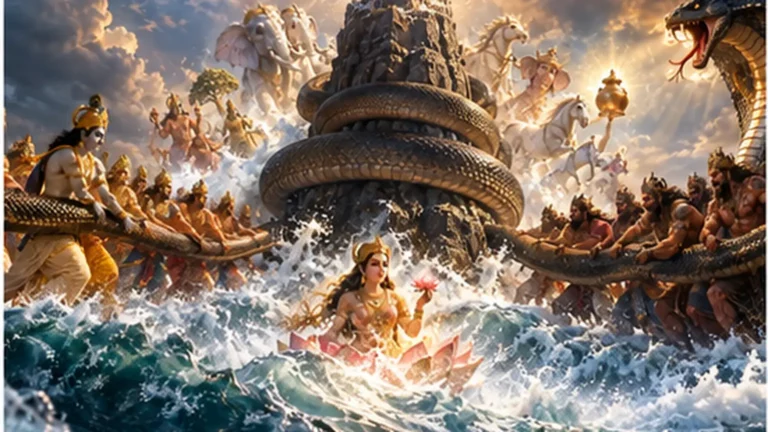
Neelkantha. When the gods and demons churned the ocean, a deadly poison, Halahala, rose first and threatened to destroy the world. Shiva drank it to save creation; Parvati held his throat so it would not go further, and it turned blue. The gods kept him awake all night to keep the poison from harming him, and the vigil of Shivaratri recalls that night.
The Tandava. Some traditions say this is the night of Shiva's cosmic dance of creation, preservation and destruction.
The hunter's accidental worship. The Shiva Purana also tells of a hunter who, lost in the forest on this night, climbed a bilva tree to escape wild animals and stayed awake till dawn, dropping leaves and tears on a lingam below without knowing it. For this unintended worship he was freed from his sins, showing the great merit of the night.
How is it observed?
- 1Wake before dawn, bathe and take a sankalpa to fast and keep vigil through the night.
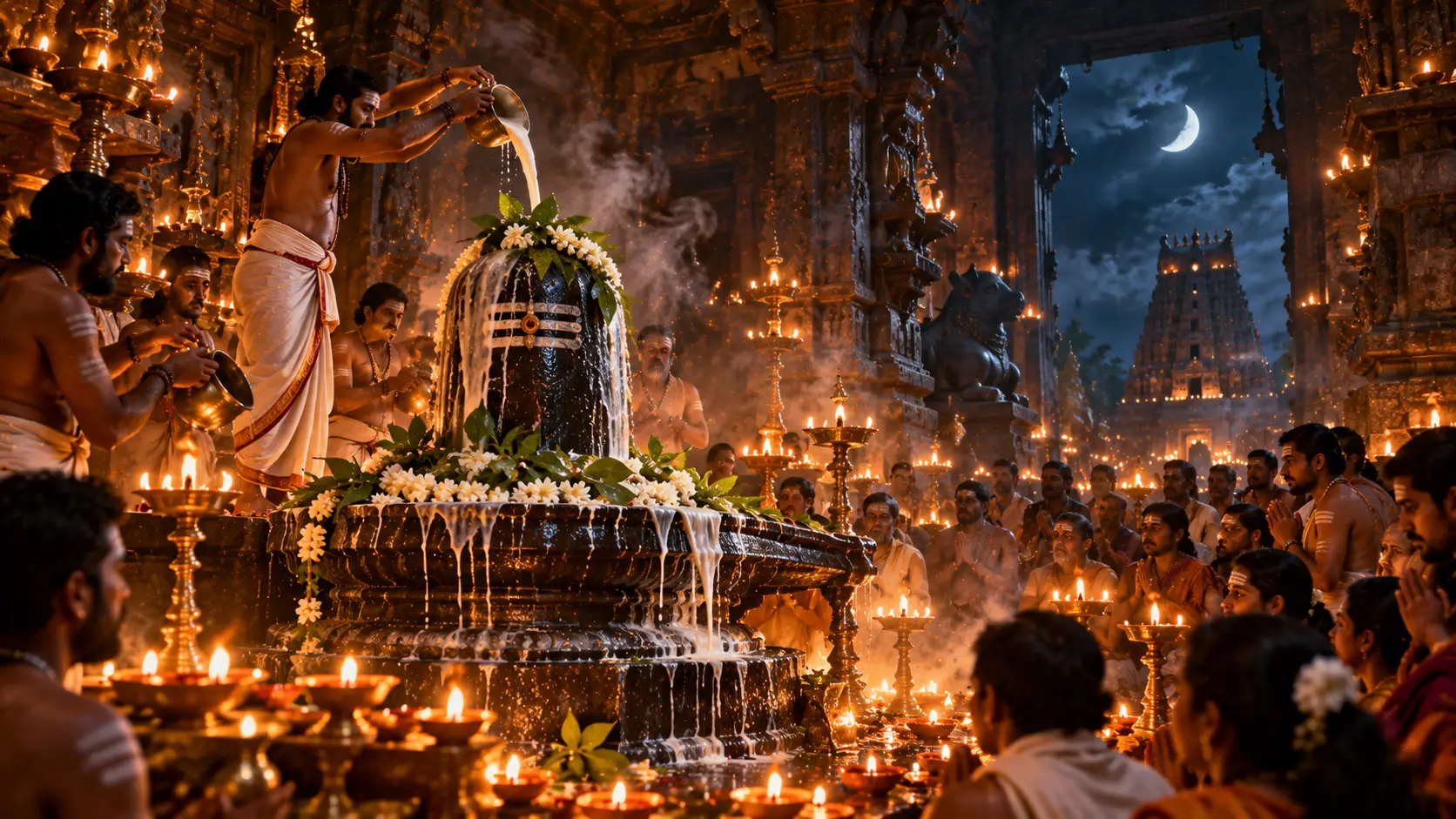
- 2Bathe the Shiva lingam with water or Ganga jal, then with milk, curd, ghee, honey and sugar, and again with water.
- 3Apply sandalwood and vibhuti, and offer bilva leaves in sets of three, dhatura, white flowers and fruits.
- 4Light a ghee lamp and incense, and chant Om Namah Shivaya 108 times or more.
- 5Worship the lingam in each of the four prahars of the night, ideally with a special puja at Nishita Kaal around midnight.
- 6Sing the Om Jai Shiv Omkara aarti, bhajans and the Shiva Chalisa, and listen to the stories of Shiva.
- 7Stay awake until dawn, then break the fast after the morning puja and give food or alms to the needy.
The four prahars of the night
The heart of Maha Shivaratri is the night-long vigil (jagaran). The night is divided into four watches (prahars) of about three hours each, and the lingam is worshipped in each one, often with a different offering:
- First prahar (after sunset): abhisheka with milk.
- Second prahar: with curd.
- Third prahar: with ghee.
- Fourth prahar (before dawn): with honey.
The most auspicious moment is Nishita Kaal, around midnight, when Shiva is said to have appeared as the lingam of light. Temples ring with the chant of Om Namah Shivaya, and devotees recite the Shiva Purana, the Rudrashtakam, the Shiva Mahimna Stotra or the Mahamrityunjaya mantra.
How to do Shivaratri puja at home
- Wake before dawn, bathe (some add sesame seeds to the water) and take a vow (sankalpa) to fast and keep vigil.
- Set up a Shiva lingam, or visit a temple. Bathe the lingam with water or Ganga jal, then panchamrita: milk, curd, ghee, honey and sugar, then water again.
- Apply sandalwood paste and vibhuti (sacred ash), and draw three horizontal lines (tripundra).
- Offer bilva (bel) leaves in sets of three, the leaf most dear to Shiva, with the smooth side facing the lingam, along with dhatura, aak flowers, white flowers, rice and fruits like ber (jujube).
- Light a ghee lamp and incense. Chant Om Namah Shivaya 108 times with a rudraksha mala.
- Sing the Om Jai Shiv Omkara aarti and stay awake through the night with bhajans and stories.
- Break the fast the next morning after a final puja and offering to a Brahmin or the needy (parana).
Fasting rules
Strict devotees keep a nirjala fast, without even water. Most take fruit, milk, nuts and fasting foods such as sabudana khichdi, kuttu, singhara and potatoes with rock salt. Grains, lentils, onion, garlic and ordinary salt are avoided. The elderly, the sick, and pregnant women are not expected to fast strictly.
Where Maha Shivaratri is celebrated
- The twelve Jyotirlingas, including Kedarnath (closed in winter, where the date of reopening is announced on Shivaratri), Kashi Vishwanath in Varanasi, where Shiva’s wedding procession (Shiv Baraat) winds through the city, Mahakaleshwar in Ujjain, Somnath and Rameswaram.
- Pashupatinath, Kathmandu: hundreds of thousands of pilgrims and sadhus gather; Shivaratri is a national holiday in Nepal.
- Mandi, Himachal Pradesh: the International Shivaratri Fair, a week-long gathering of the local deities around the god Madho Rai.
- Junagadh, Gujarat: the Bhavnath fair at the foot of Mount Girnar, where Naga sadhus bathe in the Mrigi Kund.
- Srisailam and Kalahasti in Andhra Pradesh, where the Brahmotsavam festivals are held.
- Kashmir: Kashmiri Pandits celebrate it as Herath, worshipping a pot of water as Shiva and Parvati.
- Mauritius: devotees walk to the crater lake of Ganga Talao (Grand Bassin), one of the largest Hindu pilgrimages outside India.
The story behind it
Aartis for the day
Frequently asked questions
When is Maha Shivaratri in 2027?
Why is Maha Shivaratri celebrated?
What is the difference between Shivaratri and Maha Shivaratri?
What should I offer to Shiva on Shivaratri?
Can I drink water during the Shivaratri fast?
Why do we stay awake on Shivaratri?
What is Nishita Kaal?
Sources
- Shiva Purana, Vidyeshvara Samhita and Koti Rudra Samhita
- Linga Purana (the pillar of light)
- Garuda Purana and Skanda Purana (Shivaratri vrata)
- Wikipedia: Maha Shivaratri
- hindu-blog.com, Hindu Festivals 2027 Calendar
Read our editorial policy on how scripture, Purana and folk tradition are labelled.