Kartikeya
कार्तिकेयGod of war and wisdom; commander of the army of the gods. Also called Skanda, Murugan, Kumara, Subrahmanya, Shanmukha, Saravanabhava, Guha.
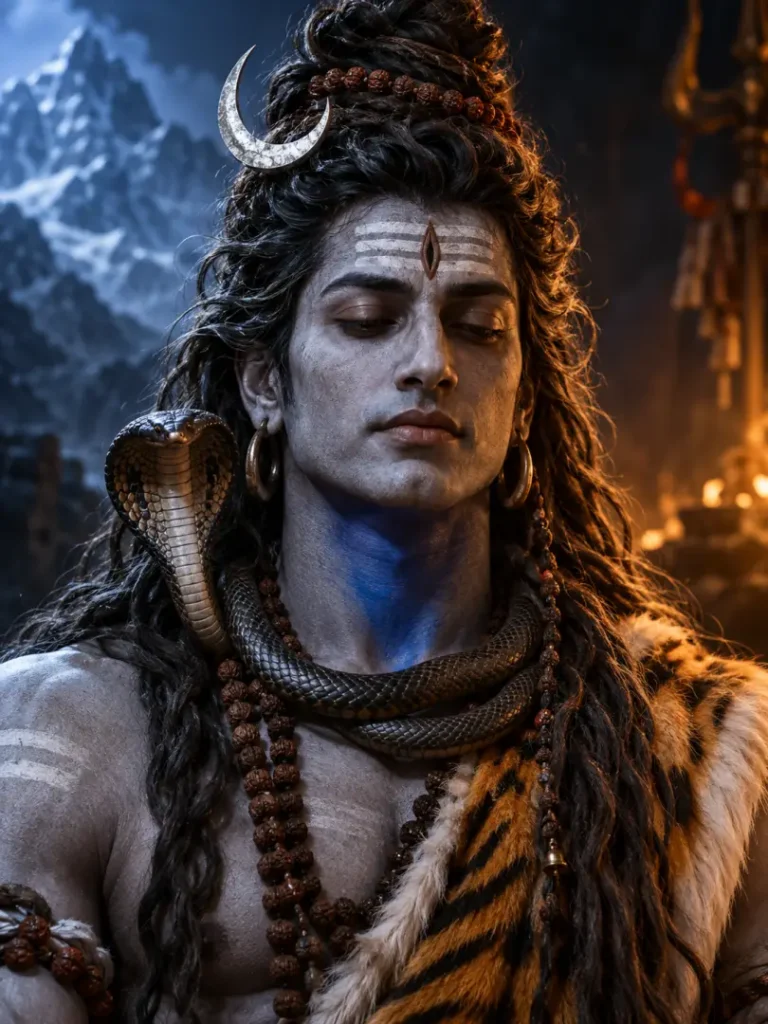
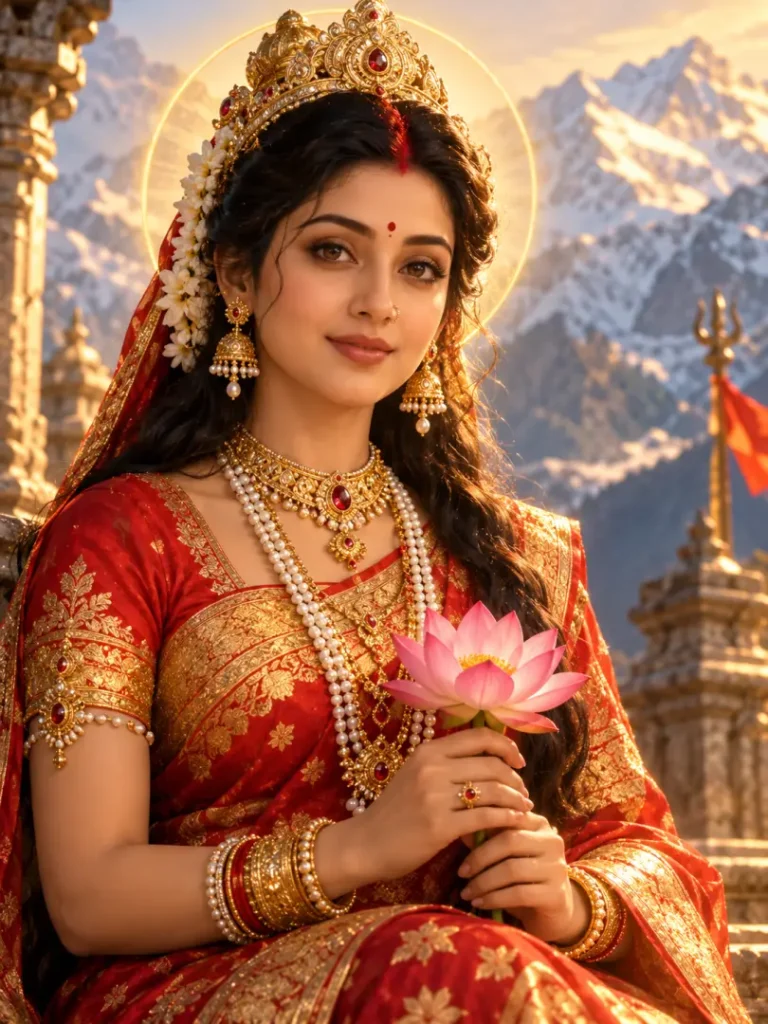
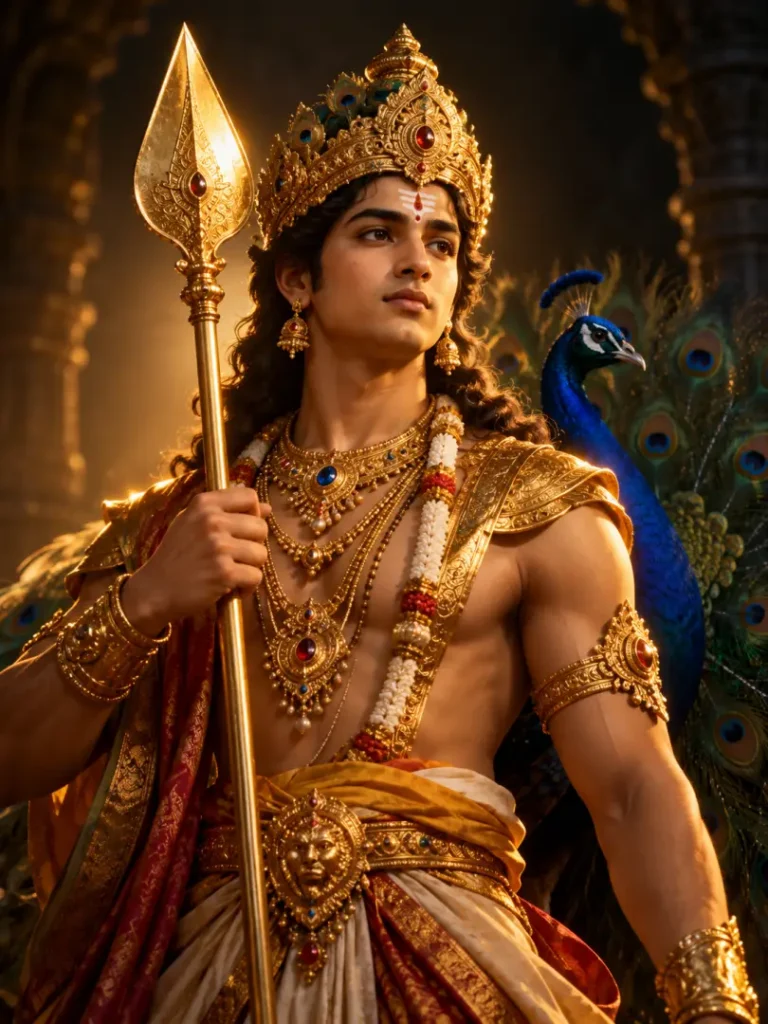
Kartikeya, also called Skanda and Murugan, is the six-faced son of Shiva and Parvati and the commander of the gods' army. Born to destroy the demon Taraka and nursed by the six Krittikas, he rides a peacock and carries the spear Vel. He is the most beloved god of Tamil Nadu.
Who is Kartikeya?
Kartikeya (कार्तिकेय), also known as Skanda, Kumara, Subrahmanya and, in Tamil, Murugan, is the son of Shiva and Parvati and the commander of the army of the gods. He was born to defeat the demon Taraka, and he is worshipped as a young warrior with six faces who rides a peacock and carries a divine spear, the Vel.
How was Kartikeya born?
The demon Tarakasura had won a boon that he could be killed only by a son of Shiva, and he ravaged the worlds while Shiva sat in meditation. After Parvati’s penance and her marriage to Shiva, the fiery energy of Shiva was too powerful for anyone to hold. The god of fire, Agni, carried it, then gave it to the river Ganga, who left it in a forest of reeds, the Sharavana. There a child was born and was nursed by the six Krittikas, the stars of the Pleiades. To drink from all six at once he grew six faces, and so he is called Shanmukha, the six-faced, and Kartikeya, the son of the Krittikas. The story is told in the Shiva Purana, the Skanda Purana and Kalidasa’s Kumarasambhava.
The defeat of Taraka and Surapadma
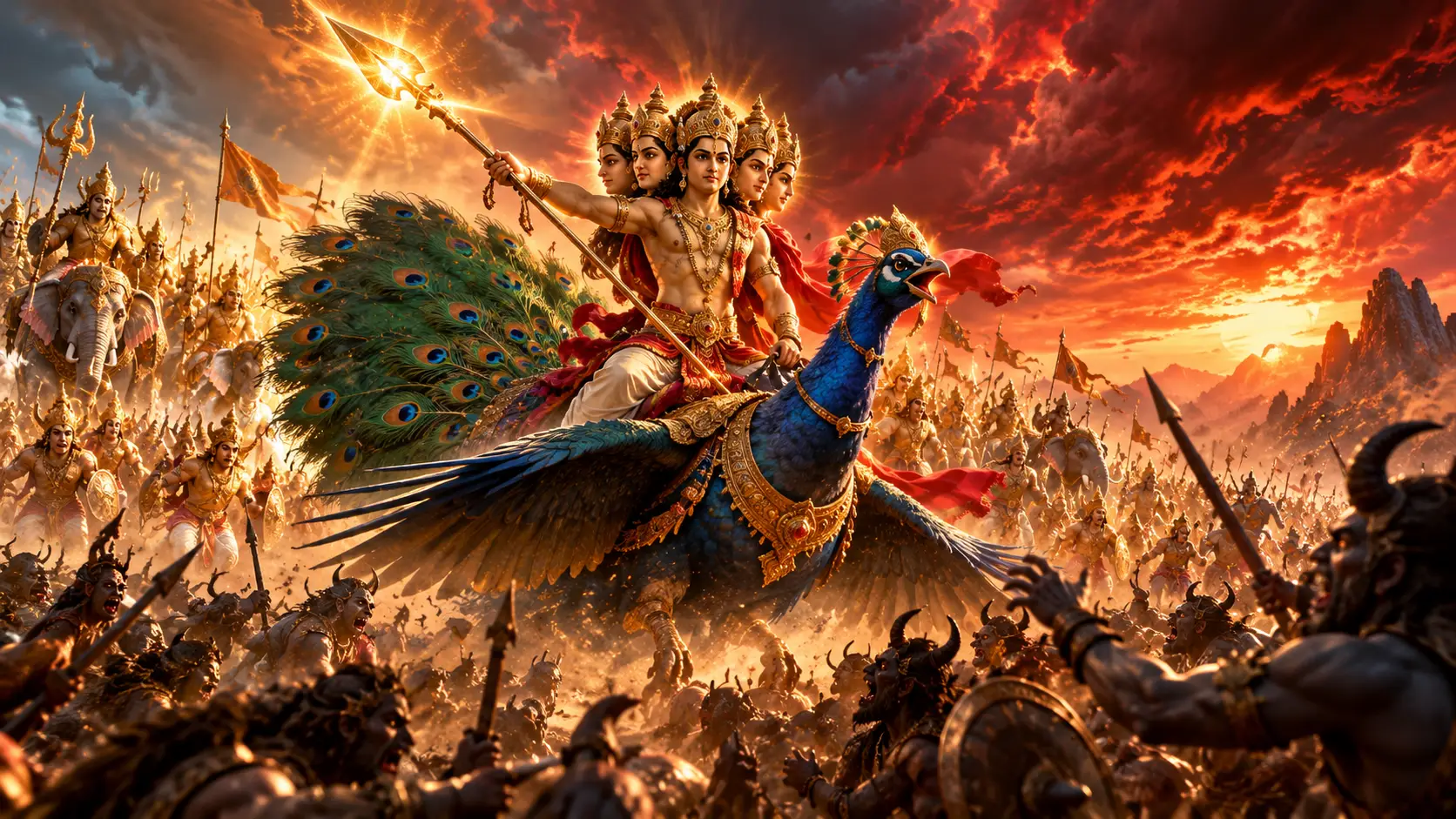
Made general of the gods’ army, the young Kartikeya killed Taraka in battle. In the Tamil tradition, the great enemy is the demon Surapadma, whom Murugan defeats at Tiruchendur on the sea shore with the Vel given to him by Parvati. Split in two, the demon becomes a peacock and a rooster: the peacock becomes Murugan’s mount and the rooster the emblem on his banner. This victory is celebrated every year as Skanda Shashti.
The fruit of wisdom
A well-loved story tells how the sage Narada brought a single mango, the fruit of wisdom, to Shiva and Parvati. They promised it to whichever son first went around the world. Kartikeya set off on his peacock; Ganesha simply walked around his parents, saying they were his world, and won the fruit. Kartikeya, hurt, went away to the hill of Palani, where he stands as a renunciant, and Shiva and Parvati came to tell him that he himself was the fruit, pazham nee, which tradition says gave the hill its name.
Murugan in Tamil Nadu
Murugan is the most beloved god of the Tamil people, praised in the Sangam literature as the god of the hills. His six great shrines, the Arupadai Veedu, are Thiruparankundram, Tiruchendur, Palani, Swamimalai, Tiruttani and Pazhamudircholai. At Swamimalai, it is said, the young Murugan taught the meaning of Om to his own father Shiva. His consorts in South India are Devasena (also called Deivanai), daughter of Indra, and Valli, a girl of the hill tribes. In North India he is more often worshipped as a celibate youth.
How is Kartikeya worshipped?
His festivals include Skanda Shashti in Kartika, Thaipusam in the Tamil month of Thai, when devotees carry the kavadi in procession (famous also at Batu Caves in Malaysia), and Vaikasi Visakam, his birthday. The mantra Om Saravanabhava and the hymn Kanda Shashti Kavasam are widely recited.