Quick answer
From the Lakshmana Rekha to the floating stones, many famous Ramayana details are not in Valmiki. Ten facts from the original epic that most people get wrong.
Who is in this story
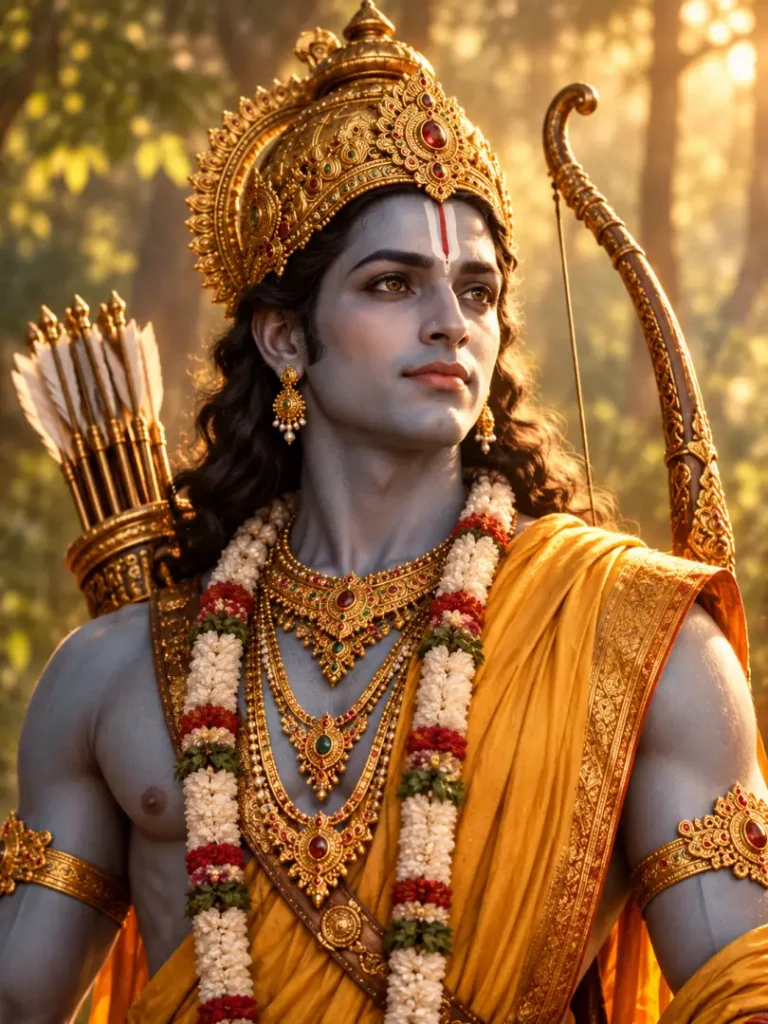

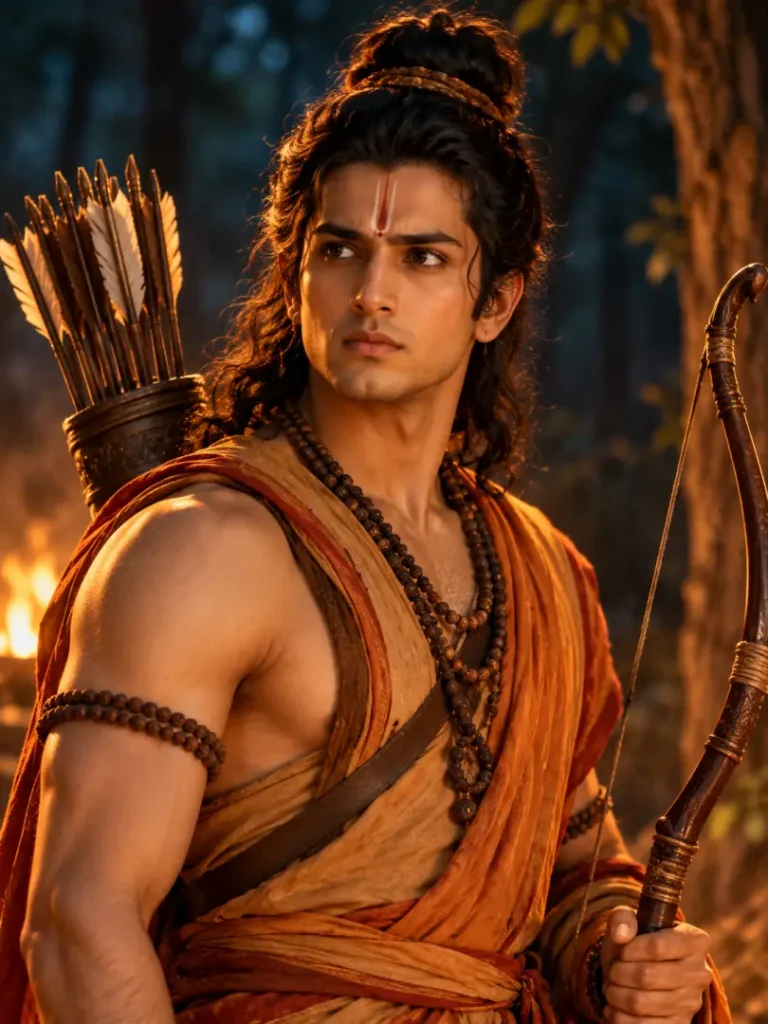
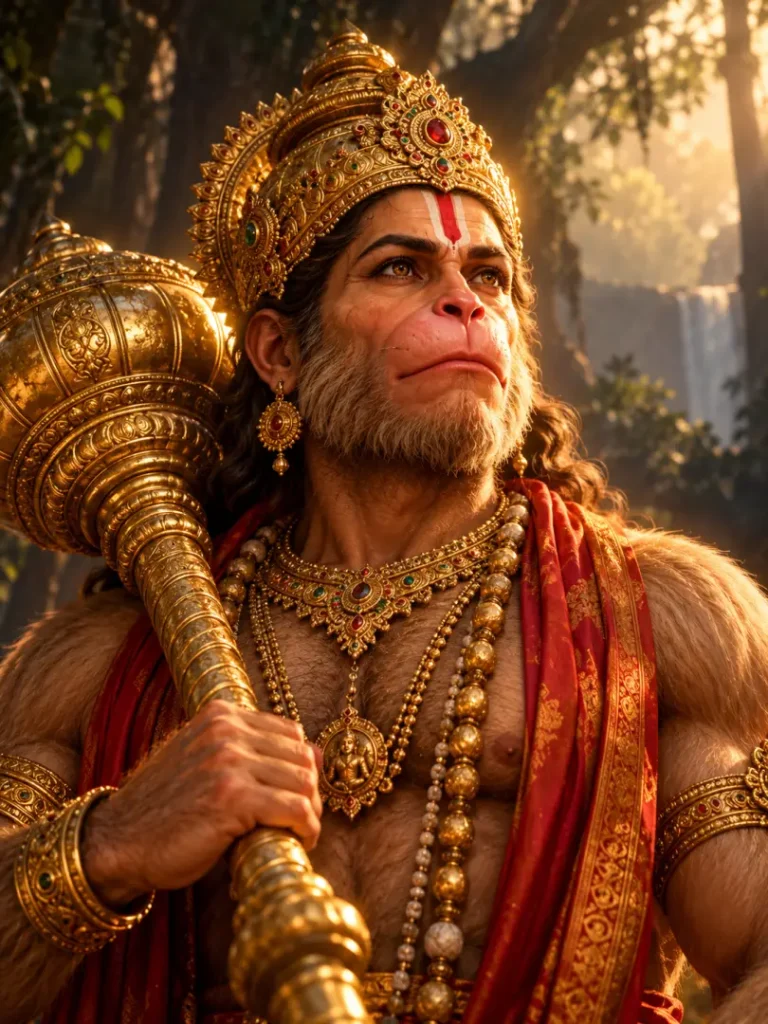
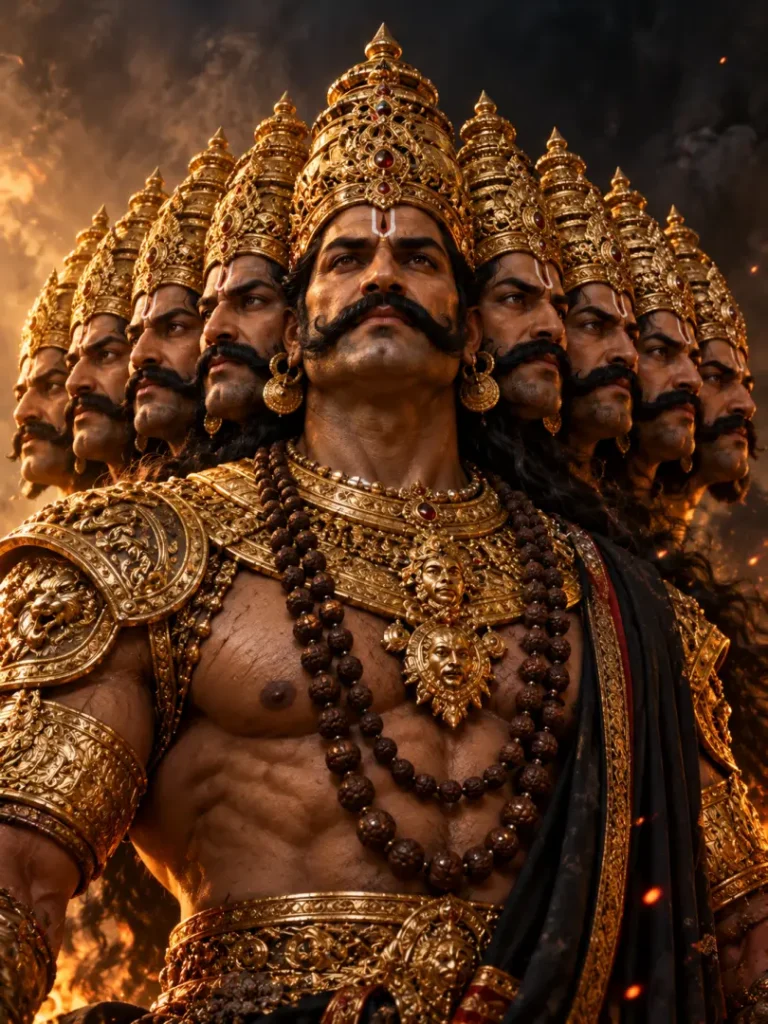
The story
With the Ramayana back on the big screen, millions of people are revisiting the story of Rama, Sita and Ravana. But much of what we “know” about the Ramayana comes from television serials, later retellings and folk tradition, not from the oldest surviving version, the Sanskrit epic attributed to the sage Valmiki. Here are ten facts from the Valmiki Ramayana that most people get wrong, with what the text actually says.
1. The Lakshmana Rekha is not in the Valmiki Ramayana
The famous line Lakshmana draws around the hut before leaving Sita does not appear in the Valmiki Ramayana. In Valmiki’s Aranya Kanda, Lakshmana leaves only after Sita speaks harshly to him, and he simply entrusts her to the forest deities. The “rekha” comes from later retellings and became popular through regional versions and television.
2. In Valmiki, Ravana does seize Sita
Many people believe Ravana lifted Sita together with the ground she stood on so as not to touch her. That detail belongs to later traditions. In Valmiki’s account, Ravana seizes Sita and carries her up into the sky in his golden chariot. The epic does not soften the violence of the abduction. The flying chariot Pushpaka belongs to a later part of the story, in Lanka and on Rama’s return.
3. Rama was the only one exiled
Kaikeyi asked for fourteen years of exile for Rama alone. Sita and Lakshmana insisted on going with him, and Sita argued her case at length in the Ayodhya Kanda before Rama agreed.
4. Hanuman is a vanara scholar in the epic
Hanuman is a vanara, a forest-dwelling people the epic describes with monkey-like features, and he serves Sugriva as a minister. His worship as a deity grew over later centuries. Valmiki praises him as learned in grammar and the Vedas, a detail Rama himself notes at their first meeting.
5. The bridge to Lanka was built by Nala
The setu across the ocean is credited in Valmiki to Nala, a vanara engineer and son of Vishwakarma, who directs the army in building it with rocks and trees in five days. The idea that stones floated because Rama’s name was written on them comes from later devotional retellings.
6. Ravana had ten heads, and real greatness too
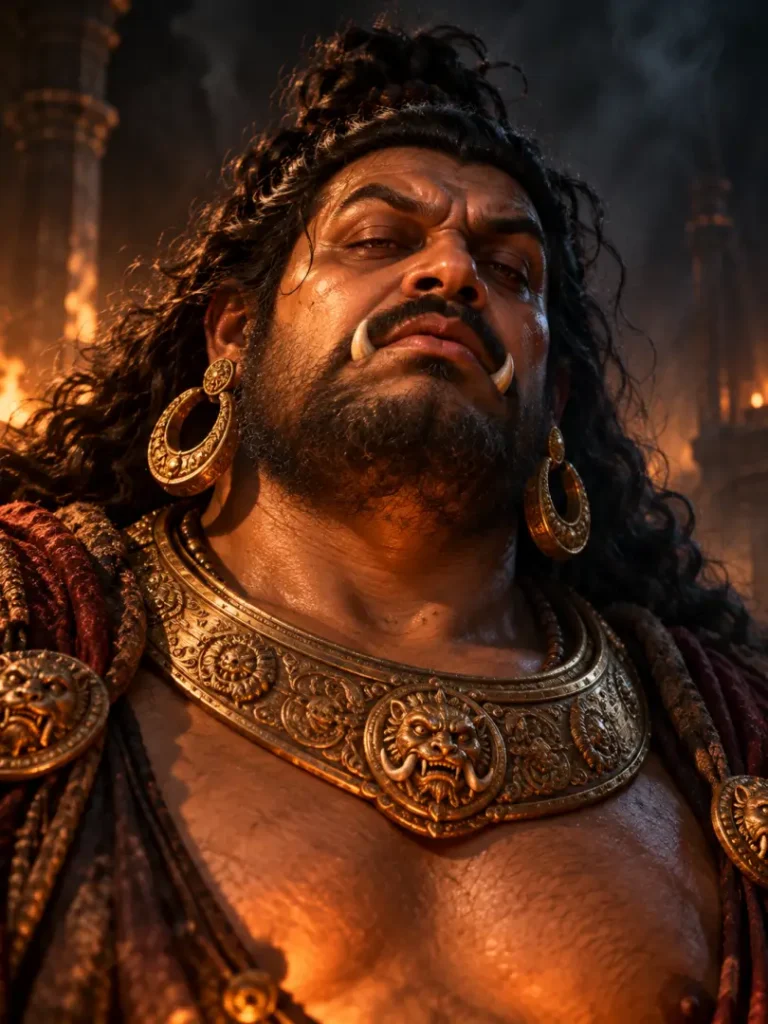
Valmiki describes Ravana’s ten heads and twenty arms, and also his learning, his devotion to Shiva and the boon from Brahma that made him nearly invincible to gods and demons. The epic presents him as a mighty, cultured king brought down by desire and pride, not a cartoon villain.
7. Kumbhakarna slept because of a boon gone wrong
Ravana’s giant brother asked Brahma for a boon, but tradition holds that the goddess Saraswati twisted his words, so instead of asking for “Indrasana” (Indra’s throne) he asked for “nidrasana” (sleep). In Valmiki, he wakes only briefly and even advises Ravana to return Sita before fighting for him out of loyalty.
8. Vibhishana was not the only one to warn Ravana
Ravana’s grandfather Malyavan, his wife Mandodari and Kumbhakarna all urged him to return Sita. Vibhishana’s warning became famous because Ravana insulted and expelled him, after which he crossed over to Rama.
9. The Uttara Kanda is debated
Episodes such as Sita’s banishment and the birth of Lava and Kusha appear in the Uttara Kanda, the seventh and final book. Many scholars consider it a later addition to the core epic, while others accept it as part of the tradition. Both views exist, and knowing this helps when comparing versions.
10. There is no single Ramayana
Valmiki’s is the oldest, but Tulsidas’s Awadhi Ramcharitmanas, Kamban’s Tamil Ramavataram, Krittivasi’s Bengali Ramayana and dozens of Southeast Asian versions tell the story differently. Films usually blend several. When a detail surprises you, it is worth asking which Ramayana it came from.
Read the Ramayana facts in the original
The best way to separate the epic from its retellings is to read it. Start with our guide to the real story behind the film and the Ramayana characters explained, then explore the Valmiki Ramayana kanda by kanda.
Frequently asked questions
Is the Lakshmana Rekha in the Valmiki Ramayana?
Who built the bridge to Lanka in the Ramayana?
Is the Uttara Kanda part of the original Ramayana?
Sources and further reading
Read our editorial policy on how scripture, Purana and folk tradition are labelled.