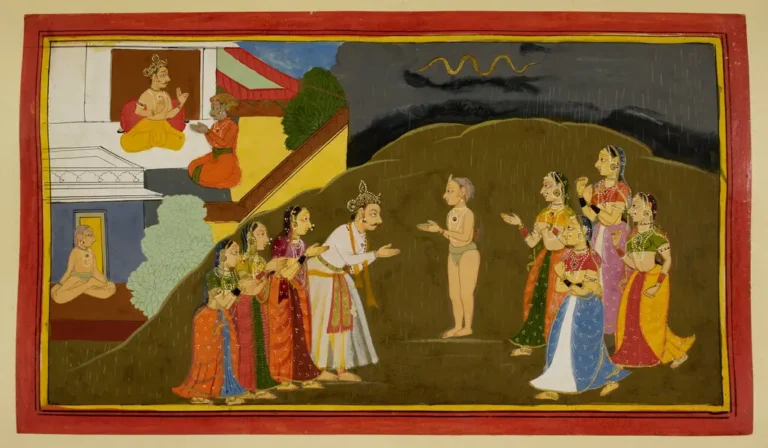
मेथावी तु ततो ध्यात्वा स किञ्चिदिदमुत्तरम् ।
methāvī tu tato dhyātvā sa kiñcididamuttaram |
हिंदी अर्थ वेदज्ञ और मेधावी मुनि ने कुछ देर ध्यान किया, और निश्चय पर पहुँचकर राजा से कहा:
English meaning The wise sage, learned in the Vedas, meditated for a while, and having come to a decision he said to the king:
इष्टिं तेऽहं करिष्यामि पुत्रीयां पुत्रकारणात् ।
iṣṭiṃ te'haṃ kariṣyāmi putrīyāṃ putrakāraṇāt |
हिंदी अर्थ पुत्र के लिए मैं आपके लिए पुत्रीया इष्टि करूँगा, जो अथर्वशिरस में कहे मंत्रों से विधिपूर्वक सिद्ध होती है।
English meaning For the sake of a son I shall perform for you the Putriya rite, made effective by the mantras declared in the Atharvashiras, as laid down.
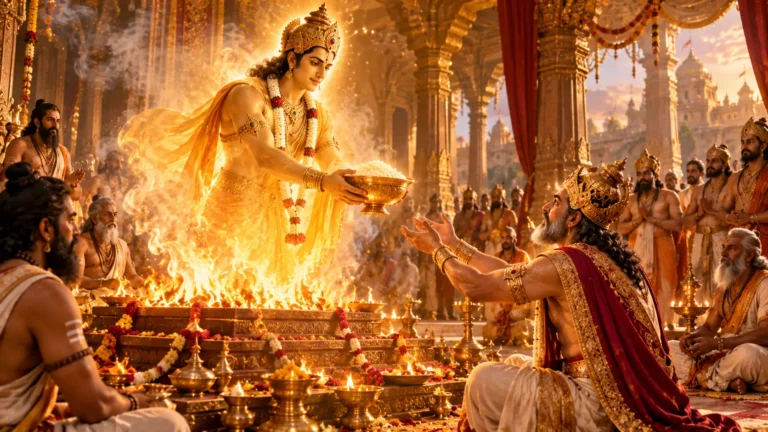
ततः प्राक्रमदिष्टिं तां पुत्रीयां पुत्रकारणात् ।
tataḥ prākramadiṣṭiṃ tāṃ putrīyāṃ putrakāraṇāt |
हिंदी अर्थ फिर तेजस्वी मुनि ने पुत्र के लिए पुत्रीया इष्टि आरंभ की, और मंत्रों में बताई विधि से अग्नि में आहुतियाँ दीं।
English meaning Then the radiant sage began the Putriya rite for a son, and made offerings into the fire by the method the mantras reveal.
ततो देवास्सगन्धर्वास्सिद्धाश्च परमर्षयः ।
tato devāssagandharvāssiddhāśca paramarṣayaḥ |
हिंदी अर्थ तब गंधर्वों, सिद्धों और महर्षियों के साथ देवता अपना भाग लेने के लिए विधिपूर्वक एकत्र हुए।
English meaning Then the gods, with the gandharvas, siddhas and great sages, gathered as is proper to receive their shares.
तास्समेत्य यथान्यायं तस्मिन्सदसि देवताः ।
tāssametya yathānyāyaṃ tasminsadasi devatāḥ |
हिंदी अर्थ उस सभा में यथाक्रम एकत्र होकर देवताओं ने लोकों के रचयिता ब्रह्मा से महत्वपूर्ण वचन कहे।
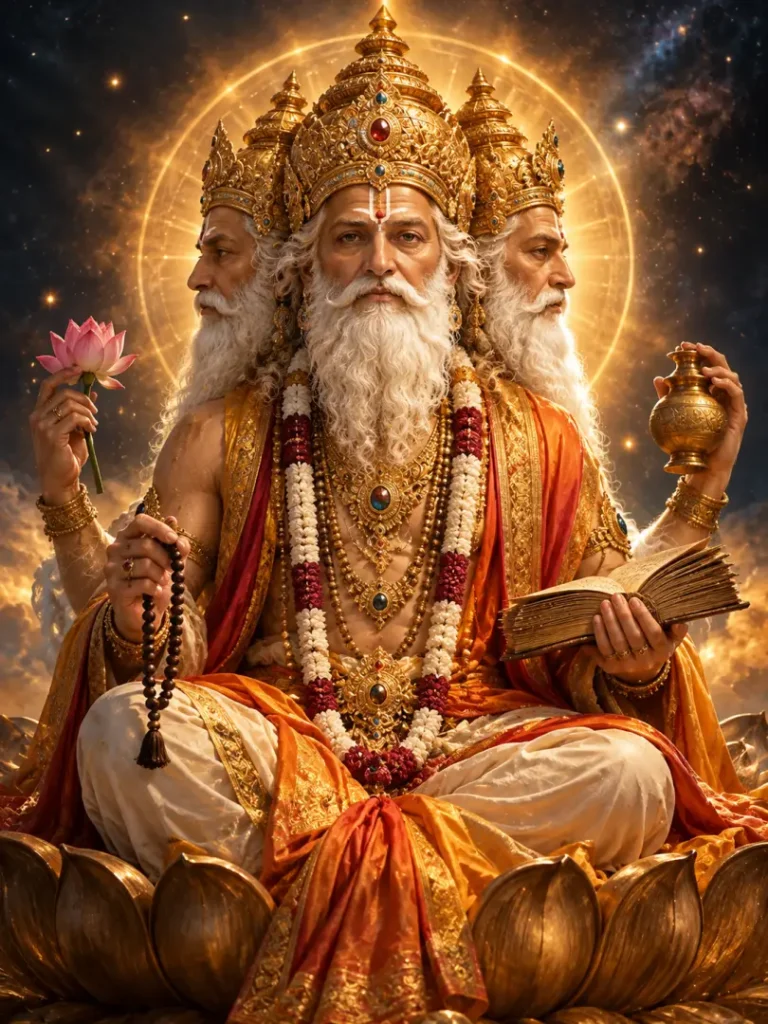
English meaning Gathered in that assembly in due order, the gods spoke weighty words to Brahma, the maker of the worlds.
भगवन्त्वत्प्रसादेन रावणो नाम राक्षसः ।
bhagavantvatprasādena rāvaṇo nāma rākṣasaḥ |
हिंदी अर्थ हे भगवन, आपकी कृपा से रावण नाम का एक राक्षस अपने बल से हम सबको पीड़ित करता है, और हम उसे रोक नहीं पाते।
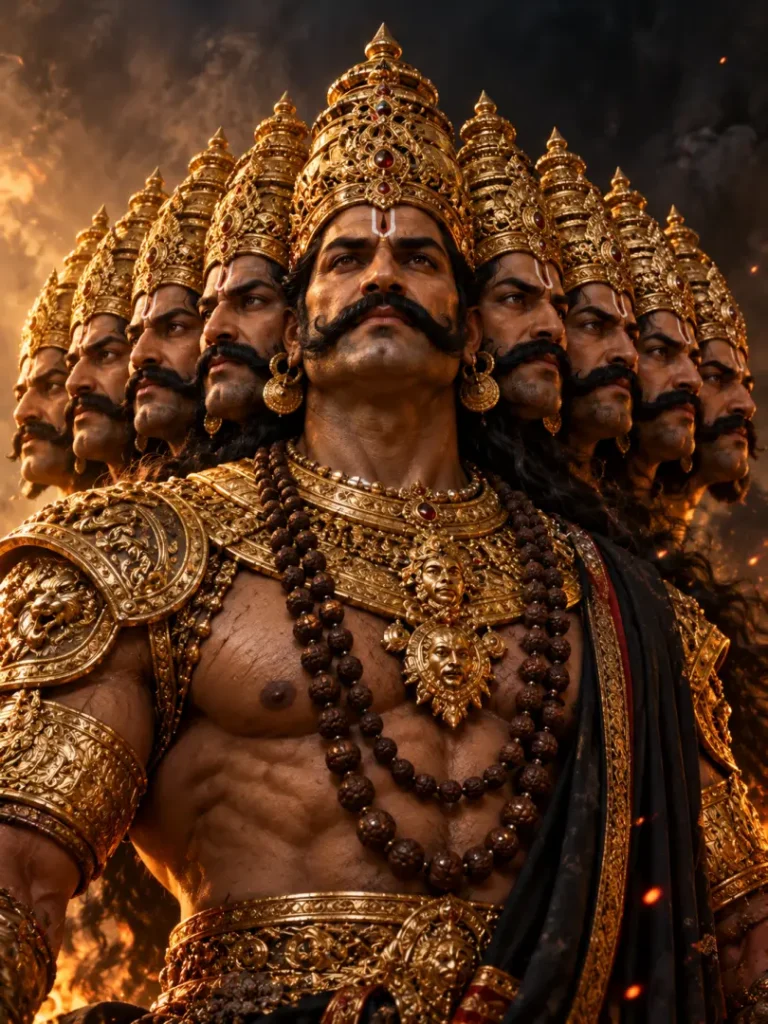
English meaning Lord, through your grace a rakshasa named Ravana oppresses us all with his might, and we cannot restrain him.
त्वया तस्मै वरो दत्तः प्रीतेन भगवन्पुरा ।
tvayā tasmai varo dattaḥ prītena bhagavanpurā |
हिंदी अर्थ हे भगवन, आपने प्रसन्न होकर उसे पहले वर दिया था, और उसका मान रखते हुए हम उसका सब कुछ सहते रहते हैं।
English meaning Lord, you once granted him a boon in your pleasure, and honouring that, we always bear everything from him.
उद्वेजयति लोकान्स्तीनुच्छ्रितान्द्वेष्टि दुर्मतिः ।
udvejayati lokānstīnucchritāndveṣṭi durmatiḥ |
हिंदी अर्थ वह दुर्बुद्धि तीनों लोकों को त्रस्त करता है और ऊँचे पद वालों से द्वेष करता है। वह देवराज इंद्र को भी हराना चाहता है।
English meaning The wicked one torments the three worlds and hates all who stand high. He wants to overpower Shakra, king of the gods.
ऋषीन्यक्षान्सगन्धर्वानसुरान्ब्राह्मणांस्तथा ।
ṛṣīnyakṣānsagandharvānasurānbrāhmaṇāṃstathā |
हिंदी अर्थ वर से मोहित होकर वह अजेय राक्षस ऋषियों, यक्षों, गंधर्वों, असुरों और ब्राह्मणों का अपमान करता है।
English meaning Invincible and deluded by the boon, he oversteps sages, yakshas, gandharvas, asuras and brahmins alike.
नैनं सूर्यः प्रतपति पार्श्वे वाति न मारुतः ।
nainaṃ sūryaḥ pratapati pārśve vāti na mārutaḥ |
हिंदी अर्थ सूर्य उसे तपाता नहीं, हवा उसके पास तेज नहीं बहती, और लहरों वाला समुद्र भी उसे देखकर काँपता नहीं।
English meaning The sun does not scorch him, the wind does not blow hard beside him, and the ocean with its rolling waves grows still on seeing him.
तन्महन्नो भयं तस्माद्राक्षसाद्घोरदर्शनात् ।
tanmahanno bhayaṃ tasmādrākṣasādghoradarśanāt |
हिंदी अर्थ उस भयानक रूप वाले राक्षस से हमें बड़ा भय है। हे भगवन, उसके वध का कोई उपाय कीजिए।
English meaning Great is our fear of that rakshasa of terrible form. Lord, you must devise a way to kill him.
एवमुक्तस्सुरैस्सर्वैश्चिन्तयित्वा ततोऽब्रवीत् ।
evamuktassuraissarvaiścintayitvā tato'bravīt |
हिंदी अर्थ सब देवताओं के ऐसा कहने पर ब्रह्मा ने विचार किया और कहा: उस दुष्ट के वध का उपाय ज्ञात है।
English meaning Addressed in this way by all the gods, Brahma thought and then said: There is indeed a known way to kill that wicked one.
तेन गन्धर्वयक्षाणां देवदानवरक्षसाम् ।
tena gandharvayakṣāṇāṃ devadānavarakṣasām |
हिंदी अर्थ उसने माँगा था कि गंधर्व, यक्ष, देव, दानव और राक्षस उसे न मार सकें, और मैंने कहा था: ऐसा ही हो।
English meaning He asked that he might not be slain by gandharvas, yakshas, gods, danavas or rakshasas, and I said: So be it.
नाकीर्तयदवज्ञानात्तद्रक्षो मानुषान् प्रति ।
nākīrtayadavajñānāttadrakṣo mānuṣān prati |
हिंदी अर्थ घृणा के कारण उस राक्षस ने मनुष्यों का नाम नहीं लिया। इसलिए वह मनुष्य के हाथों मारा जा सकता है; उसकी और कोई मृत्यु नहीं।
English meaning Out of contempt that rakshasa did not name human beings. So he can be killed by a man; no other death awaits him.
एतच्छ्रुत्वा प्रियं वाक्यं ब्रह्मणा समुदाहृतम् ।
etacchrutvā priyaṃ vākyaṃ brahmaṇā samudāhṛtam |
हिंदी अर्थ ब्रह्मा के कहे ये प्रिय वचन सुनकर सब महर्षि और देवता अत्यंत प्रसन्न हुए।
English meaning Hearing these welcome words spoken by Brahma, all the great sages and gods were overjoyed.
एतस्मिन्नन्तरे विष्णुरुपयातो महाद्युतिः ।
etasminnantare viṣṇurupayāto mahādyutiḥ |
हिंदी अर्थ उसी समय महातेजस्वी जगत्पति विष्णु वहाँ आए, पीले वस्त्र पहने और हाथों में शंख, चक्र तथा गदा लिए।
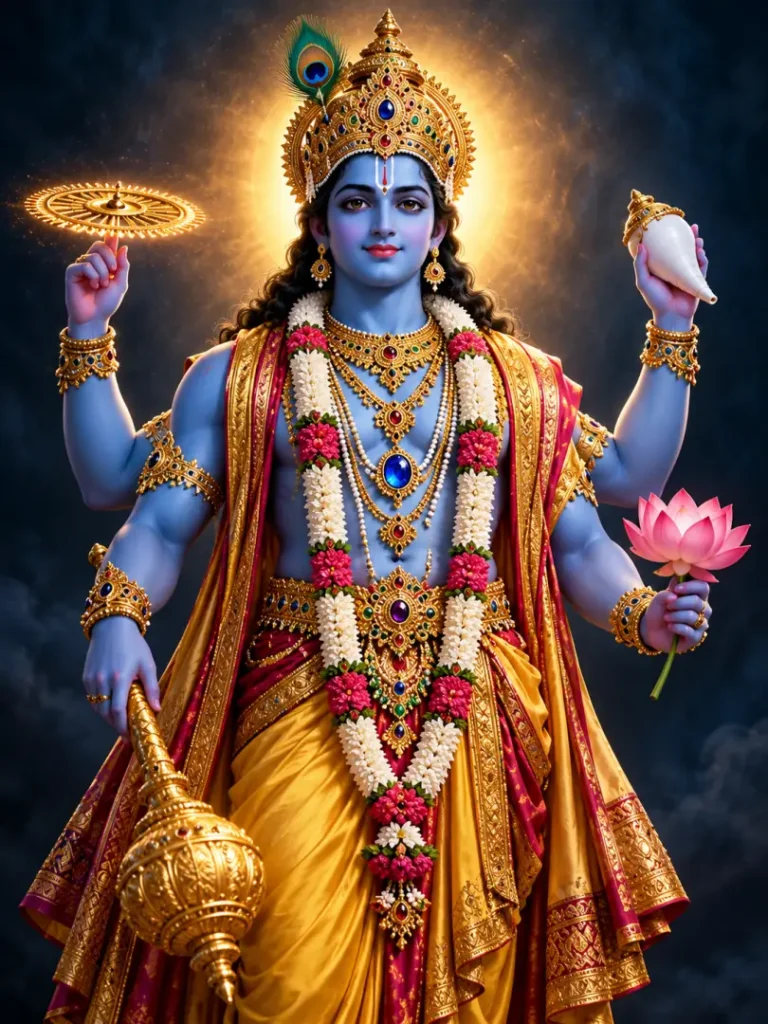
English meaning At that moment Vishnu arrived, of great splendour, lord of the world, dressed in yellow, holding conch, discus and mace.
ब्रह्मणा च समागम्य तत्र तस्थौ समाहितः ।
brahmaṇā ca samāgamya tatra tasthau samāhitaḥ |
हिंदी अर्थ वे ब्रह्मा के पास जाकर एकाग्र होकर खड़े हो गए। सब देवताओं ने झुककर उनकी स्तुति की और कहा:
English meaning He joined Brahma and stood there attentive. All the gods bowed low, praised him and said:
18-19
1.15.18-19
Copy link
त्वान्नियोक्ष्यामहे विष्णो लोकानां हितकाम्यया ।
tvānniyokṣyāmahe viṣṇo lokānāṃ hitakāmyayā |
हिंदी अर्थ हे विष्णु, लोकों के हित के लिए हम आपसे यह निवेदन करते हैं। अयोध्या के स्वामी राजा दशरथ धर्मज्ञ, उदार और महर्षियों के समान तेजस्वी हैं। हे विष्णु, स्वयं को चार भागों में करके उनकी तीन पत्नियों से, जो ह्री, श्री और कीर्ति के समान हैं, पुत्र रूप में जन्म लीजिए।
English meaning Vishnu, for the good of the worlds we ask this of you. King Dasharatha, lord of Ayodhya, knows dharma, is generous and is radiant as the great sages. Divide yourself into four, Vishnu, and be born as a son to his three wives, who are like Modesty, Fortune and Fame.
तत्र त्वं मानुषो भूत्वा प्रवृद्धं लोककण्टकम् ।
tatra tvaṃ mānuṣo bhūtvā pravṛddhaṃ lokakaṇṭakam |
हिंदी अर्थ वहाँ मनुष्य बनकर, हे विष्णु, युद्ध में रावण को मारिए, जो संसार का बढ़ा हुआ काँटा है और देवताओं से नहीं मारा जा सकता।
English meaning Become a man there, Vishnu, and slay Ravana in battle, that swollen thorn in the side of the world whom the gods cannot kill.
स हि देवांश्च गन्धर्वान्सिद्धांश्च मुनिसत्तमान् ।
sa hi devāṃśca gandharvānsiddhāṃśca munisattamān |
हिंदी अर्थ वह मूर्ख राक्षस रावण अपने बल के मद में देवताओं, गंधर्वों, सिद्धों और श्रेष्ठ मुनियों को पीड़ित करता है।
English meaning That foolish rakshasa Ravana, drunk on his strength, torments gods, gandharvas, siddhas and the best of sages.
ऋषयश्च ततस्तेन गन्धर्वाप्सरसस्तथा ।
ṛṣayaśca tatastena gandharvāpsarasastathā |
हिंदी अर्थ उस क्रूर ने नंदनवन में क्रीड़ा करते ऋषियों, गंधर्वों और अप्सराओं को भी सताया है।
English meaning That cruel one has harmed sages, gandharvas and apsaras as they played in the Nandana garden.
वधार्थं वयमायातास्तस्य वै मुनिभिस्सह ।
vadhārthaṃ vayamāyātāstasya vai munibhissaha |
हिंदी अर्थ हम मुनियों, सिद्धों, गंधर्वों और यक्षों के साथ उसके वध के लिए आए हैं, और इसलिए आपकी शरण में हैं।
English meaning We have come with the sages, siddhas, gandharvas and yakshas to seek his death, and so we take refuge in you.
त्वं गतिः परमा देव सर्वेषां नः परन्तपः ।
tvaṃ gatiḥ paramā deva sarveṣāṃ naḥ parantapaḥ |
हिंदी अर्थ हे देव, शत्रुओं को तपाने वाले, आप हम सबकी परम गति हैं। देवशत्रुओं के वध के लिए मनुष्यलोक में जाने का मन बनाइए।
English meaning O god, scorcher of foes, you are the supreme refuge of us all. Set your mind on the world of men to destroy the enemies of the gods.
25-26
1.15.25-26
Copy link
एवमुक्तस्तु देवेशो विष्णुस्त्रिदशपुङ्गवः ।
evamuktastu deveśo viṣṇustridaśapuṅgavaḥ |
हिंदी अर्थ ऐसा कहे जाने पर देवों के स्वामी, सब लोकों से वंदित, देवश्रेष्ठ विष्णु ने पितामह को आगे करके वहाँ एकत्र धर्मपरायण सब देवताओं से कहा।
English meaning Addressed in this way, Vishnu, lord of the gods and foremost of the thirty, honoured by all the worlds, spoke to all the gods gathered there, led by the Grandsire and devoted to dharma.
27-28
1.15.27-28
Copy link
भयं त्यजत भद्रं वो हितार्थं युधि रावणम् ।
bhayaṃ tyajata bhadraṃ vo hitārthaṃ yudhi rāvaṇam |
हिंदी अर्थ भय छोड़ दो, तुम्हारा कल्याण हो। तुम्हारे हित के लिए मैं देवों और ऋषियों को भयभीत करने वाले क्रूर और दुष्ट रावण को उसके पुत्रों, पौत्रों, मंत्रियों, मित्रों और बंधुओं सहित युद्ध में मारूँगा। फिर ग्यारह हजार वर्ष तक मनुष्यलोक में रहकर इस पृथ्वी का पालन करूँगा।
English meaning Give up your fear, blessings on you. For your good I shall kill in battle the cruel and wicked Ravana, terror of gods and sages, with his sons and grandsons, ministers, friends and kin. Then I shall live in the world of men for eleven thousand years, ruling this earth.
एवं दत्वा वरं देवो देवानां विष्णुरात्मवान् ।
evaṃ datvā varaṃ devo devānāṃ viṣṇurātmavān |
हिंदी अर्थ देवताओं को यह वर देकर आत्मवान विष्णु ने विचार किया कि मनुष्यलोक में उनका जन्म कहाँ होगा।
English meaning Having given the gods this boon, Vishnu, master of himself, considered where on earth among men he would be born.
ततः पद्मपलाशाक्षः कृत्वाऽऽत्मानं चतुर्विधम् ।
tataḥ padmapalāśākṣaḥ kṛtvā''tmānaṃ caturvidham |
हिंदी अर्थ फिर कमलनयन ने स्वयं को चार भागों में करके राजा दशरथ को अपना पिता चुना।
English meaning Then the lotus eyed one, dividing himself into four, chose King Dasharatha as his father.
तदा देवर्षि गन्धर्वास्सरुद्रास्साप्सरोगणाः ।
tadā devarṣi gandharvāssarudrāssāpsarogaṇāḥ |
हिंदी अर्थ तब देवर्षियों और गंधर्वों ने, रुद्रों और अप्सराओं के समूहों के साथ, दिव्य स्तुतियों से मधुसूदन की स्तुति की।
English meaning Then the divine sages and gandharvas, with the Rudras and the hosts of apsaras, praised Madhusudana with hymns of heavenly beauty.
तमुद्धतं रावणमुग्रतेजसं प्रवृद्धदर्पं त्रिदशेश्वरद्विषम् ।
tamuddhataṃ rāvaṇamugratejasaṃ pravṛddhadarpaṃ tridaśeśvaradviṣam |
हिंदी अर्थ उस उद्दंड, उग्र तेज वाले, बढ़े हुए घमंड वाले, देवराज के शत्रु रावण को उखाड़ फेंकिए, जो संसार को रुलाता है, साधुओं और तपस्वियों का काँटा है और तपस्वियों के लिए भयानक है।
English meaning Uproot that arrogant Ravana of fierce power and swelling pride, enemy of the lord of the gods, who makes the world cry out, a thorn to the good and to ascetics, a terror to all who practise penance.
तमेव हत्वा सबलं सबान्धवं विरावणं रावणमग्य्रपौरुषम् ।
tameva hatvā sabalaṃ sabāndhavaṃ virāvaṇaṃ rāvaṇamagyrapauruṣam |
हिंदी अर्थ उस महापराक्रमी, संसार को रुलाने वाले रावण को उसकी सेना और बंधुओं सहित मारकर, निश्चिंत होकर देवराज से रक्षित और सब दोषों से रहित अपने स्वर्गलोक लौट आइए।
English meaning Having killed that Ravana of great might, the one who makes the world cry, with his army and his kin, return free of fever to your own heaven, guarded by the lord of the gods and free of every taint.