Quick answer
Kartik Snan explained: the holy bath before sunrise in the month of Kartik, its meaning in the Puranas, how to do it at a river or at home, and the final bath on Kartik Purnima, 24 November 2026.
Who is in this story
The story
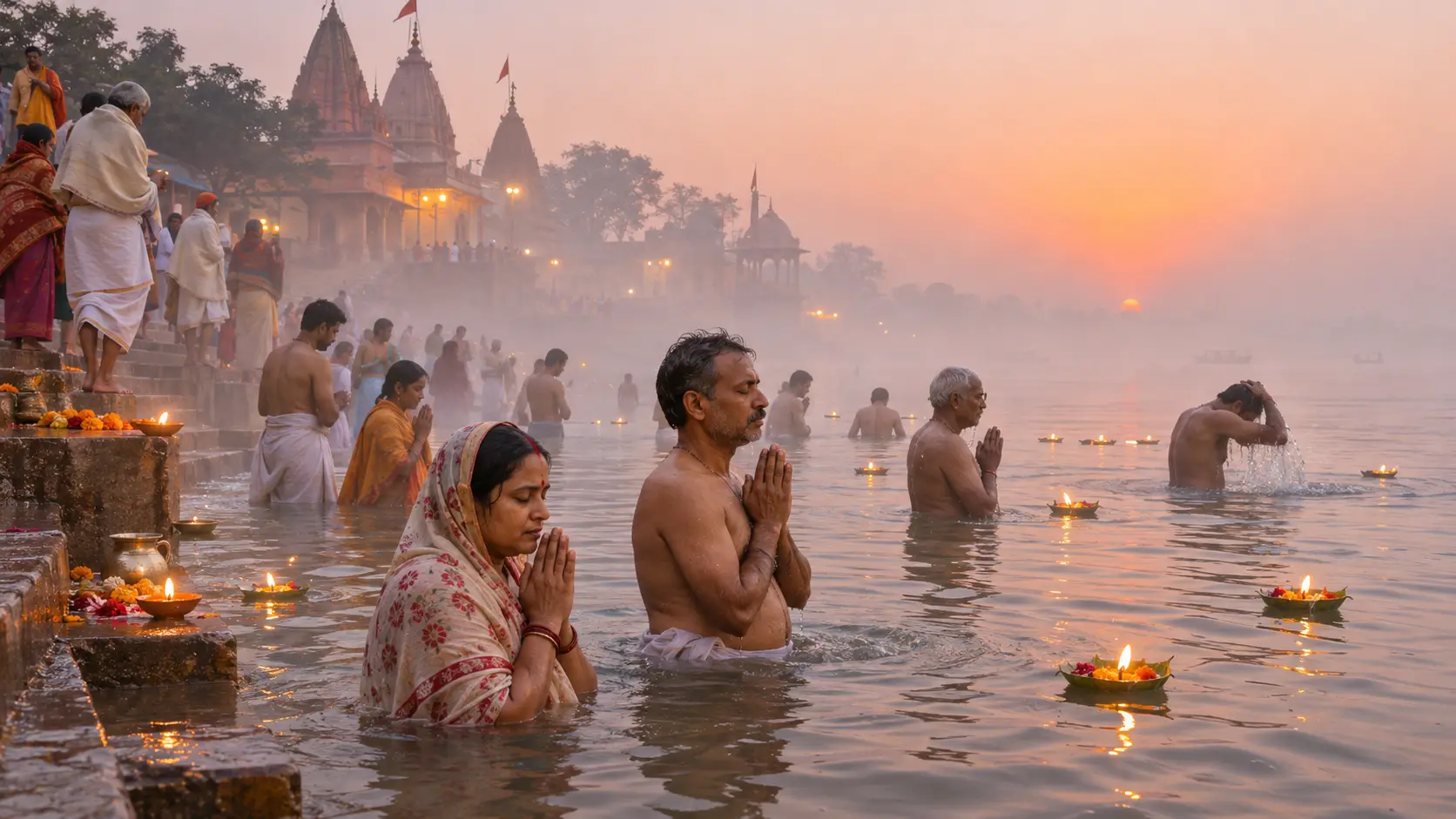
Kartik Snan is the holy bath taken before sunrise every day of the month of Kartik, one of the most sacred months of the Hindu year. The observance runs through the lunar month that ends on Kartik Purnima, which falls on Tuesday, 24 November 2026, when the final and most important bath is taken. This guide explains what Kartik Snan is, why it is considered so meritorious, how to do it at a river or at home, and the safety points to keep in mind in the cold.
Kartik Snan: what it is and why it matters
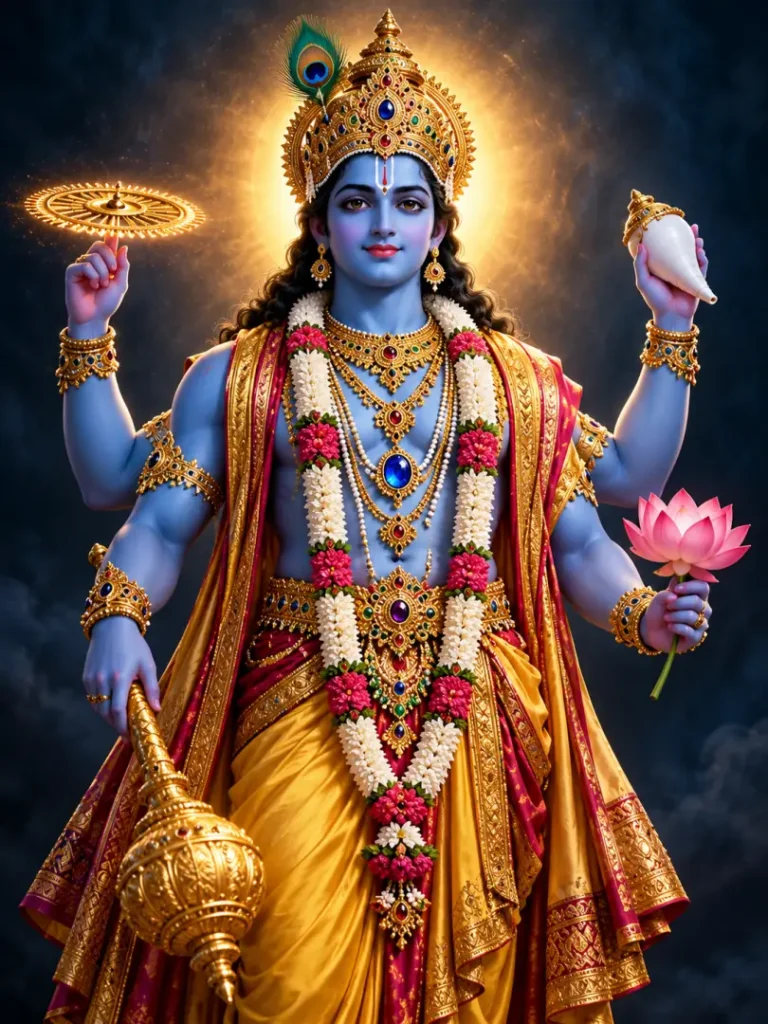
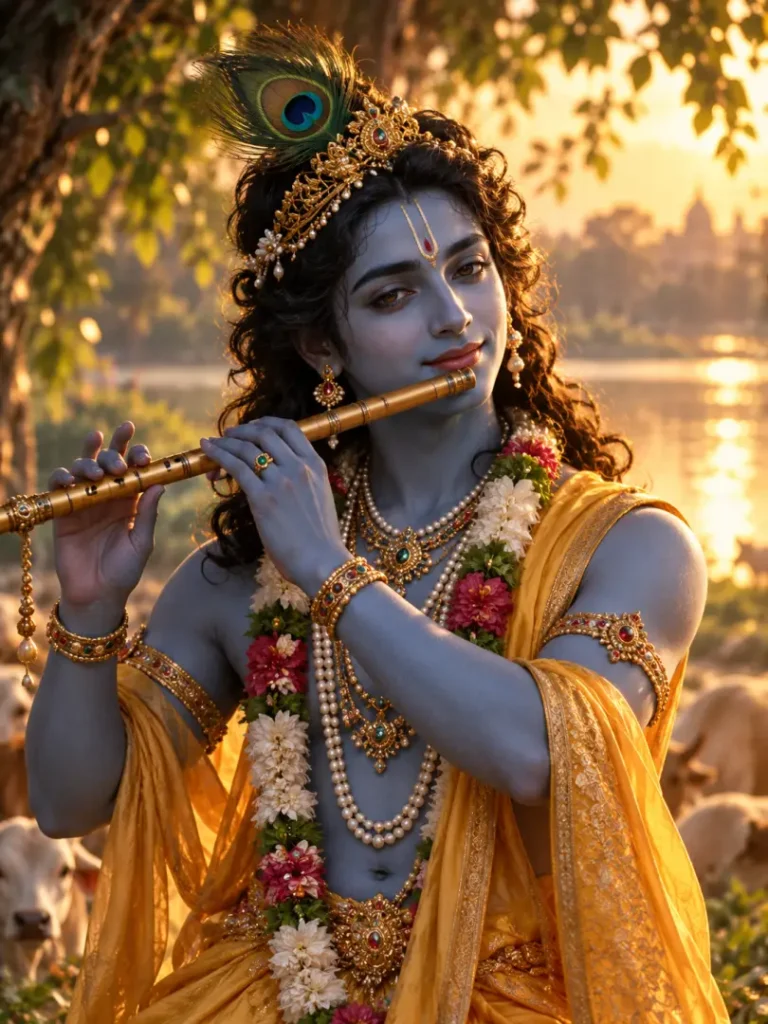
Kartik is described as the month dearest to Vishnu, and in Vaishnava tradition it is also called Damodara month, after Krishna. The Kartik Mahatmya sections of the Padma Purana and the Skanda Purana praise bathing in a sacred river before sunrise during this month, along with lighting lamps, worshipping the tulsi plant and keeping simple vows. The bath is understood as purifying both body and mind, and as a discipline that sets the tone for the day.
When Kartik Snan is done in 2026
In the north Indian calendar, Kartik began after Sharad Purnima in late October and ends on Kartik Purnima, Tuesday, 24 November 2026. Many keep the bath every day of the month, while others observe it for the last five days, the Bhishma Panchak from Dev Uthani Ekadashi on 20 November, or only on Kartik Purnima itself.
How to do Kartik Snan
- Wake before dawn. The ideal time is the Brahma muhurta, roughly one and a half hours before sunrise.
- Bathe. If a sacred river or pond is nearby, bathe there. At home, add a little Ganga jal to your bathing water.
- Take a sankalp. Make a short resolve to keep the Kartik vow, naming the month and your intention.
- Offer Arghya to the Sun. After the bath, offer water to the rising Sun from a copper vessel.
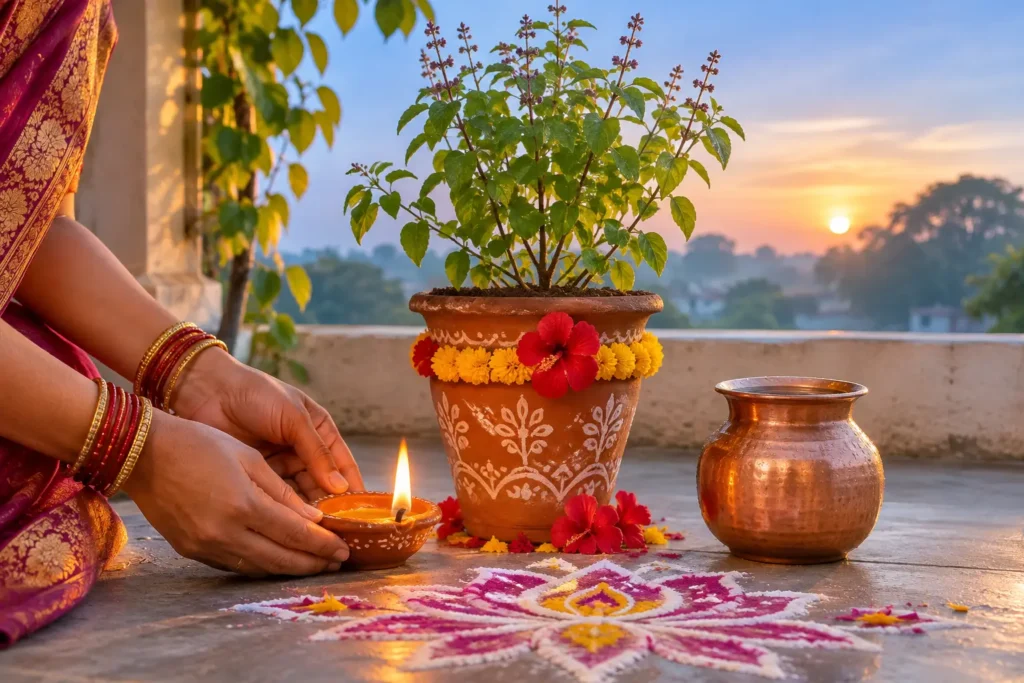
- Light a lamp. Deep daan, offering a lamp at the tulsi plant, a temple or a river, is central to Kartik.
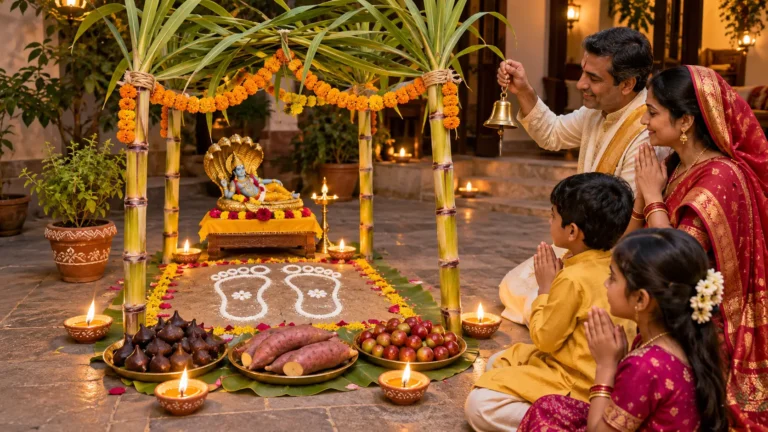
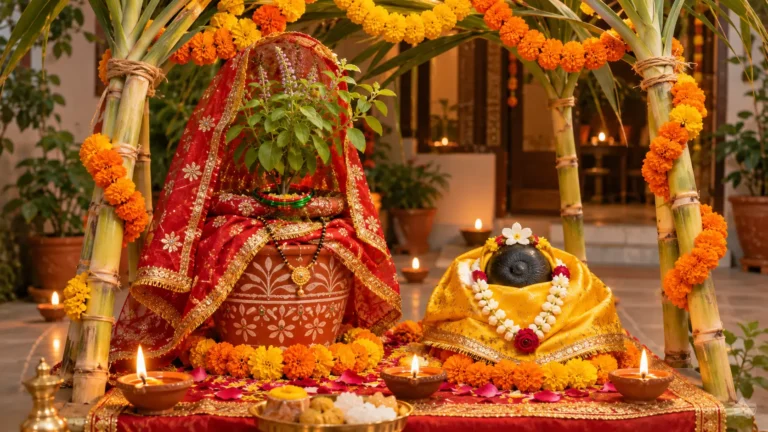
- Worship tulsi and Vishnu. Water the tulsi, light a lamp before it and offer prayers to Vishnu or Krishna. Many Vaishnava homes sing the Damodarashtakam through the month.
Rules people keep during Kartik
- Simple satvik food, often without onion and garlic, and no non-vegetarian food or alcohol.
- One meal a day or a lighter diet for those who take a stricter vow.
- Daily lamps, charity and reading of scripture.
- Restraint in speech and conduct through the month.
The final bath on Kartik Purnima
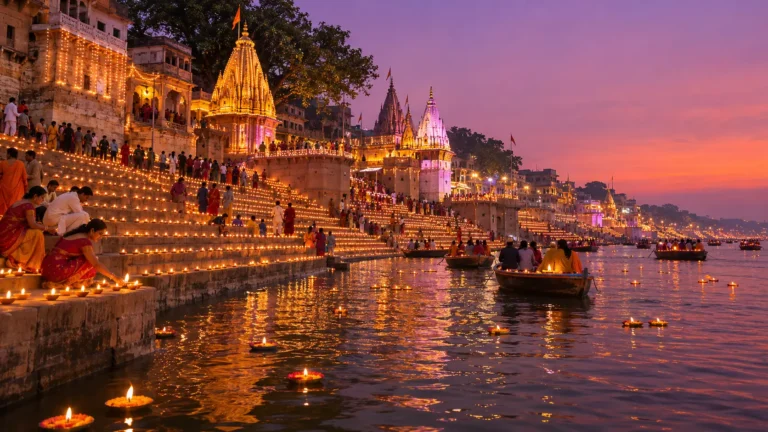
The bath on Kartik Purnima is the high point of the month. Large crowds bathe at Varanasi, Prayagraj, Haridwar, Pushkar and other tirthas, and the evening is lit for Dev Diwali. Read the full story of the day in Dev Diwali and the story of Tripurasura.
Safety in the cold
November mornings are cold, and river water can be colder still. Older people, children and anyone with heart disease, high blood pressure or a chest condition should bathe at home with warm water, which tradition fully accepts. At crowded ghats, avoid deep water and slippery steps, keep children close and follow local instructions.
Kartik Snan and the season of light
Kartik ties together several festivals: Diwali, Dev Uthani Ekadashi, Tulsi Vivah and Dev Diwali. The daily bath and lamp give the month its quiet discipline, and the full moon closes it with celebration.
Frequently asked questions
What is Kartik Snan?
It is the holy bath taken before sunrise during the month of Kartik, praised in the Padma and Skanda Puranas, ending with the bath on Kartik Purnima.
When does Kartik Snan end in 2026?
Kartik Purnima falls on Tuesday, 24 November 2026, the day of the final and most important Kartik bath.
Can Kartik Snan be done at home?
Yes. Bathing at home with a little Ganga jal is fully accepted, especially for older people and those with health conditions.
Sources and further reading
- Hindu festival dates 2026 (Samvat panchang calendar)
- Padma Purana and Skanda Purana, Kartik Mahatmya
Read our editorial policy on how scripture, Purana and folk tradition are labelled.