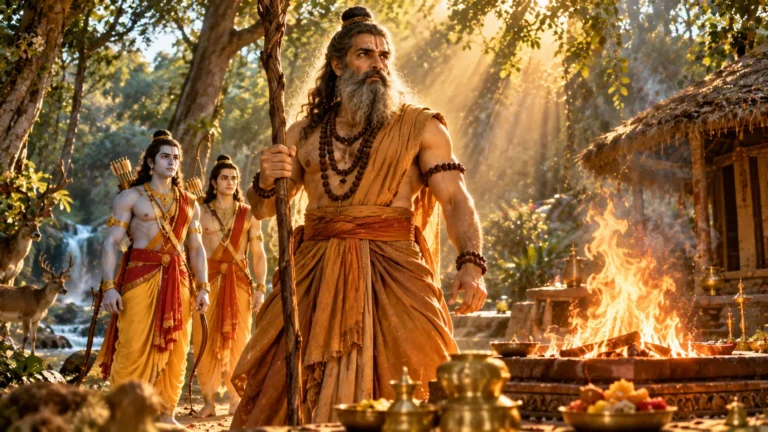
ततः प्रभाते विमले कृतकर्मा नराधिपः ।
विश्वामित्रं महात्मानं आजुहाव सराघवम् ॥
tataḥ prabhāte vimale kṛtakarmā narādhipaḥ |
viśvāmitraṃ mahātmānaṃ ājuhāva sarāghavam ||
हिंदी अर्थफिर निर्मल प्रभात में अपने कर्म करके राजा ने महात्मा विश्वामित्र को राघवों सहित बुलाया।
English meaningThen at clear dawn, having done his rites, the king invited the great souled Vishvamitra with the Raghavas.
तमर्चयित्वा धर्मात्मा शास्त्रदृष्टेन कर्मणा ।
राघवौ च महात्मानौ तदा वाक्यमुवाच ह ॥
tamarcayitvā dharmātmā śāstradṛṣṭena karmaṇā |
rāghavau ca mahātmānau tadā vākyamuvāca ha ||
हिंदी अर्थधर्मात्मा राजा ने शास्त्रोक्त विधि से उनका और दोनों महात्मा राघवों का पूजन किया और कहा:
English meaningThe righteous king honoured him and the two great souled Raghavas in the way the scriptures lay down, and said:
भगवन् स्वागतं तेऽस्तु किं करोमि तवानघ ।
भवानाज्ञापयतु मामाज्ञाप्यो भवता ह्यहम् ॥
bhagavan svāgataṃ te'stu kiṃ karomi tavānagha |
bhavānājñāpayatu māmājñāpyo bhavatā hyaham ||
हिंदी अर्थहे भगवन, स्वागत है। हे निष्पाप, मैं आपकी क्या सेवा करूँ? आज्ञा दीजिए, क्योंकि मैं आपकी आज्ञा का पालन करने वाला हूँ।
English meaningHoly one, welcome. What can I do for you, sinless one? Command me, for I am yours to command.
एवमुक्तस्स धर्मात्मा जनकेन महात्मना ।
प्रत्युवाच मुनिर्वीरं वाक्यं वाक्यविशारदः ॥
evamuktassa dharmātmā janakena mahātmanā |
pratyuvāca munirvīraṃ vākyaṃ vākyaviśāradaḥ ||
हिंदी अर्थमहात्मा जनक के ऐसा कहने पर वाक्पटु धर्मात्मा मुनि ने उस वीर को उत्तर दिया:
English meaningTold this by the great souled Janaka, the righteous sage, skilled in speech, replied to the hero:
पुत्रौ दशरथस्येमौ क्षत्रियौ लोकविश्रुतौ ।
द्रुष्टुकामौ धनु श्श्रेष्ठं यदेतत्वयि तिष्ठति ॥
putrau daśarathasyemau kṣatriyau lokaviśrutau |
druṣṭukāmau dhanu śśreṣṭhaṃ yadetatvayi tiṣṭhati ||
हिंदी अर्थदशरथ के ये दोनों पुत्र, संसार में प्रसिद्ध क्षत्रिय, आपके पास रखा श्रेष्ठ धनुष देखना चाहते हैं।
English meaningThese two sons of Dasharatha, kshatriyas famed in the world, wish to see the great bow that is in your keeping.
एतद्दर्शय भद्रं ते कृतकामौ नृपात्मजौ ।
दर्शनादस्य धनुषो यथेष्टं प्रतियास्यतः ॥
etaddarśaya bhadraṃ te kṛtakāmau nṛpātmajau |
darśanādasya dhanuṣo yatheṣṭaṃ pratiyāsyataḥ ||
हिंदी अर्थआपका कल्याण हो, इन्हें वह दिखाइए। धनुष देखकर राजकुमारों का मनोरथ पूरा होगा और वे जैसे चाहें लौट जाएँगे।
English meaningShow it to them, blessings on you. Having seen the bow, the princes will have their wish and go back as they please.
एवमुक्तस्तु जनकः प्रत्युवाच महामुनिम् ।
श्रूयतामस्य धनुषो यदर्थमिह तिष्ठति ॥
evamuktastu janakaḥ pratyuvāca mahāmunim |
śrūyatāmasya dhanuṣo yadarthamiha tiṣṭhati ||
हिंदी अर्थयह सुनकर जनक ने महामुनि को उत्तर दिया: सुनिए कि यह धनुष यहाँ क्यों रखा है।
English meaningTold this, Janaka replied to the great sage: Hear why this bow is kept here.
देवरात इति ख्यातो निमेष्षष्ठो महीपतिः ।
न्यासोऽयं तस्य भगवन् हस्ते दत्तो महात्मना ॥
devarāta iti khyāto nimeṣṣaṣṭho mahīpatiḥ |
nyāso'yaṃ tasya bhagavan haste datto mahātmanā ||
हिंदी अर्थनिमि से छठे राजा देवरात नाम से प्रसिद्ध थे। हे भगवन, यह धनुष उन महात्मा को धरोहर के रूप में सौंपा गया था।
English meaningThere was a king known as Devarata, sixth in descent from Nimi. Holy one, this bow was given into his hands in trust by the great soul.
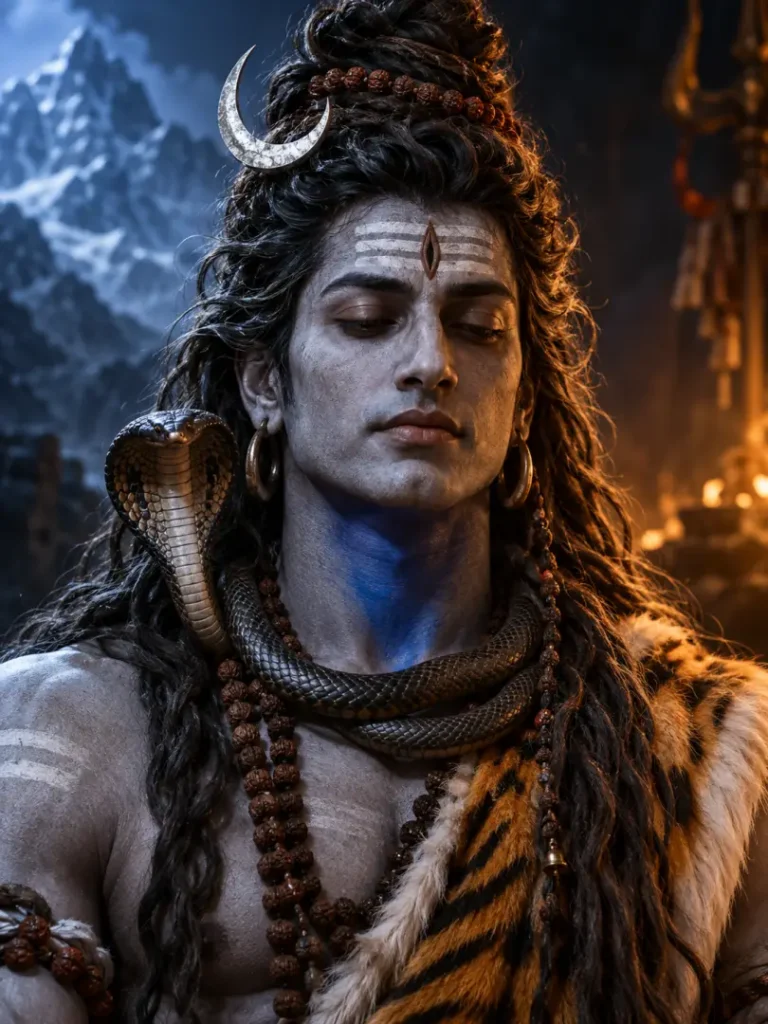
दक्षयज्ञवधे पूर्वं धनुरायम्य वीर्यवान् ।
रुद्रस्तु त्रिदशान् रोषात्सलीलमिदमब्रवीत् ॥
dakṣayajñavadhe pūrvaṃ dhanurāyamya vīryavān |
rudrastu tridaśān roṣātsalīlamidamabravīt ||
हिंदी अर्थबहुत पहले दक्ष यज्ञ के विध्वंस के समय पराक्रमी रुद्र ने यह धनुष उठाकर क्रोध में मानो खेल खेल में देवताओं से कहा:
English meaningLong ago, at the destruction of Daksha's sacrifice, the mighty Rudra raised this bow and said to the gods in anger, as if in play:
यस्माद्भागार्थिनो भागान्नाकल्पयत मे सुराः ।
वराङ्गाणि महार्हाणि धनुषा शातयामि वः ॥
yasmādbhāgārthino bhāgānnākalpayata me surāḥ |
varāṅgāṇi mahārhāṇi dhanuṣā śātayāmi vaḥ ||
हिंदी अर्थहे देवताओ, क्योंकि तुमने मेरा भाग माँगने पर भी मेरा भाग नहीं रखा, मैं इस धनुष से तुम्हारे बहुमूल्य सिर काट दूँगा।
English meaningGods, since you did not set aside a share for me, who seek my share, I will cut off your precious heads with this bow.
ततो विमनसस्सर्वे देवा वै मुनिपुङ्गव ।
प्रसादयन्ति देवेशं तेषां प्रीतोऽभवद्भवः ॥
tato vimanasassarve devā vai munipuṅgava |
prasādayanti deveśaṃ teṣāṃ prīto'bhavadbhavaḥ ||
हिंदी अर्थहे मुनिश्रेष्ठ, तब सब देवताओं ने उदास होकर देवेश को प्रसन्न किया, और भव उनसे प्रसन्न हुए।
English meaningThen all the gods, dismayed, best of sages, appeased the lord of the gods, and Bhava was pleased with them.
प्रीतियुक्तस्स सर्वेषां ददौ तेषां महात्मनाम् ।
तदेतद्देवदेवस्य धनूरत्नं महात्मनः ।
न्यासभूतं तदा न्यस्तमस्माकं पूर्व के विभो ॥
prītiyuktassa sarveṣāṃ dadau teṣāṃ mahātmanām |
tadetaddevadevasya dhanūratnaṃ mahātmanaḥ |
nyāsabhūtaṃ tadā nyastamasmākaṃ pūrva ke vibho ||
हिंदी अर्थप्रसन्न होकर उन्होंने इसे उन सब महात्माओं को दे दिया। हे प्रभु, देवाधिदेव महात्मा का यह रत्न जैसा धनुष तब हमारे पूर्वज को धरोहर के रूप में दिया गया।
English meaningFull of goodwill, he gave it to all those great souls. This jewel of a bow of the great god of gods was then given in trust to our ancestor, lord.
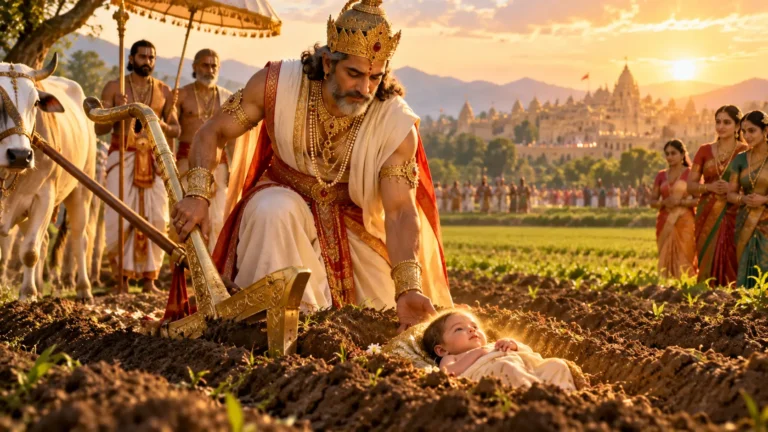
अथ मे कृषतः क्षेत्रं लाङ्गूलादुत्थिता मया ।
क्षेत्रं शोधयता लब्धा नाम्ना सीतेति विश्रुता ॥
atha me kṛṣataḥ kṣetraṃ lāṅgūlādutthitā mayā |
kṣetraṃ śodhayatā labdhā nāmnā sīteti viśrutā ||
हिंदी अर्थफिर जब मैं खेत जोत रहा था, हल की रेखा से एक कन्या निकली। खेत साफ करते हुए मुझे वह मिली, और वह सीता नाम से प्रसिद्ध है।
English meaningThen, as I was ploughing a field, a girl rose up from the furrow. I found her while clearing the field, and she is known by the name Sita.
भूतलादुत्थिता सा तु व्यवर्धत ममात्मजा ।
वीर्यशुल्केति मे कन्या स्थापितेयमयोनिजा ॥
bhūtalādutthitā sā tu vyavardhata mamātmajā |
vīryaśulketi me kanyā sthāpiteyamayonijā ||
हिंदी अर्थभूमि से निकली वह मेरी पुत्री के रूप में बड़ी हुई। गर्भ से न जन्मी मेरी इस कन्या के लिए पराक्रम ही शुल्क रखा गया है।
English meaningRisen from the earth, she grew up as my daughter. Not born of a womb, this girl of mine has been set aside as one to be won by valour.
भूतलादुत्थितां तां तु वर्धमानां ममात्मजाम् ।
वरयामासुरागम्य राजानो मुनिपुंगव ॥
bhūtalādutthitāṃ tāṃ tu vardhamānāṃ mamātmajām |
varayāmāsurāgamya rājāno munipuṃgava ||
हिंदी अर्थहे मुनिश्रेष्ठ, भूमि से निकली और बड़ी होती मेरी पुत्री को राजा आकर माँगने लगे।
English meaningBest of sages, kings came and asked for my daughter, risen from the earth and growing up.
तेषां वरयतां कन्यां सर्वेषां पृथिवीक्षिताम् ।
वीर्यशुल्केति भगवन् न ददामि सुतामहम् ॥
teṣāṃ varayatāṃ kanyāṃ sarveṣāṃ pṛthivīkṣitām |
vīryaśulketi bhagavan na dadāmi sutāmaham ||
हिंदी अर्थजब सब पृथ्वीपतियों ने कन्या माँगी, तब हे भगवन, मैंने अपनी पुत्री नहीं दी, क्योंकि उसका शुल्क पराक्रम है।
English meaningWhen all those lords of the earth asked for the girl, holy one, I did not give my daughter, for her price is valour.
ततस्सर्वे नृपतय स्समेत्य मुनिपुंगव ।
मिथिलामभ्युपागम्य वीर्यजिज्ञासवस्तदा ॥
tatassarve nṛpataya ssametya munipuṃgava |
mithilāmabhyupāgamya vīryajijñāsavastadā ||
हिंदी अर्थतब हे मुनिश्रेष्ठ, सब राजा एकत्र होकर अपना पराक्रम परखने मिथिला आए।
English meaningThen all the kings gathered, best of sages, and came to Mithila to test their valour.
तेषां जिज्ञासमानानां वीर्यं धनुरुपाहृतम् ।
न शेकुर्ग्रहणे तस्य धनुषस्तोलनेऽपि वा ॥
teṣāṃ jijñāsamānānāṃ vīryaṃ dhanurupāhṛtam |
na śekurgrahaṇe tasya dhanuṣastolane'pi vā ||
हिंदी अर्थअपना बल परखने के इच्छुक उनके सामने धनुष लाया गया, पर वे उसे पकड़ न सके, उठा भी न सके।
English meaningTo those who wished to test their strength the bow was brought, but they could not grasp it, or even lift it.
तेषां वीर्यवतां वीर्यमल्पं ज्ञात्वा महामुने ।
प्रत्याख्याता नृपतयस्तन्निबोध तपोधन ॥
teṣāṃ vīryavatāṃ vīryamalpaṃ jñātvā mahāmune |
pratyākhyātā nṛpatayastannibodha tapodhana ||
हिंदी अर्थहे महामुनि, उन बलवानों का बल थोड़ा जानकर मैंने राजाओं को लौटा दिया। हे तपोधन, आगे क्या हुआ सुनिए।
English meaningKnowing the strength of those mighty men to be small, great sage, I turned the kings away. Hear what followed, you who are rich in penance.
ततः परमकोपेन राजानो नृपपुङ्गव ।
न्यरुंधन्मिथिलां सर्वे वीर्यसंदेहमागताः ॥
tataḥ paramakopena rājāno nṛpapuṅgava |
nyaruṃdhanmithilāṃ sarve vīryasaṃdehamāgatāḥ ||
हिंदी अर्थफिर, हे नृपश्रेष्ठ, अपने पराक्रम पर संदेह होने से अत्यंत क्रुद्ध होकर सब राजाओं ने मिथिला को घेर लिया।
English meaningThen, best of kings, the kings in great fury, their valour called into question, all laid siege to Mithila.
आत्मानमवधूतं ते विज्ञाय नृपपुङ्गवाः ।
रोषेण महताऽऽविष्टाः पीडयन्मिथिलां पुरीम् ॥
ātmānamavadhūtaṃ te vijñāya nṛpapuṅgavāḥ |
roṣeṇa mahatā''viṣṭāḥ pīḍayanmithilāṃ purīm ||
हिंदी अर्थउन श्रेष्ठ राजाओं ने स्वयं को अपमानित जानकर बड़े क्रोध से मिथिला नगरी को पीड़ित किया।
English meaningThose bulls among kings, knowing themselves slighted, were filled with great rage and harassed the city of Mithila.
ततस्संवत्सरे पूर्णे क्षयं यातानि सर्वशः ।
साधनानि मुनिश्रेष्ठ ततोऽहं भृशदुःखितः ॥
tatassaṃvatsare pūrṇe kṣayaṃ yātāni sarvaśaḥ |
sādhanāni muniśreṣṭha tato'haṃ bhṛśaduḥkhitaḥ ||
हिंदी अर्थहे मुनिश्रेष्ठ, एक वर्ष पूरा होने पर मेरे सब साधन समाप्त हो गए, और मैं अत्यंत दुखी हो गया।
English meaningWhen a full year had passed, best of sages, all my resources were exhausted, and I was in great distress.
ततो देवगणान् सर्वान् तपसाऽहं प्रसादयम् ।
ददुश्च परमप्रीता श्चतुरङ्गबलं सुराः ॥
tato devagaṇān sarvān tapasā'haṃ prasādayam |
daduśca paramaprītā ścaturaṅgabalaṃ surāḥ ||
हिंदी अर्थतब मैंने तप से सब देवगणों को प्रसन्न किया, और प्रसन्न देवताओं ने मुझे चतुरंगिणी सेना दी।
English meaningThen I appeased all the hosts of gods by penance, and the gods, well pleased, gave me an army of four arms.
ततो भग्ना नृपतयो हन्यमाना दिशो ययुः ।
अवीर्या वीर्यसन्दिग्धा स्सामात्याः पापकर्मणः ॥
tato bhagnā nṛpatayo hanyamānā diśo yayuḥ |
avīryā vīryasandigdhā ssāmātyāḥ pāpakarmaṇaḥ ||
हिंदी अर्थतब पराजित और मारे जाते राजा अपने मंत्रियों के साथ चारों दिशाओं में भाग गए, बलहीन, जिनके पराक्रम पर संदेह था, पापकर्मी।
English meaningThen the kings, broken and being struck down, fled in all directions with their ministers, without strength, their valour in doubt, doers of evil.
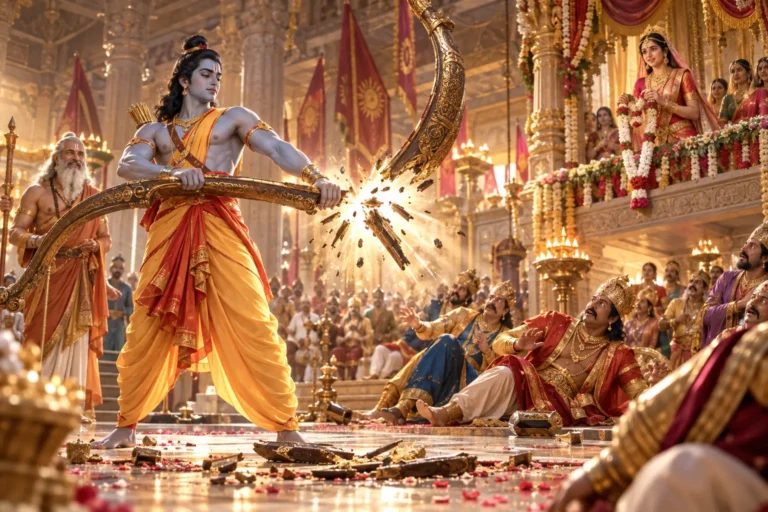
तदेतन्मुनिशार्दूल धनुः परमभास्वरम् ।
रामलक्ष्मणयोश्चापि दर्शयिष्यामि सुव्रत ॥
tadetanmuniśārdūla dhanuḥ paramabhāsvaram |
rāmalakṣmaṇayoścāpi darśayiṣyāmi suvrata ||
हिंदी अर्थहे मुनिशार्दूल, हे सुव्रत, मैं यह अत्यंत तेजस्वी धनुष राम और लक्ष्मण को भी दिखाऊँगा।
English meaningTiger among sages, you of good vows, I shall show this most brilliant bow to Rama and Lakshmana as well.
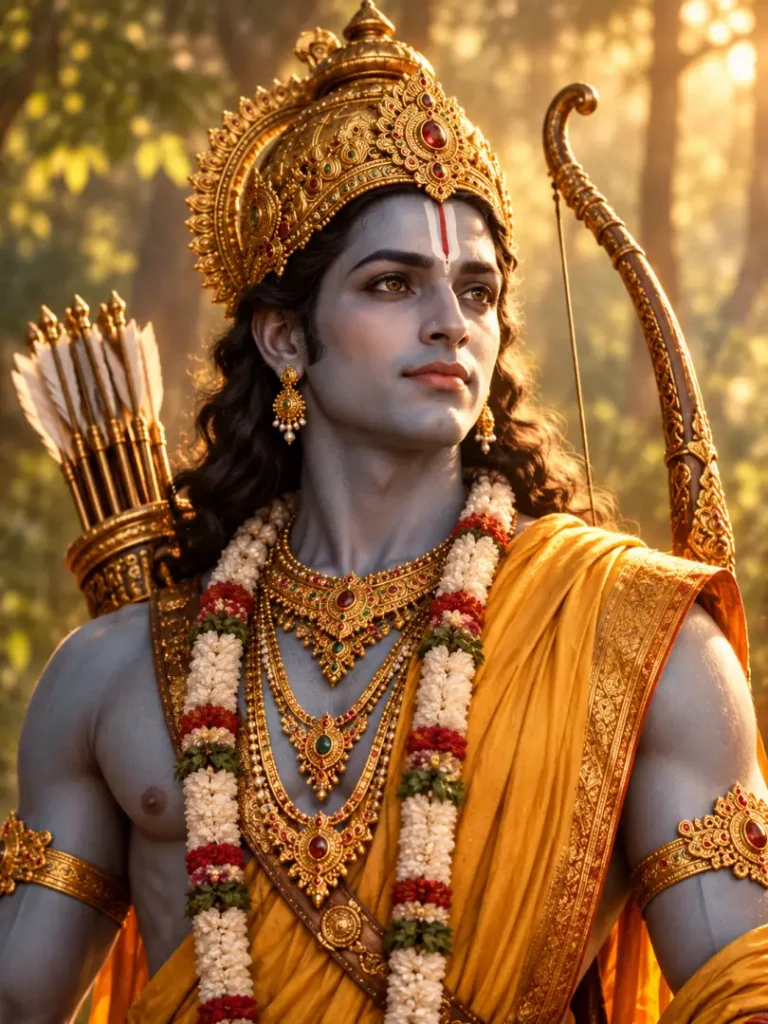
यद्यस्य धनुषो रामः कुर्यादारोपणं मुने ।
सुतामयोनिजां सीतां दद्यां दाशरथेरहम् ॥
yadyasya dhanuṣo rāmaḥ kuryādāropaṇaṃ mune |
sutāmayonijāṃ sītāṃ dadyāṃ dāśaratheraham ||
हिंदी अर्थहे मुनि, यदि राम इस धनुष पर प्रत्यंचा चढ़ा दें, तो मैं अपनी अयोनिजा पुत्री सीता दशरथपुत्र को दे दूँगा।
English meaningSage, if Rama can string this bow, I will give my daughter Sita, not born of a womb, to the son of Dasharatha.