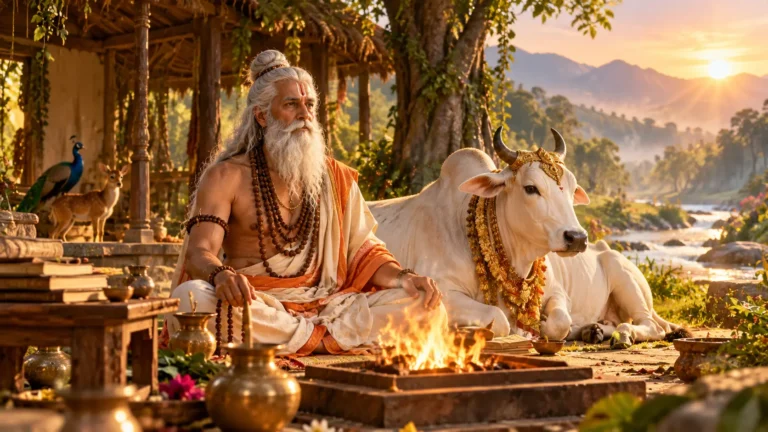
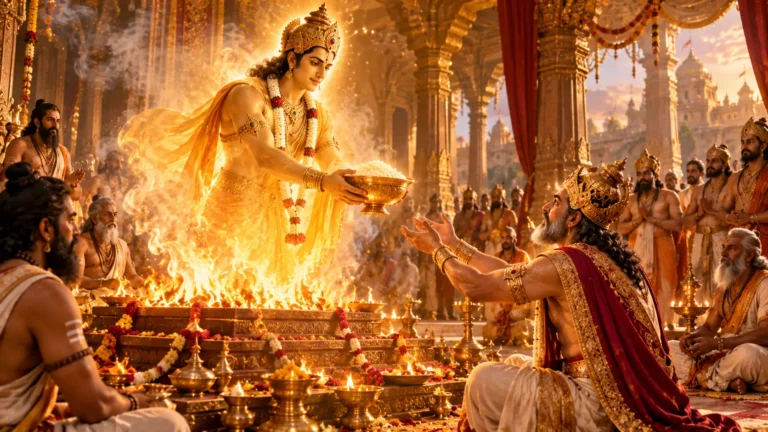
निर्वृत्ते तु क्रतौ तस्मिन्हयमेधे महात्मनः ।
nirvṛtte tu kratau tasminhayamedhe mahātmanaḥ |
हिंदी अर्थ उन महात्मा का अश्वमेध यज्ञ पूर्ण होने पर देवता अपने भाग लेकर जैसे आए थे वैसे लौट गए।
English meaning When the horse sacrifice of that great soul was complete, the gods received their shares and returned as they had come.
समाप्तदीक्षानियमः पत्नीगणसमन्वितः ।
samāptadīkṣāniyamaḥ patnīgaṇasamanvitaḥ |
हिंदी अर्थ दीक्षा के नियम पूरे करके राजा अपनी पत्नियों, सेवकों, सेना और वाहनों के साथ नगर में प्रवेश कर गए।
English meaning Having completed the vows of consecration, the king entered the city with his wives, his servants, his army and his carriages.
यथार्हं पूजितास्तेन राज्ञा वै पृथिवीश्वराः ।
yathārhaṃ pūjitāstena rājñā vai pṛthivīśvarāḥ |
हिंदी अर्थ राजा द्वारा यथायोग्य सम्मानित पृथ्वी के राजा मुनिश्रेष्ठ को प्रणाम करके प्रसन्नता से अपने अपने देश लौट गए।
English meaning The kings of the earth, honoured by him as each deserved, bowed to the best of sages and went home happily to their lands.
श्रीमतां गच्छतां तेषां स्वपुराणि पुरात्ततः ।
śrīmatāṃ gacchatāṃ teṣāṃ svapurāṇi purāttataḥ |
हिंदी अर्थ जब वे तेजस्वी राजा उस नगर से अपनी अपनी राजधानियों को चले, तो उनकी उज्ज्वल और प्रसन्न सेनाएँ शोभित हुईं।
English meaning As those glorious kings left the city for their own capitals, their bright and joyful armies shone.
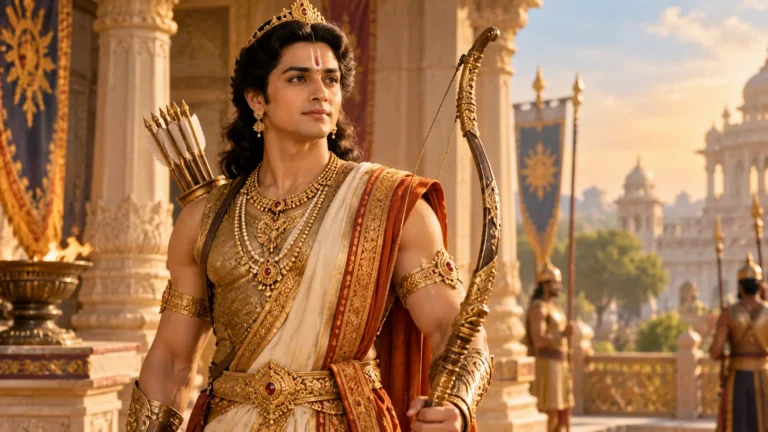
गतेषु पृथिवीशेषु राजा दशरथस्तदा ।
gateṣu pṛthivīśeṣu rājā daśarathastadā |
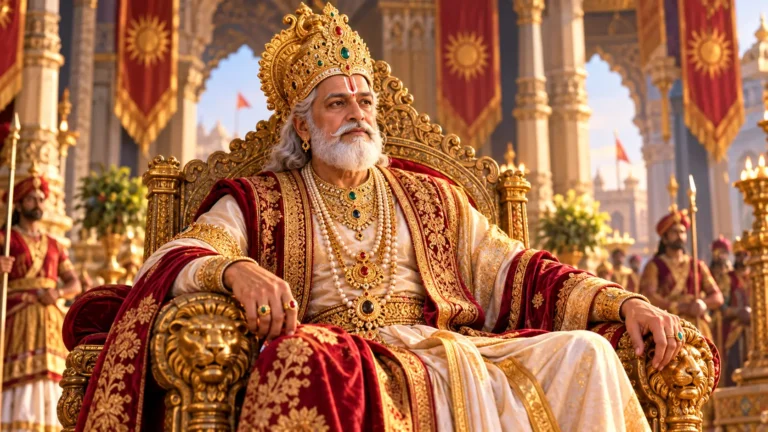
हिंदी अर्थ राजाओं के चले जाने पर तेजस्वी राजा दशरथ ने श्रेष्ठ ब्राह्मणों को आगे करके नगर में प्रवेश किया।
English meaning When the kings had gone, the glorious King Dasharatha entered the city with the best of brahmins going before him.
शान्तया प्रययौ सार्धमृश्यशृङ्गस्सुपूजितः ।
śāntayā prayayau sārdhamṛśyaśṛṅgassupūjitaḥ |
हिंदी अर्थ सम्मानित होकर ऋष्यशृंग शांता के साथ चल पड़े, और बुद्धिमान राजा अपने अनुचरों के साथ कुछ दूर तक उनके पीछे चले।
English meaning Rishyashringa, well honoured, set out with Shanta, and the wise king with his retinue walked some way behind him.
एवं विसृज्य तान्सर्वान्राजा सम्पूर्णमानसः ।
evaṃ visṛjya tānsarvānrājā sampūrṇamānasaḥ |
हिंदी अर्थ इस प्रकार उन सबको विदा करके संतुष्ट मन वाले राजा पुत्रों के जन्म का विचार करते हुए वहाँ सुख से रहे।
English meaning Having sent them all off in this way, the king, his heart content, lived there happily, thinking of the birth of sons.
ततो यज्ञे समाप्ते तु ऋतूनां षट्समत्ययुः ।
tato yajñe samāpte tu ṛtūnāṃ ṣaṭsamatyayuḥ |
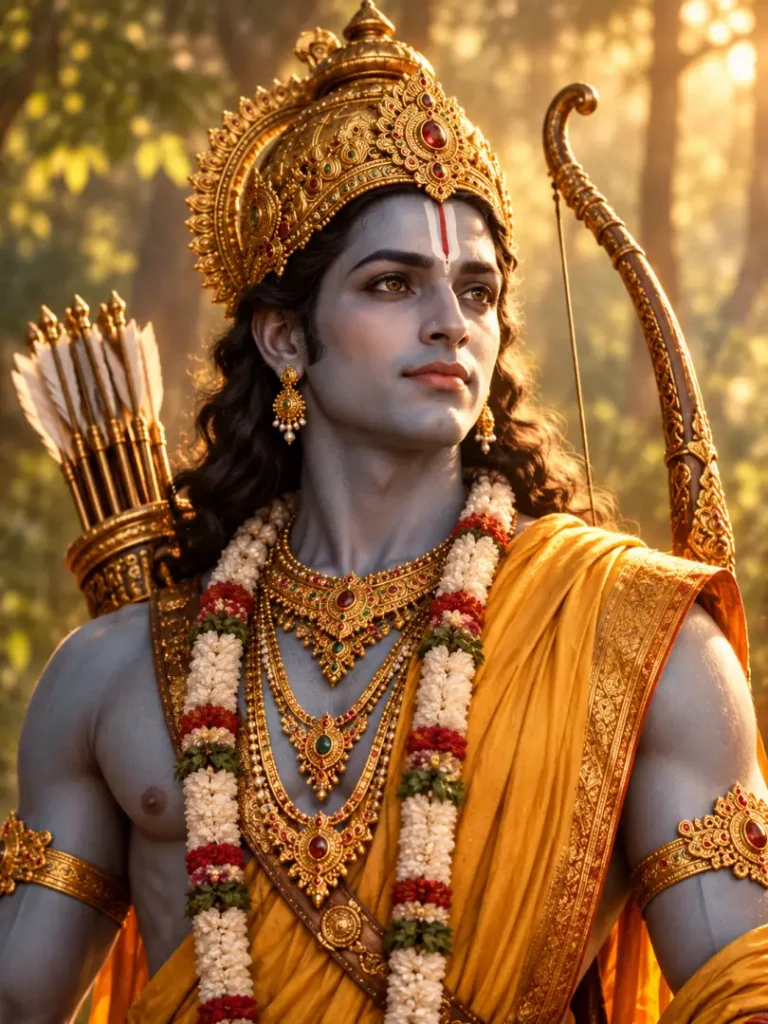
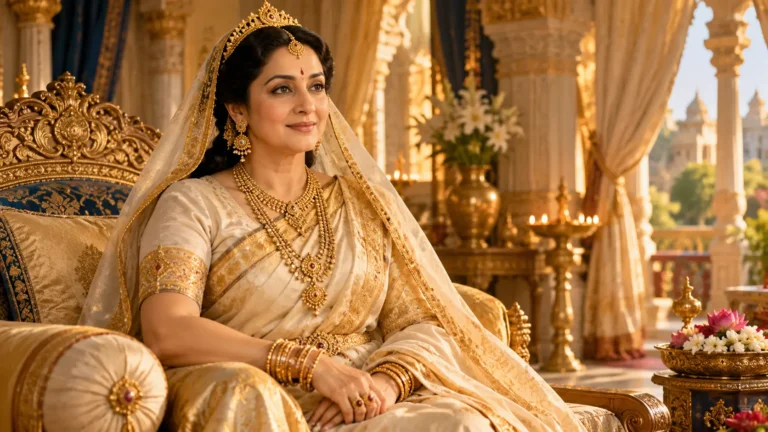
हिंदी अर्थ यज्ञ समाप्त होने के बाद छह ऋतुएँ बीतीं। फिर बारहवें मास चैत्र में नवमी तिथि को, अदिति देवता वाले पुनर्वसु नक्षत्र में, जब पाँच ग्रह उच्च स्थान में थे, कर्क लग्न उदित था और बृहस्पति चंद्रमा के साथ थे, कौसल्या ने सब लोकों से वंदित जगन्नाथ राम को जन्म दिया, जो सब शुभ लक्षणों से युक्त, विष्णु के आधे अंश, महाभाग और इक्ष्वाकु वंश को बढ़ाने वाले पुत्र थे।
English meaning When the sacrifice was over, six seasons passed. Then in the twelfth month, Chaitra, on the ninth day, under the star Punarvasu whose deity is Aditi, with five planets in exaltation, with Cancer rising and Jupiter joined with the moon, Kausalya gave birth to Rama, lord of the world, honoured by all the worlds, bearing every auspicious mark; the fortunate son who was half of Vishnu and the glory of the Ikshvakus.
कौसल्या शुशुभे तेन पुत्रेणामिततेजसा ।
kausalyā śuśubhe tena putreṇāmitatejasā |
हिंदी अर्थ कौसल्या उस अपार तेज वाले पुत्र से वैसे ही शोभित हुईं जैसे देवश्रेष्ठ वज्रधारी इंद्र से अदिति।
English meaning Kausalya shone with that son of boundless splendour, as Aditi shone with Indra, the thunderbolt wielder, best of the gods.
भरतो नाम कैकेय्यां जज्ञे सत्यपराक्रमः ।
bharato nāma kaikeyyāṃ jajñe satyaparākramaḥ |
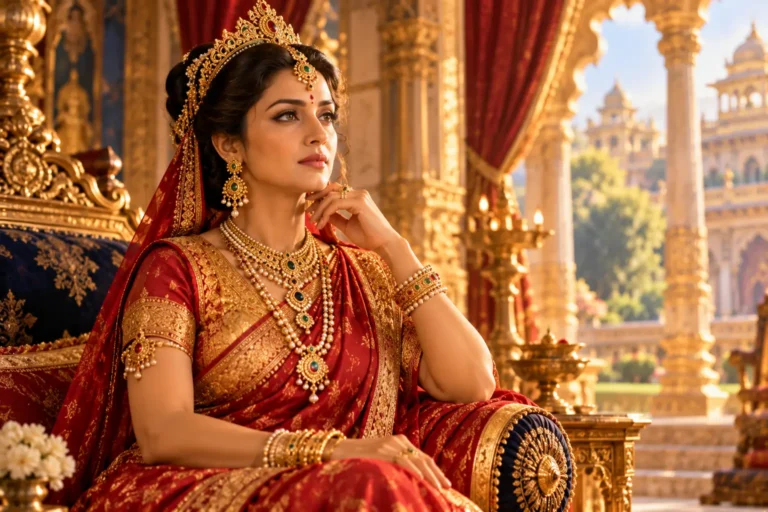
हिंदी अर्थ कैकेयी से सत्यपराक्रमी भरत का जन्म हुआ, जो साक्षात विष्णु का चौथा अंश और सब गुणों से संपन्न थे।
English meaning Bharata, true in valour, was born of Kaikeyi, a quarter of Vishnu himself, endowed with every virtue.
अथ लक्ष्मणशत्रुघ्नौ सुमित्राऽजनयत्सुतौ ।
atha lakṣmaṇaśatrughnau sumitrā'janayatsutau |
हिंदी अर्थ फिर सुमित्रा ने दो पुत्रों, लक्ष्मण और शत्रुघ्न, को जन्म दिया, जो वीर, सब अस्त्रों में कुशल और विष्णु के अंश से युक्त थे।
English meaning Then Sumitra gave birth to two sons, Lakshmana and Shatrughna, heroes skilled in every weapon, sharing in Vishnu's portion.
पुष्ये जातस्तु भरतो मीनलग्ने प्रसन्नधीः ।
puṣye jātastu bharato mīnalagne prasannadhīḥ |
हिंदी अर्थ प्रसन्न बुद्धि वाले भरत पुष्य नक्षत्र और मीन लग्न में जन्मे; सुमित्रा के दोनों पुत्र आश्लेषा नक्षत्र में जन्मे, जब सूर्य कर्क में उदित था।
English meaning Bharata, clear minded, was born under Pushya with Pisces rising; the two sons of Sumitra were born under Ashlesha, when the sun had risen in Cancer.
राज्ञः पुत्रा महात्मानश्चत्वारो जज्ञिरे पृथक् ।
rājñaḥ putrā mahātmānaścatvāro jajñire pṛthak |
हिंदी अर्थ राजा के चार महात्मा पुत्र अलग अलग जन्मे, जो गुणवान, उनके योग्य और प्रोष्ठपदा के तारों जैसे कांतिमान थे।
English meaning Four great souled sons were born to the king, each in turn, full of virtue and worthy of him, bright as the stars of Proshthapada.
16-17
1.18.16-17
Copy link
जगुः कलं च गन्धर्वा ननृतुश्चाप्सरोगणाः ।
jaguḥ kalaṃ ca gandharvā nanṛtuścāpsarogaṇāḥ |
हिंदी अर्थ गंधर्वों ने मधुर गान किया और अप्सराएँ नाचीं, देवताओं की दुंदुभियाँ बजीं और आकाश से फूल बरसे। अयोध्या में लोगों से भरा एक बड़ा उत्सव हुआ।
English meaning The gandharvas sang sweetly and the apsaras danced, the drums of the gods sounded and flowers rained from the sky. A great festival filled Ayodhya, crowded with people.
रथ्याश्च जनसम्बाधा नटनर्तकसङ्कुलाः ।
rathyāśca janasambādhā naṭanartakasaṅkulāḥ |
हिंदी अर्थ गलियाँ लोगों से भरी थीं, नटों और नर्तकों से भरी थीं, और गायकों तथा वादकों से गूँज रही थीं।
English meaning The streets were packed with people and full of actors and dancers, ringing with singers and with musicians.
प्रदेयांश्च ददौ राजा सूतमागधवन्दिनाम् ।
pradeyāṃśca dadau rājā sūtamāgadhavandinām |
हिंदी अर्थ राजा ने सूतों, मागधों और वंदीजनों को उपहार दिए, और ब्राह्मणों को धन और हजारों गायें दीं।
English meaning The king gave gifts to the bards, heralds and panegyrists, and gave wealth and thousands of cattle to the brahmins.
20-21
1.18.20-21
Copy link
अतीत्यैकादशाहं तु नामकर्म तथाऽकरोत् ।
atītyaikādaśāhaṃ tu nāmakarma tathā'karot |
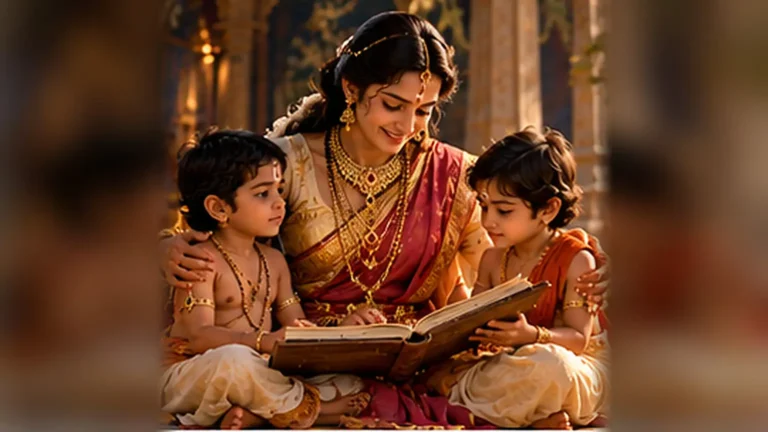
हिंदी अर्थ ग्यारह दिन बीतने पर नामकरण संस्कार हुआ। अत्यंत प्रसन्न वसिष्ठ ने उनके नाम रखे: ज्येष्ठ महात्मा का नाम राम, कैकेयी के पुत्र का भरत, सुमित्रा के पुत्र का लक्ष्मण, और दूसरे का शत्रुघ्न।
English meaning When eleven days had passed, the naming ceremony was held. Vasishtha, full of joy, named them: the eldest, great souled one Rama; Kaikeyi's son Bharata; Sumitra's son Lakshmana; and the other Shatrughna.
ब्राह्मणान्भोजयामास पौराञ्जानपदानपि ।
brāhmaṇānbhojayāmāsa paurāñjānapadānapi |
हिंदी अर्थ उन्होंने ब्राह्मणों और नगर तथा जनपद के लोगों को भोजन कराया, ब्राह्मणों को रत्नों के अनगिनत ढेर दिए, और बालकों के जातकर्म आदि सब संस्कार करवाए।
English meaning He fed the brahmins and the people of city and countryside, gave the brahmins countless heaps of jewels, and had all the rites for the boys performed, beginning with the birth rites.
तेषां केतुरिव ज्येष्ठो रामो रतिकरः पितुः ।
teṣāṃ keturiva jyeṣṭho rāmo ratikaraḥ pituḥ |
हिंदी अर्थ उनमें ज्येष्ठ राम ध्वजा के समान थे, पिता को आनंद देने वाले, और स्वयंभू के समान सब प्राणियों के प्रिय थे।
English meaning Among them the eldest, Rama, was like a banner, his father's delight, and was loved by all beings like the Self born himself.
सर्वे वेदविदश्शूरास्सर्वे लोकहिते रताः ।
sarve vedavidaśśūrāssarve lokahite ratāḥ |
हिंदी अर्थ वे सब वेदों के ज्ञाता और शूर थे; सब लोकहित में लगे रहते थे; सब ज्ञान से संपन्न और गुणों से युक्त थे।
English meaning All of them knew the Vedas and were brave; all delighted in the good of the world; all were full of knowledge and endowed with virtue.
तेषामपि महातेजा रामस्सत्यपराक्रमः ।
teṣāmapi mahātejā rāmassatyaparākramaḥ |
हिंदी अर्थ उनमें भी महातेजस्वी, सत्यपराक्रमी राम चंद्रमा के समान निर्मल और सारे संसार के प्रिय थे।
English meaning Even among them the radiant Rama, true in valour, was dear to all the world, spotless as the moon.
गजस्कन्धेऽश्वपृष्ठे च रथचर्यासु सम्मतः ।
gajaskandhe'śvapṛṣṭhe ca rathacaryāsu sammataḥ |
हिंदी अर्थ वे हाथी की पीठ पर, घोड़े पर और रथ चलाने में प्रशंसित थे, धनुर्वेद में लगे रहते और पिता की सेवा में रत रहते थे।
English meaning He was admired on an elephant's neck, on horseback and in chariot driving, devoted to the science of archery and to serving his father.
बाल्यात्प्रभृति सुस्निग्धो लक्ष्मणो लक्ष्मिवर्धनः ।
bālyātprabhṛti susnigdho lakṣmaṇo lakṣmivardhanaḥ |
हिंदी अर्थ बचपन से ही सौभाग्य बढ़ाने वाले लक्ष्मण अपने बड़े भाई, लोगों को आनंद देने वाले राम से सदा गहरा स्नेह रखते थे।
English meaning From childhood Lakshmana, who increases good fortune, was always deeply attached to his elder brother Rama, the delight of the world.
सर्वप्रियकरस्तस्य रामस्यापि शरीरतः ।
sarvapriyakarastasya rāmasyāpi śarīrataḥ |
हिंदी अर्थ सौभाग्यशाली लक्ष्मण अपने शरीर की परवाह किए बिना राम का हर प्रिय कार्य करते थे, और मानो उनके बाहर चलने वाले दूसरे प्राण थे।
English meaning Lakshmana, blessed with fortune, did everything dear to Rama even at the cost of his own body, and was like a second life breath of Rama outside him.
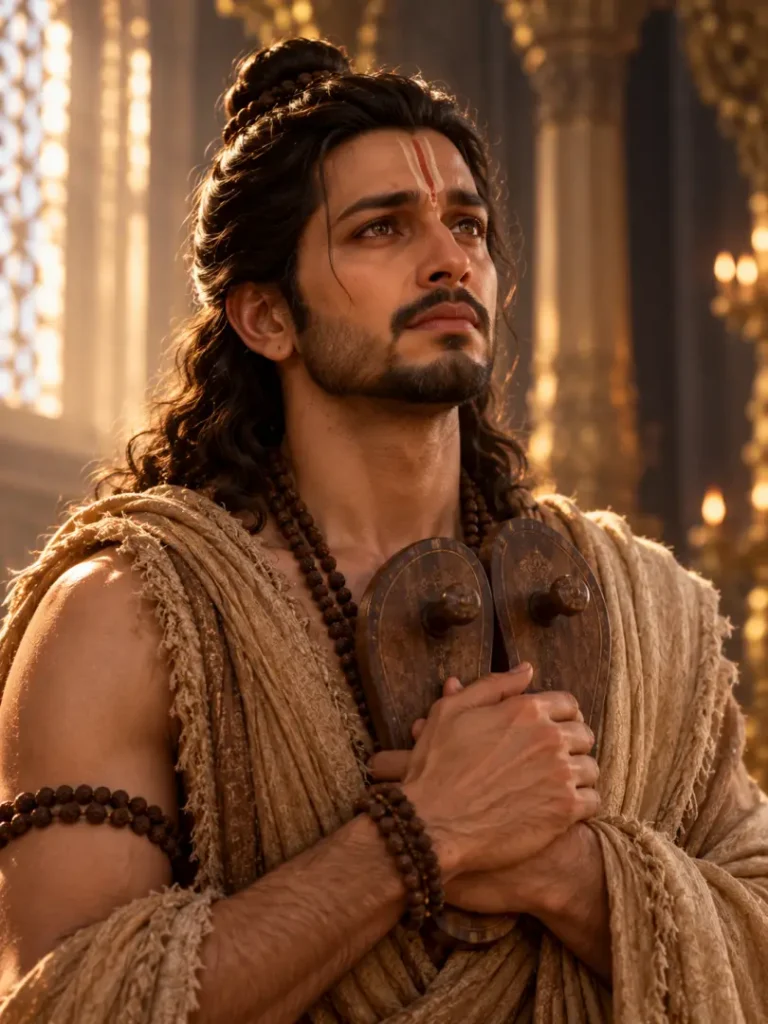
न च तेन विना निद्रां लभते पुरुषोत्तमः ।
na ca tena vinā nidrāṃ labhate puruṣottamaḥ |
हिंदी अर्थ उनके बिना पुरुषोत्तम राम को नींद नहीं आती थी, और लाए गए स्वादिष्ट भोजन को भी वे उनके बिना नहीं खाते थे।
English meaning Without him that best of men could not sleep, nor would he eat the fine food brought to him without him.
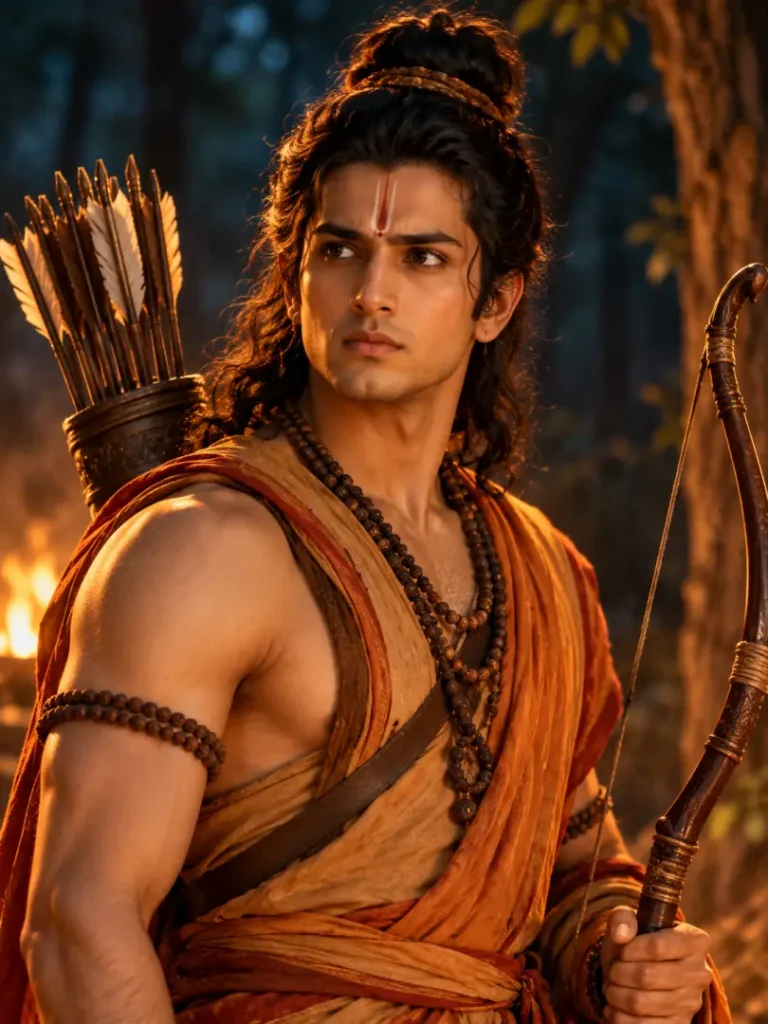
यदा हि हयमारूढो मृगयां याति राघवः ।
yadā hi hayamārūḍho mṛgayāṃ yāti rāghavaḥ |
हिंदी अर्थ जब भी राघव घोड़े पर चढ़कर शिकार को जाते, लक्ष्मण धनुष लेकर उनकी रक्षा करते हुए पीछे पीछे चलते।
English meaning Whenever Raghava rode out hunting on horseback, Lakshmana followed behind him with his bow, guarding him.
भरतस्यापि शत्रुघ्नो लक्ष्मणावरजो हि सः ।
bharatasyāpi śatrughno lakṣmaṇāvarajo hi saḥ |
हिंदी अर्थ इसी प्रकार लक्ष्मण के छोटे भाई शत्रुघ्न भरत को सदा प्राणों से भी प्यारे थे, और भरत भी उन्हें उतने ही प्रिय थे।
English meaning In the same way Shatrughna, Lakshmana's younger brother, was always dearer than life to Bharata, and Bharata was as dear to him.
स चतुर्भिर्महाभागैःपुत्रैर्दशरथः प्रियैः ।
sa caturbhirmahābhāgaiḥputrairdaśarathaḥ priyaiḥ |
हिंदी अर्थ अपने चार भाग्यशाली और प्रिय पुत्रों से दशरथ वैसे ही अत्यंत प्रसन्न हुए जैसे देवताओं से पितामह ब्रह्मा।
English meaning With his four fortunate and beloved sons Dasharatha was overjoyed, like the Grandsire with the gods.
33-34
1.18.33-34
Copy link
ते यदा ज्ञानसम्पन्नास्सर्वैस्समुदिता गुणैः ।
te yadā jñānasampannāssarvaissamuditā guṇaiḥ |
हिंदी अर्थ जब वे ज्ञान और सब गुणों से संपन्न, लज्जाशील, यशस्वी, सर्वज्ञ और दूरदर्शी हो गए, तो पिता दशरथ उन सब तेजस्वी और प्रभावशाली पुत्रों से वैसे ही हर्षित हुए जैसे लोकों के स्वामी ब्रह्मा।
English meaning When they had grown full of knowledge and every virtue, modest, renowned, wise in all things and far sighted, their father Dasharatha rejoiced in all those radiant and powerful sons, as Brahma, lord of the worlds, rejoices.
ते चापि मनुजव्याघ्रा वैदिकाध्ययने रताः ।
te cāpi manujavyāghrā vaidikādhyayane ratāḥ |
हिंदी अर्थ वे नरव्याघ्र वेदों के अध्ययन और पिता की सेवा में लगे रहते थे, और धनुर्वेद में निपुण थे।
English meaning Those tigers among men were devoted to the study of the Vedas, to serving their father, and were accomplished in archery.
अथ राजा दशरथस्तेषां दारक्रियां प्रति ।
atha rājā daśarathasteṣāṃ dārakriyāṃ prati |
हिंदी अर्थ फिर धर्मात्मा राजा दशरथ अपने उपाध्यायों और बंधुओं के साथ उनके विवाह के विषय में विचार करने लगे।
English meaning Then the righteous King Dasharatha, with his preceptors and kinsmen, began to think about their marriages.
तस्य चिन्तयमानस्य मन्त्रिमध्ये महात्मनः ।
tasya cintayamānasya mantrimadhye mahātmanaḥ |
हिंदी अर्थ जब वे महात्मा मंत्रियों के बीच यह विचार कर रहे थे, तभी महातेजस्वी महामुनि विश्वामित्र आ पहुँचे।
English meaning While that great soul was thinking this over among his ministers, the radiant great sage Vishvamitra arrived.
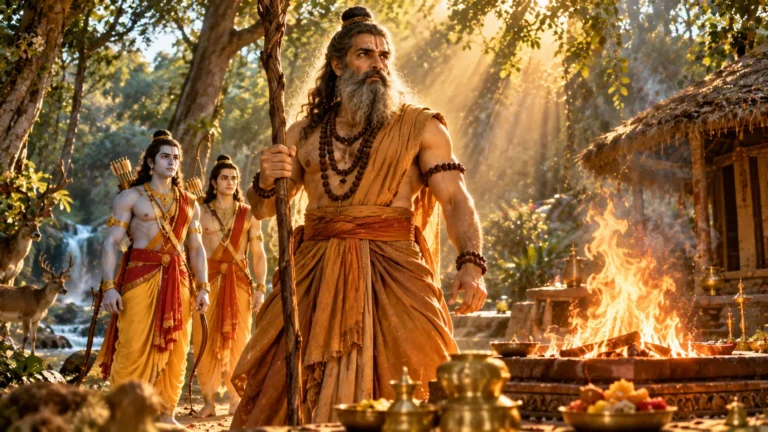
स राज्ञो दर्शनाकाङ्क्षी द्वाराध्यक्षानुवाच ह ।
sa rājño darśanākāṅkṣī dvārādhyakṣānuvāca ha |
हिंदी अर्थ राजा से मिलने की इच्छा से उन्होंने द्वारपालों से कहा: शीघ्र जाकर कहो कि मैं गाधिपुत्र कौशिक आया हूँ।
English meaning Wishing to see the king, he said to the gatekeepers: Tell him at once that I, Kaushika, son of Gadhi, have come.
तच्छ्रुत्वा वचनं त्रासाद्राज्ञो वेश्म प्रदुद्रुवुः ।
tacchrutvā vacanaṃ trāsādrājño veśma pradudruvuḥ |
हिंदी अर्थ यह सुनकर वे सब घबराए मन से, उनके वचन से प्रेरित होकर भयपूर्वक राजमहल की ओर दौड़े।
English meaning Hearing those words, they all ran in alarm to the king's palace, their minds flustered, urged on by what he had said.
ते गत्वा राजभवनं विश्वामित्रमृषिं तदा ।
te gatvā rājabhavanaṃ viśvāmitramṛṣiṃ tadā |
हिंदी अर्थ राजभवन पहुँचकर उन्होंने इक्ष्वाकु राजा को बताया कि ऋषि विश्वामित्र आए हैं।
English meaning Reaching the royal palace, they told the Ikshvaku king that the sage Vishvamitra had arrived.
तेषां तद्वचनं श्रुत्वा सपुरोधास्समाहितः ।
teṣāṃ tadvacanaṃ śrutvā sapurodhāssamāhitaḥ |
हिंदी अर्थ उनकी बात सुनकर राजा सावधान होकर पुरोहित के साथ प्रसन्नतापूर्वक उनकी अगवानी को गए, जैसे इंद्र ब्रह्मा की अगवानी को जाते हैं।
English meaning Hearing their words, the king, composed and with his family priest, went out joyfully to meet him, as Indra goes to meet Brahma.
तं दृष्ट्वा ज्वलितं दीप्त्या तापसं संशितव्रतम् ।
taṃ dṛṣṭvā jvalitaṃ dīptyā tāpasaṃ saṃśitavratam |
हिंदी अर्थ कठोर व्रत वाले, तेज से दमकते उस तपस्वी को देखकर प्रसन्न मुख राजा ने उन्हें अर्घ्य अर्पित करवाया।
English meaning Seeing that ascetic of strict vows blazing with splendour, the king, his face bright with joy, had the guest offering brought to him.
स राज्ञः प्रतिगृह्यार्घ्यं शास्त्रदृष्टेन कर्मणा ।
sa rājñaḥ pratigṛhyārghyaṃ śāstradṛṣṭena karmaṇā |
हिंदी अर्थ शास्त्र में बताई विधि से राजा का अर्घ्य स्वीकार करके उन्होंने राजा का कुशल और समृद्धि पूछी।
English meaning Accepting the king's offering in the manner the shastras lay down, he asked after the king's welfare and prosperity.
पुरे कोशे जनपदे बान्धवेषु सुहृत्सु च ।
pure kośe janapade bāndhaveṣu suhṛtsu ca |
हिंदी अर्थ परम धार्मिक कौशिक ने राजा से उनके नगर, कोष, जनपद, बंधुओं और मित्रों का कुशल पूछा।
English meaning The most righteous Kaushika asked after the king's welfare in his city, treasury and country, among his kin and friends.
अपि ते सन्नतास्सर्वे सामन्ता रिपवो जिताः ।
api te sannatāssarve sāmantā ripavo jitāḥ |
हिंदी अर्थ क्या तुम्हारे सब सामंत विनीत हैं और शत्रु जीत लिए गए हैं? क्या देवताओं और मनुष्यों से संबंधित तुम्हारे कर्म भली प्रकार हो रहे हैं?
English meaning Are all your vassals obedient and your enemies conquered? Are the rites to the gods and your duties to men well carried out?
वसिष्ठं च समागम्य कुशलं मुनिपुङ्गवः ।
vasiṣṭhaṃ ca samāgamya kuśalaṃ munipuṅgavaḥ |
हिंदी अर्थ फिर मुनिश्रेष्ठ ने वसिष्ठ और अन्य महाभाग ऋषियों से मिलकर यथोचित कुशल पूछा।
English meaning Then the best of sages met Vasishtha and the other fortunate sages and asked after their welfare as was proper.
ते सर्वे हृष्टमनसस्तस्य राज्ञो निवेशनम् ।
te sarve hṛṣṭamanasastasya rājño niveśanam |
हिंदी अर्थ वे सब प्रसन्न मन से राजा के भवन में गए, और वहाँ सम्मानित होकर यथायोग्य आसनों पर बैठे।
English meaning All of them, glad at heart, entered the king's palace, and being honoured there they sat down each in his proper place.
अथ हृष्टमना राजा विश्वामित्रं महामुनिम् ।
atha hṛṣṭamanā rājā viśvāmitraṃ mahāmunim |
हिंदी अर्थ फिर प्रसन्न और परम उदार राजा ने महामुनि विश्वामित्र का पूजन करते हुए हर्षपूर्वक उनसे कहा।
English meaning Then the king, delighted and most generous, honouring the great sage Vishvamitra, spoke to him joyfully.
49-50
1.18.49-50
Copy link
यथाऽमृतस्य सम्प्राप्तिर्यथावर्षमनूदके ।
yathā'mṛtasya samprāptiryathāvarṣamanūdake |
हिंदी अर्थ जैसे अमृत की प्राप्ति, जैसे सूखी धरती पर वर्षा, जैसे निःसंतान को योग्य पत्नी से पुत्र का जन्म, जैसे खोई वस्तु का मिलना, जैसे बड़े उत्सव का आनंद, वैसे ही मैं आपके आगमन को मानता हूँ। हे महामुने, आपका स्वागत है।
English meaning Like gaining nectar, like rain on a land without water, like the birth of a son to a childless man by a worthy wife, like finding what was lost, like the joy of a great festival, so I count your coming. Welcome, great sage.
51-52
1.18.51-52
Copy link
कं च ते परमं कामं करोमि किमु हर्षितः ।
kaṃ ca te paramaṃ kāmaṃ karomi kimu harṣitaḥ |
हिंदी अर्थ आपकी कौन सी बड़ी इच्छा मैं प्रसन्नता से पूरी करूँ? हे ब्रह्मन, आप मेरे दान के योग्य पात्र हैं, और सौभाग्य से आप आए हैं, कौशिक। आज मेरा जन्म सफल हुआ और मेरा जीवन धन्य हुआ।
English meaning What great wish of yours may I gladly fulfil? Brahmin, you are worthy of every gift from me, and by good fortune you have come, Kaushika. Today my birth bears fruit and my life is well lived.
पूर्वं राजर्षिशब्देन तपसा द्योतितप्रभः ।
pūrvaṃ rājarṣiśabdena tapasā dyotitaprabhaḥ |
हिंदी अर्थ पहले आप राजर्षि कहलाते थे, फिर तप से आपका तेज प्रकाशित हुआ और आपने ब्रह्मर्षि पद पाया। आप अनेक प्रकार से मेरे पूज्य हैं।
English meaning Once you were called a royal sage, then your splendour was lit by penance and you became a brahmarshi. You are in many ways worthy of my worship.
तदद्भुतमिदं ब्रह्मन्पवित्रं परमं मम ।
tadadbhutamidaṃ brahmanpavitraṃ paramaṃ mama |
हिंदी अर्थ हे ब्रह्मन, यह मेरे लिए अद्भुत और परम पवित्र है। हे प्रभु, आपके दर्शन से मानो मैं किसी पुण्य तीर्थ में पहुँच गया हूँ।
English meaning This is a wonder to me, brahmin, and most purifying. Lord, by the sight of you it is as if I have reached a holy place.
ब्रूहि यत्प्रार्थितं तुभ्यं कार्यमागमनं प्रति ।
brūhi yatprārthitaṃ tubhyaṃ kāryamāgamanaṃ prati |
हिंदी अर्थ बताइए आप क्या चाहते हैं और आपके आने का प्रयोजन क्या है। आपकी कृपा पाकर मैं आपके हित की पूर्ति करना चाहता हूँ।
English meaning Tell me what you wish and the purpose of your coming. Favoured by you, I wish to do whatever serves your aims.
कार्यस्य न विमर्शं च गन्तुमर्हसि कौशिक ।
kāryasya na vimarśaṃ ca gantumarhasi kauśika |
हिंदी अर्थ हे कौशिक, कार्य के विषय में आपको संकोच करने की आवश्यकता नहीं। मैं उसे पूरा करूँगा, क्योंकि आप मेरे लिए देवता हैं।
English meaning Kaushika, you need not hesitate about the task. I shall carry it out completely, for you are a god to me.
मम चायमनुप्राप्तो महानभ्युदयो द्विज ।
mama cāyamanuprāpto mahānabhyudayo dvija |
हिंदी अर्थ हे द्विज, यह महान सौभाग्य मुझे पूरी तरह आपके आगमन से मिला है, और उसके साथ परम धर्म भी।
English meaning Brahmin, this great good fortune has come to me entirely from your coming, and with it the highest merit.
इति हृदयसुखं निशम्य वाक्यं श्रुतिसुखमात्मवता विनीतमुक्तम् ।
iti hṛdayasukhaṃ niśamya vākyaṃ śrutisukhamātmavatā vinītamuktam |
हिंदी अर्थ उन संयमी राजा के विनम्रता से कहे, हृदय और कानों को सुख देने वाले ये वचन सुनकर अपने गुणों के लिए प्रसिद्ध और गुणों से विशिष्ट परम ऋषि अत्यंत हर्षित हुए।
English meaning Hearing these words, pleasing to the heart and the ear, spoken humbly by that self possessed king, the supreme sage, famed for his virtues and distinguished by them, was filled with the greatest joy.