Quick answer
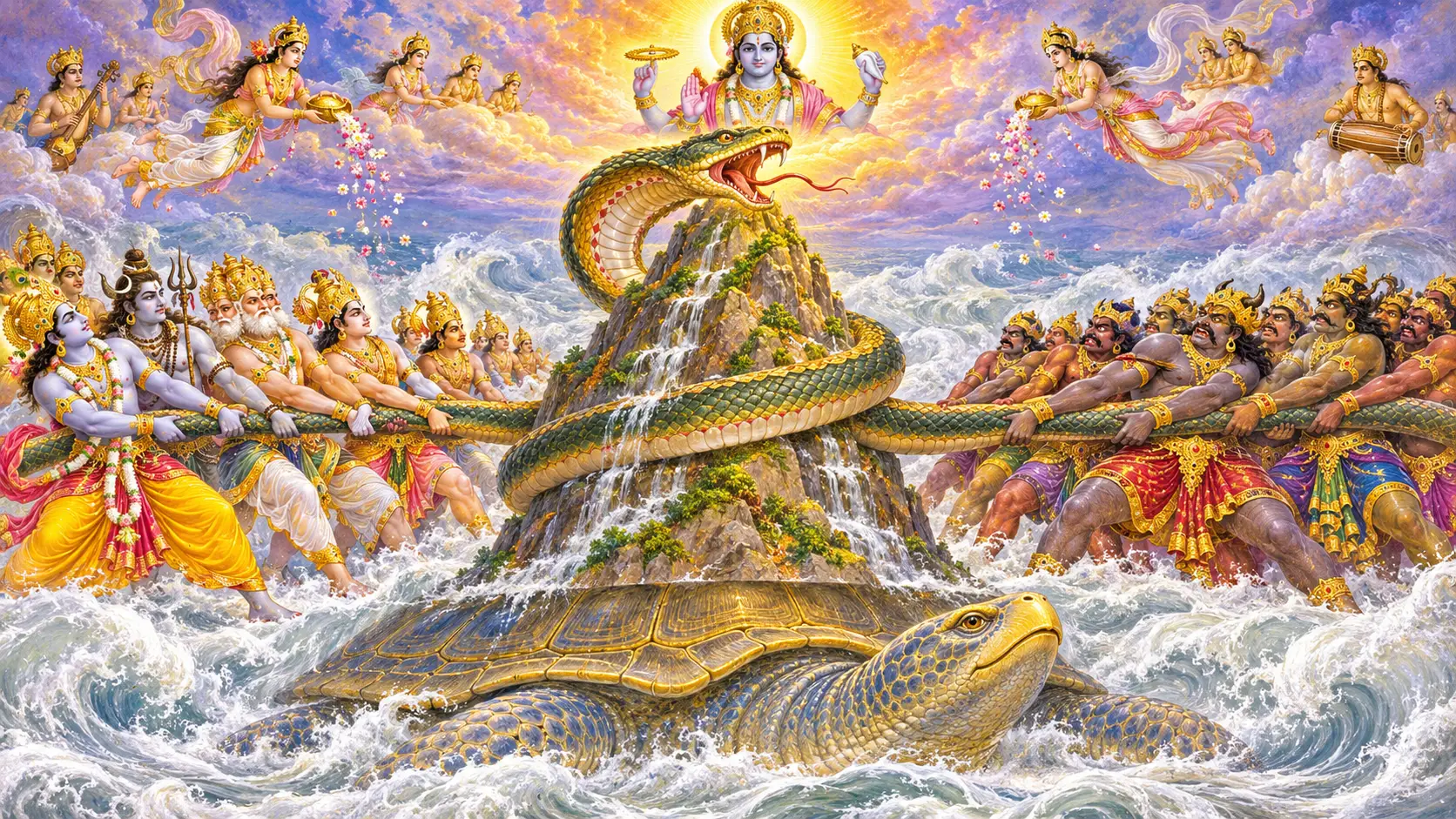
Kurma avatar story: Vishnu as the tortoise who held up Mount Mandara during the churning of the ocean, the treasures that rose from it, Shiva drinking the poison and Mohini sharing the amrita.
Who is in this story
The story
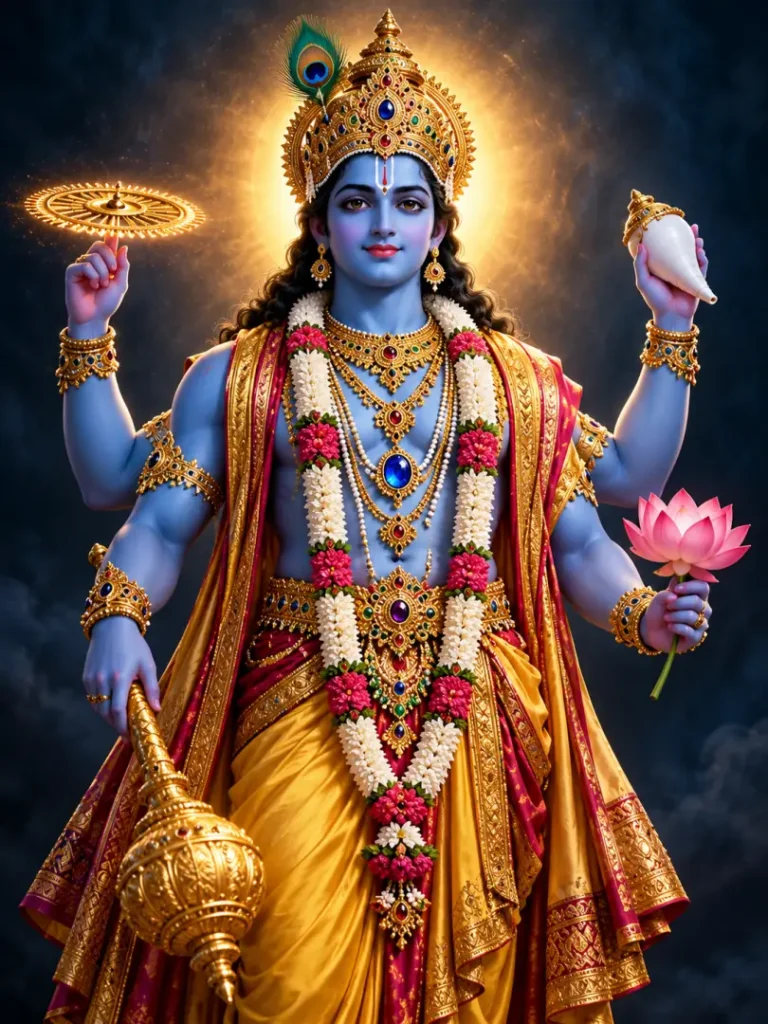
Kurma, the tortoise, is the second of Vishnu’s ten avatars. When the gods and asuras churned the ocean of milk for the nectar of immortality, the great mountain they used as a churning rod began to sink, and Vishnu took the form of a vast tortoise to hold it up on his back. This guide tells the Kurma avatar story, the treasures that rose from the churning and what the story means.
Kurma avatar story: why the ocean was churned
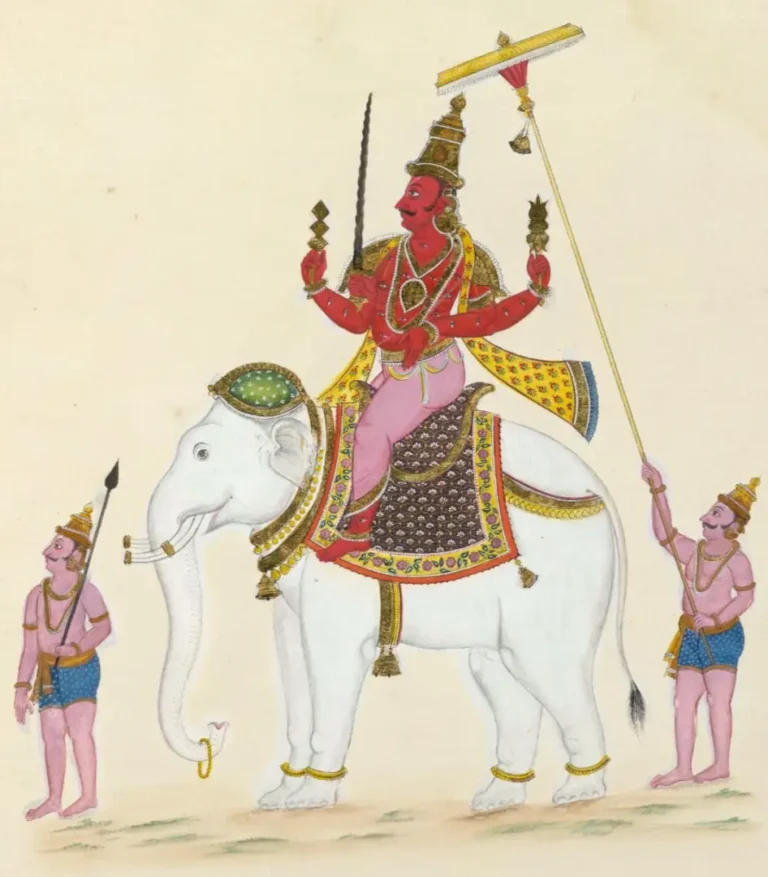
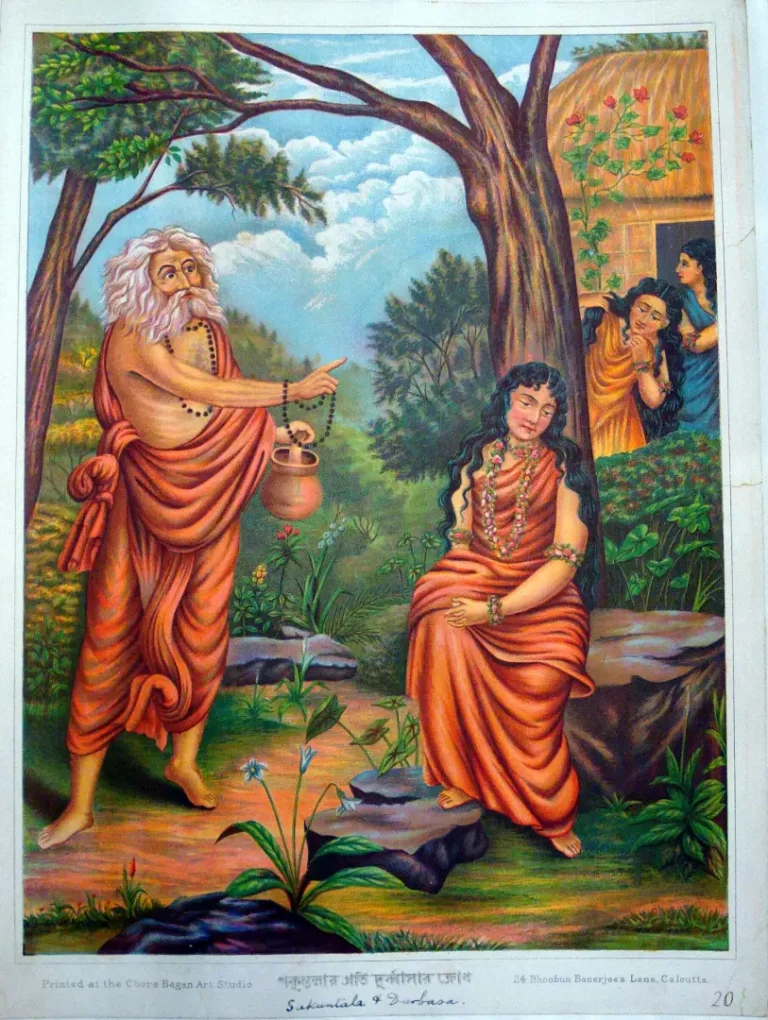
The Puranas tell that the sage Durvasa once gave a sacred garland to Indra, king of the gods. Indra placed it on his elephant Airavata, which tossed it to the ground. Offended, Durvasa cursed Indra and the gods to lose their strength and fortune. Weakened, they were defeated by the asuras. They turned to Vishnu, who advised them to churn the ocean of milk together with the asuras to obtain amrita, the nectar of immortality.
The churning and the tortoise
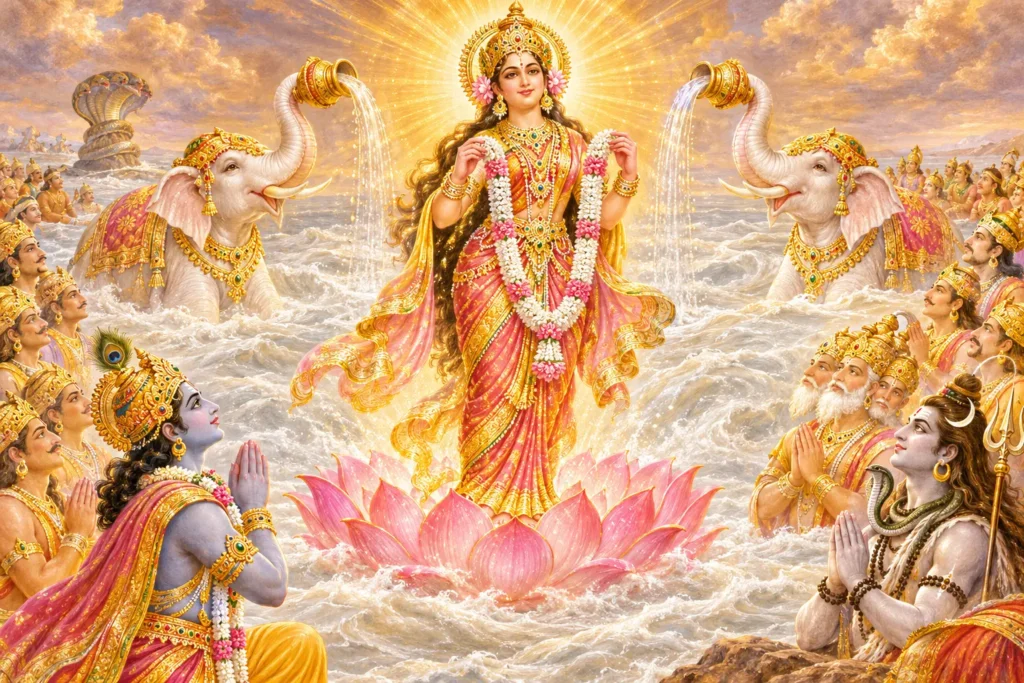
Mount Mandara was chosen as the churning rod, and the serpent king Vasuki agreed to be the rope. The gods held one end and the asuras the other. As they began to pull, the mountain started to sink into the ocean. Vishnu then took the form of Kurma, a giant tortoise, dived beneath the mountain and held it steady on his shell, so the churning could continue. The Bhagavata Purana adds that Vishnu also steadied the mountain from above and gave strength to both sides.
What rose from the ocean
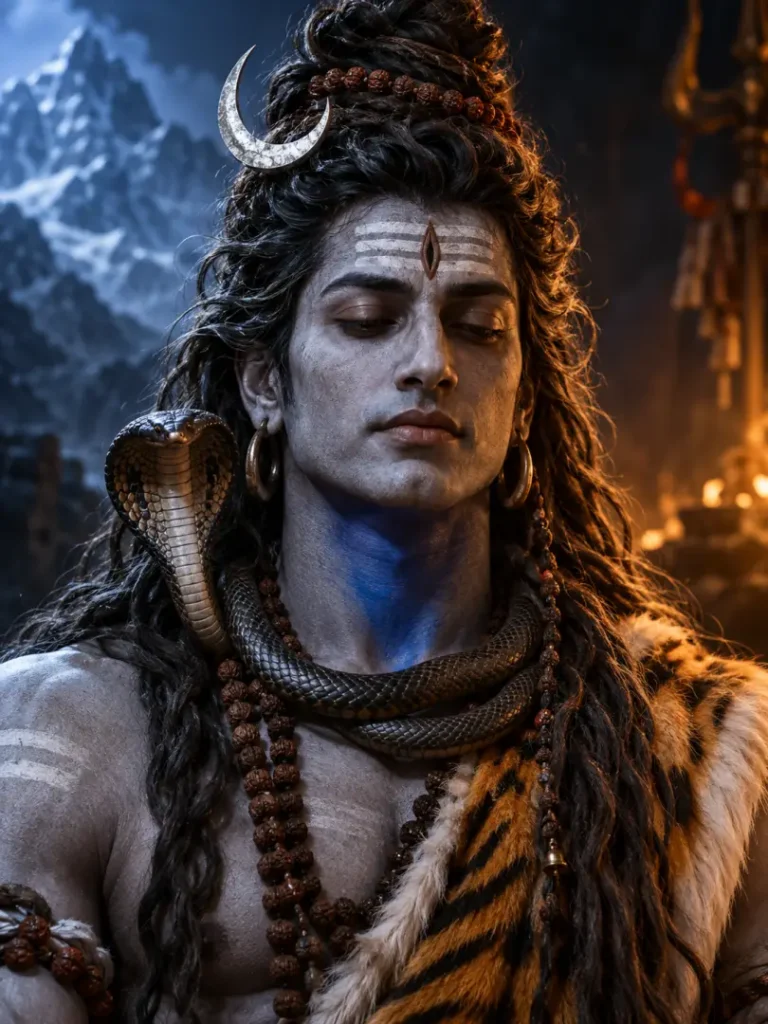
- Halahala: a deadly poison that threatened all creation. Shiva drank it and held it in his throat, which turned blue, and he became Neelakantha.
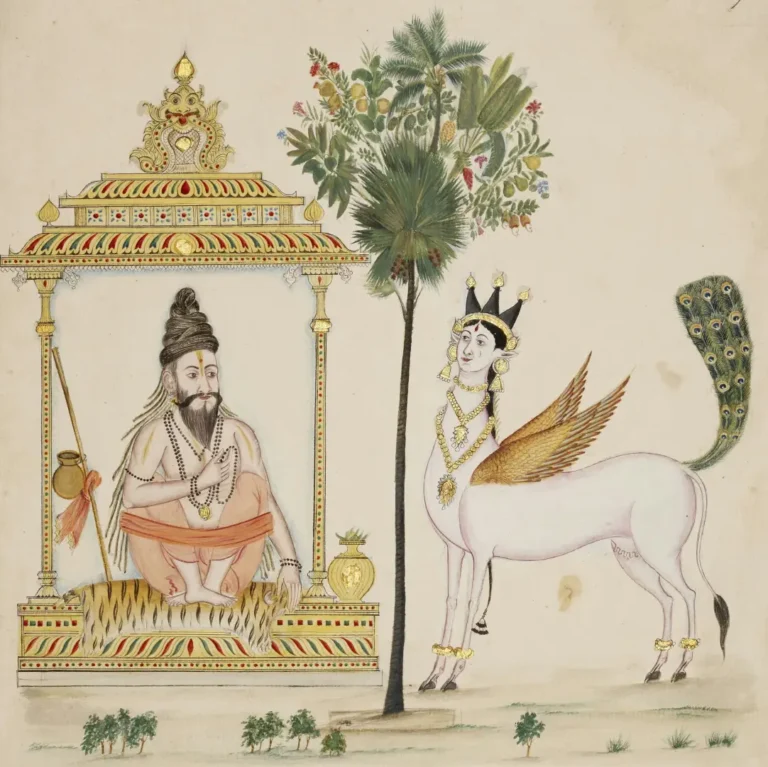
- Kamadhenu: the wish-fulfilling cow, given to the sages. See Kamadhenu.
- Uchchaihshravas and Airavata: the divine horse and the white elephant.
- Kaustubha and Kalpavriksha: the jewel worn by Vishnu and the wish-fulfilling tree.
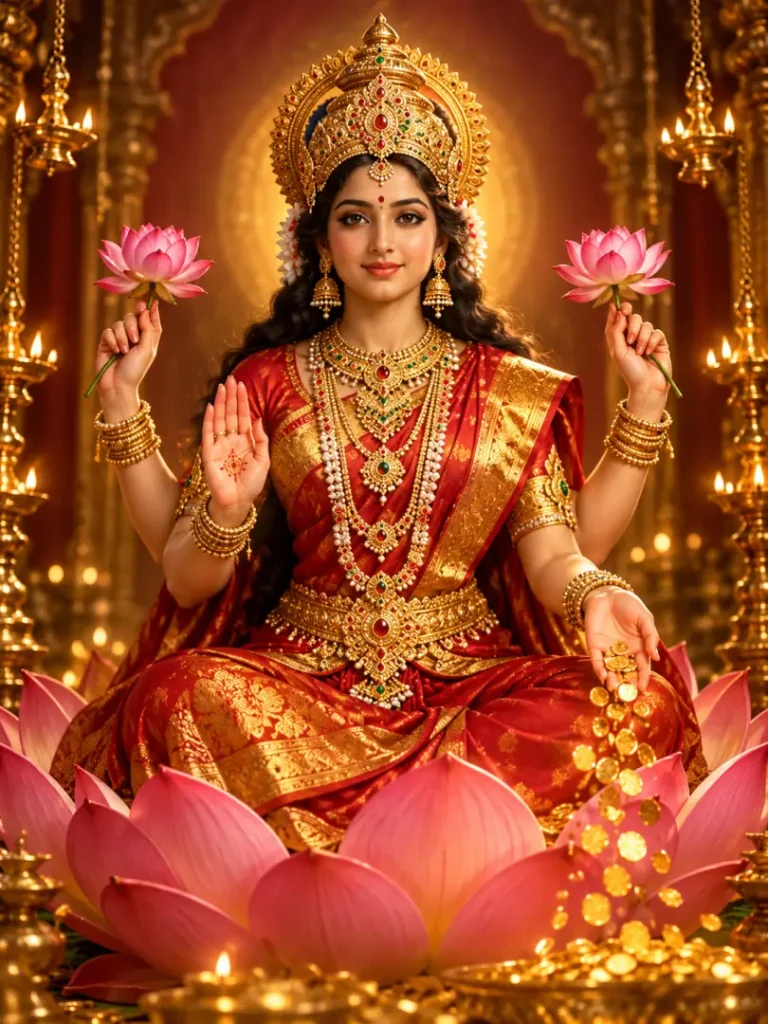
- Lakshmi: the goddess of fortune, who chose Vishnu as her consort. See Lakshmi.
- Dhanvantari: the physician of the gods, carrying the pot of amrita.
Lists of these treasures, often counted as fourteen ratnas, vary between texts.
Mohini and the nectar
The asuras seized the pot of amrita. Vishnu then appeared as Mohini, an enchanting woman, and offered to share it fairly. While the asuras watched her, she served the nectar to the gods. One asura, Svarbhanu, slipped into the line and drank, but the Sun and Moon pointed him out, and Vishnu cut off his head with the discus. Because he had tasted amrita, his head and body survived as Rahu and Ketu, who are said to swallow the Sun and Moon at eclipses.
Where to read it and where Kurma is worshipped
The churning of the ocean is told in the Adi Parva of the Mahabharata, the Vishnu Purana and the Bhagavata Purana, Book 8. Kurma Jayanti is observed on Vaishakha Purnima, and the Srikurmam temple in Andhra Pradesh is one of the rare temples dedicated to Vishnu as the tortoise.
What the Kurma avatar teaches
Kurma does not fight or speak. He simply holds up the world’s effort from below, so that the work can go on. Many readers see in him the steady support that makes every great task possible, and in the churning a picture of how striving brings out both poison and nectar.
Frequently asked questions
What is the Kurma avatar?
Kurma is Vishnu’s second avatar, a giant tortoise who held Mount Mandara on his back so the gods and asuras could churn the ocean of milk.
Why was the ocean churned?
The churning was undertaken to obtain amrita, the nectar of immortality, after Durvasa’s curse left the gods weakened.
Where is the Kurma temple?
Srikurmam in Andhra Pradesh is one of the rare temples dedicated to Vishnu as Kurma.
Sources and further reading
- Hindu texts index, Sacred Texts (Mahabharata, Puranas)
- Mahabharata, Adi Parva; Vishnu Purana 1.9; Bhagavata Purana, Book 8
- The Mahabharata, K. M. Ganguli translation (Sacred Texts)
- Vishnu Purana, H. H. Wilson translation (Sacred Texts)
Read our editorial policy on how scripture, Purana and folk tradition are labelled.