Quick answer
The 100 Kauravas explained: how Dhritarashtra and Gandhari's sons were born, the best-known brothers, Yuyutsu and Dushala, and who survived the Mahabharata war.
Who is in this story

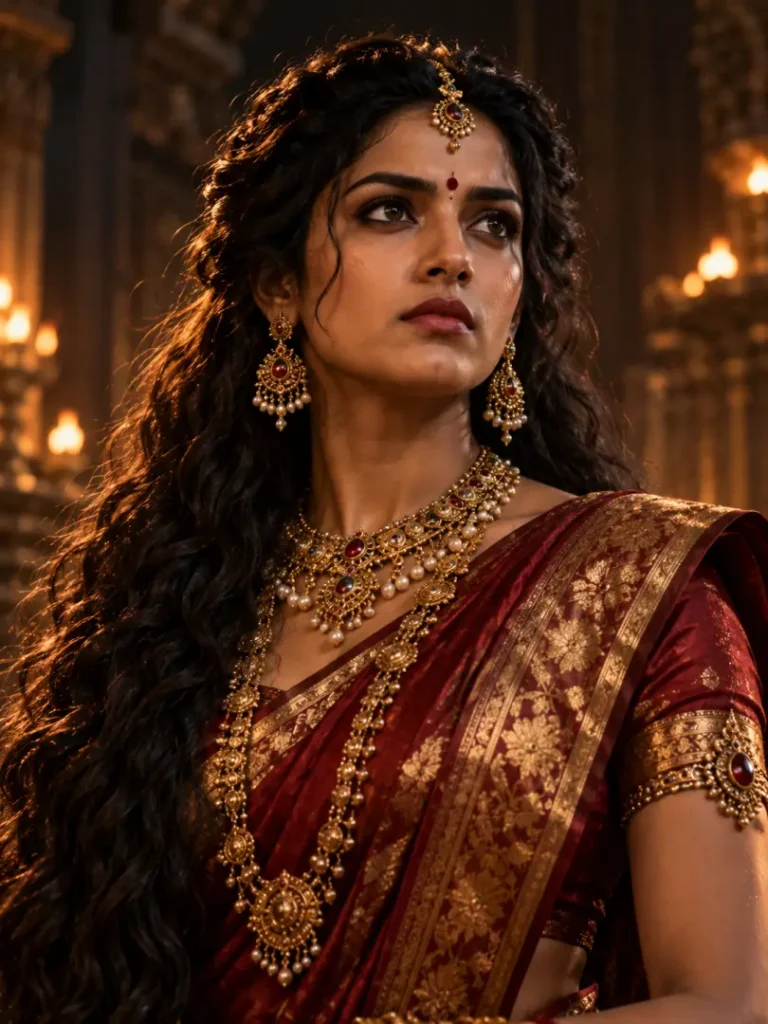
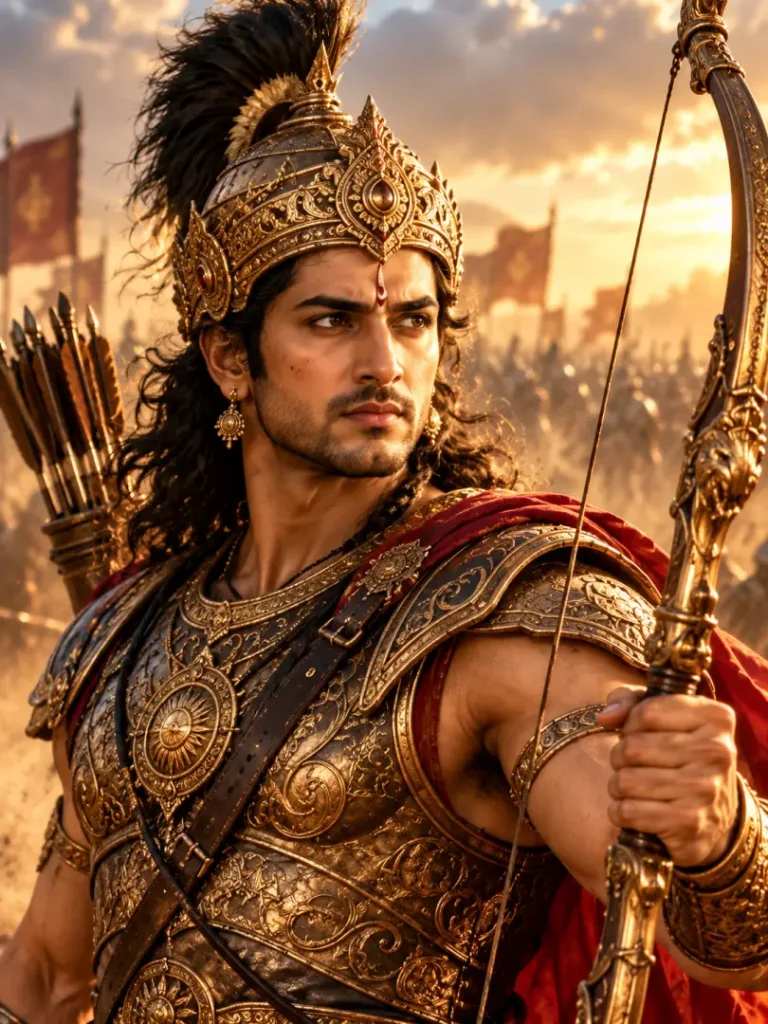
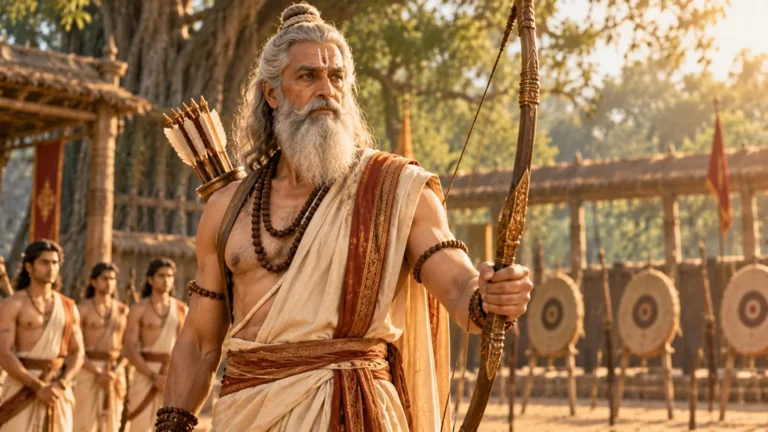
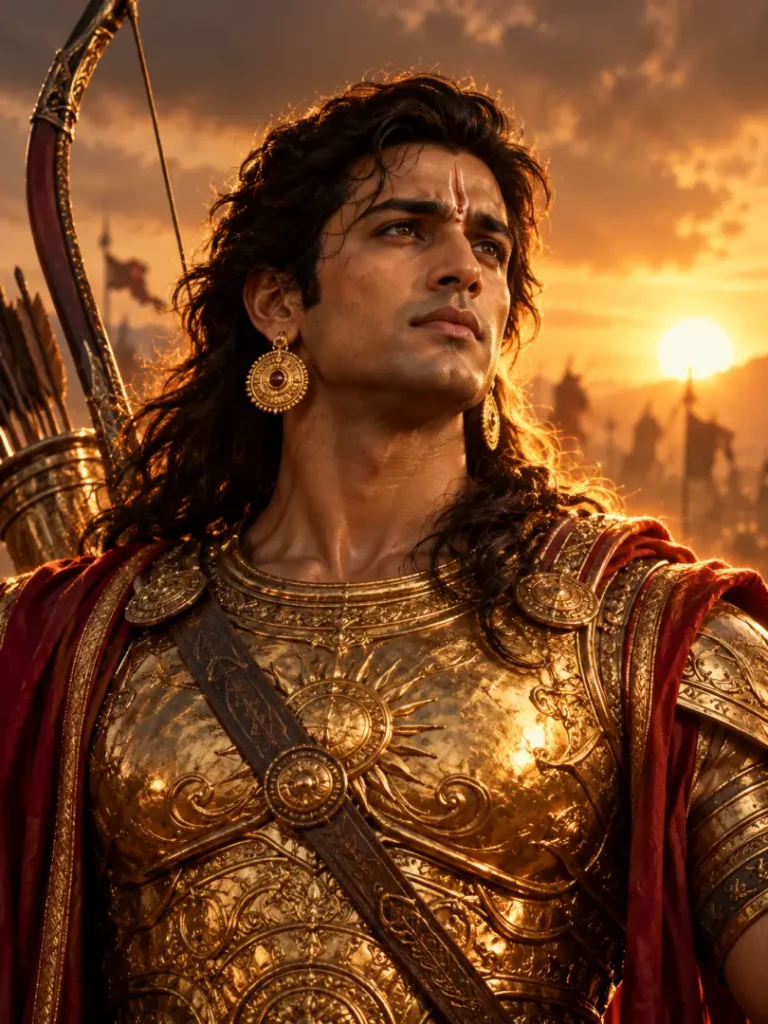
The story
King Dhritarashtra of Hastinapura had a hundred sons with Queen Gandhari, known together as the Kauravas, as well as a daughter, Dushala, and a son Yuyutsu by another woman. Most readers know only Duryodhana and Dushasana, so this guide explains how the 100 Kauravas were born, who the best-known brothers were, which of Dhritarashtra’s children survived the war, and why the full list of names differs between versions of the Mahabharata.
How the 100 Kauravas were born
Gandhari was granted a boon by the sage Vyasa that she would have a hundred sons. Her pregnancy lasted two years, and when Kunti gave birth to Yudhishthira first, Gandhari in frustration struck her womb and delivered a hard mass of flesh. Vyasa had the mass divided into 101 parts and placed in pots of ghee. In time, a hundred sons emerged from the pots, beginning with Duryodhana, and the last became a daughter, Dushala. At Duryodhana’s birth, the Adi Parva says, ill omens appeared, and Vidura advised that the child be given up for the good of the family. Dhritarashtra could not do it.
Yuyutsu and Dushala
- Yuyutsu: born to Dhritarashtra and a maid who served him during Gandhari’s long pregnancy. Before the war he crossed over to the Pandava side, and he was the only son of Dhritarashtra to survive Kurukshetra.
- Dushala: the only daughter, married to Jayadratha, king of Sindhu, who was killed by Arjuna on the fourteenth day of the war.
The best-known Kaurava brothers
- Duryodhana: the eldest and leader, whose rivalry with the Pandavas drives the epic. He fell to Bhima’s mace on the eighteenth day.
- Dushasana: the second son, who dragged Draupadi into the assembly hall. Bhima fulfilled his vow against him on the sixteenth day.
- Vikarna: the brother who spoke up for Draupadi in the dice hall and said the game was unjust. He still fought for his brothers and was killed by Bhima, who regretted it.
- Durmukha, Dussaha and Chitrasena: warriors named often in the battle books.
The full list of names
The Adi Parva gives the hundred names of the Kauravas, but the list is not identical in every manuscript. Names are repeated, spelled differently or replaced, and some versions count Yuyutsu among them while others do not. Readers who want the full list should consult the Adi Parva directly, such as the Critical Edition or K. M. Ganguli’s English translation, and expect small differences between editions.
What happened to Dhritarashtra’s sons
Bhima had vowed to destroy the sons of Dhritarashtra after the humiliation of Draupadi, and the Mahabharata credits him with killing most of them during the eighteen days of war. By the end, only Yuyutsu survived. When the Pandavas left for their final journey, they entrusted the young king Parikshit to Yuyutsu’s care.
Why the Kauravas matter
The hundred brothers show how loyalty to one leader can carry a whole family to ruin, while Vikarna and Yuyutsu show that a single voice of conscience is still possible. Dhritarashtra’s love for his sons, and his inability to restrain Duryodhana, is one of the epic’s central tragedies. To read more, start with the Mahabharata library, and see who the real hero of the Mahabharata is and how Dronacharya fell. For Krishna‘s role in the war, see his page.
Frequently asked questions
How many children did Dhritarashtra have?
Dhritarashtra had a hundred sons with Gandhari, the Kauravas, plus a daughter Dushala and a son Yuyutsu by a maid.
Which son of Dhritarashtra survived the war?
Only Yuyutsu, who joined the Pandavas before the war, survived Kurukshetra.
How were the 100 Kauravas born?
Vyasa divided Gandhari’s mass of flesh into 101 parts kept in pots of ghee, from which a hundred sons and a daughter were born.
Sources and further reading
- Mahabharata, Drona Parva, translated by K. M. Ganguli (Section CVIII)
- Mahabharata, Adi Parva (birth of the Kauravas) and later parvas
Read our editorial policy on how scripture, Purana and folk tradition are labelled.