Skip to content
Bala Kanda Sarga 22 of 77 23 shlokas
Valmiki Ramayana · Bala Kanda · Sarga 22

Bala and Atibala

बालकांड, सर्ग 22: बला और अतिबला

Dasharatha sends Rama and Lakshmana with Vishwamitra. On the bank of the Sarayu the sage teaches Rama the mantras bala and atibala, which keep hunger, thirst and fatigue away.

दशरथ राम और लक्ष्मण को विश्वामित्र के साथ भेजते हैं। सरयू के तट पर ऋषि राम को बला और अतिबला मंत्र सिखाते हैं, जिनसे भूख, प्यास और थकान दूर रहती है।

1 1.22.1

तथा वसिष्ठे ब्रुवति राजा दशरथस्सुतम प्रहृष्टवदनो राममाजुहाव सलक्ष्मणम् ॥

tathā vasiṣṭhe bruvati rājā daśarathassutama prahṛṣṭavadano rāmamājuhāva salakṣmaṇam ||

हिंदी अर्थ

वसिष्ठ के ऐसा कहने पर प्रसन्न मुख राजा दशरथ ने अपने पुत्र राम को लक्ष्मण सहित बुलाया।

English meaning

As Vasishtha spoke this way, King Dasharatha, his face bright with joy, called for his son Rama together with Lakshmana.

2-3 1.22.2-3

कृतस्वस्त्ययनं मात्रा पित्रा दशरथेन च ।
पुरोधसा वसिष्ठेन मङ्गलैरभिमन्त्रितम् ।
स पुत्रं मूर्ध्न्युपाघ्राय राजा दशरथः प्रियम् ।
ददौ कुशिकपुत्राय सुप्रीतेनान्तरात्मना ॥

kṛtasvastyayanaṃ mātrā pitrā daśarathena ca |
purodhasā vasiṣṭhena maṅgalairabhimantritam |
sa putraṃ mūrdhnyupāghrāya rājā daśarathaḥ priyam |
dadau kuśikaputrāya suprītenāntarātmanā ||

हिंदी अर्थ

माता और पिता दशरथ ने उनकी यात्रा के लिए स्वस्तिवाचन किया, और पुरोहित वसिष्ठ ने मंगल मंत्रों से उन्हें अभिमंत्रित किया। राजा दशरथ ने अपने प्रिय पुत्र का सिर सूँघकर प्रसन्न मन से उन्हें कुशिकपुत्र को सौंप दिया।

English meaning

His mother and his father Dasharatha performed the blessing rites for his journey, and the priest Vasishtha consecrated him with auspicious mantras. King Dasharatha kissed his beloved son on the head and, with a contented heart, gave him to the son of Kushika.

4 1.22.4

ततो वायुस्सुखस्पर्शो नीरजस्को ववौ तदा ।
विश्वामित्रगतं दृष्ट्वा रामं राजीवलोचनम् ॥

tato vāyussukhasparśo nīrajasko vavau tadā |
viśvāmitragataṃ dṛṣṭvā rāmaṃ rājīvalocanam ||

हिंदी अर्थ

तब कमलनयन राम को विश्वामित्र के साथ जाते देखकर धूल रहित, सुखद स्पर्श वाली वायु बहने लगी।

English meaning

Then, seeing lotus eyed Rama go with Vishvamitra, a dustless wind blew, pleasant to the touch.

5 1.22.5

पुष्पवृष्टिर्महत्यासीद्देवदुन्दुभिनिस्वनैः ।
शङ्खदुन्दुभिनिर्घोषः प्रयाते तु महात्मनि ॥

puṣpavṛṣṭirmahatyāsīddevadundubhinisvanaiḥ |
śaṅkhadundubhinirghoṣaḥ prayāte tu mahātmani ||

हिंदी अर्थ

उन महात्मा के प्रस्थान करते समय फूलों की भारी वर्षा हुई, देवताओं की दुंदुभियाँ बजीं और शंखों तथा नगाड़ों का घोष हुआ।

English meaning

As the great souled one set out there was a great rain of flowers, with the sound of the gods' drums and the blare of conches and kettledrums.

6 1.22.6

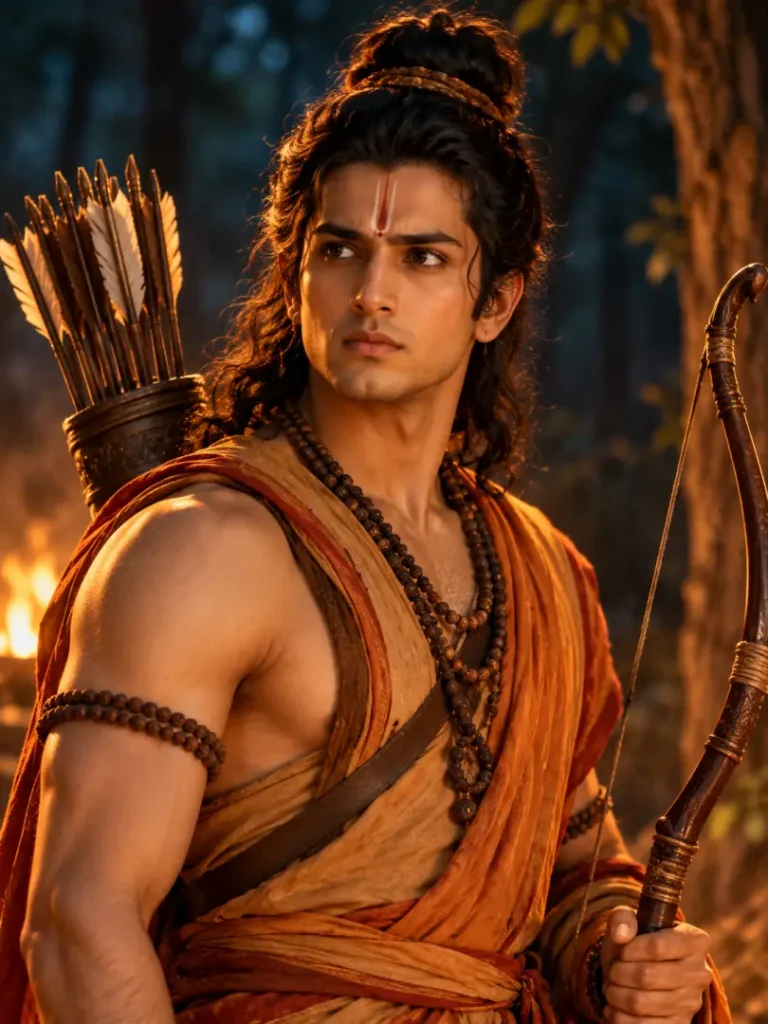
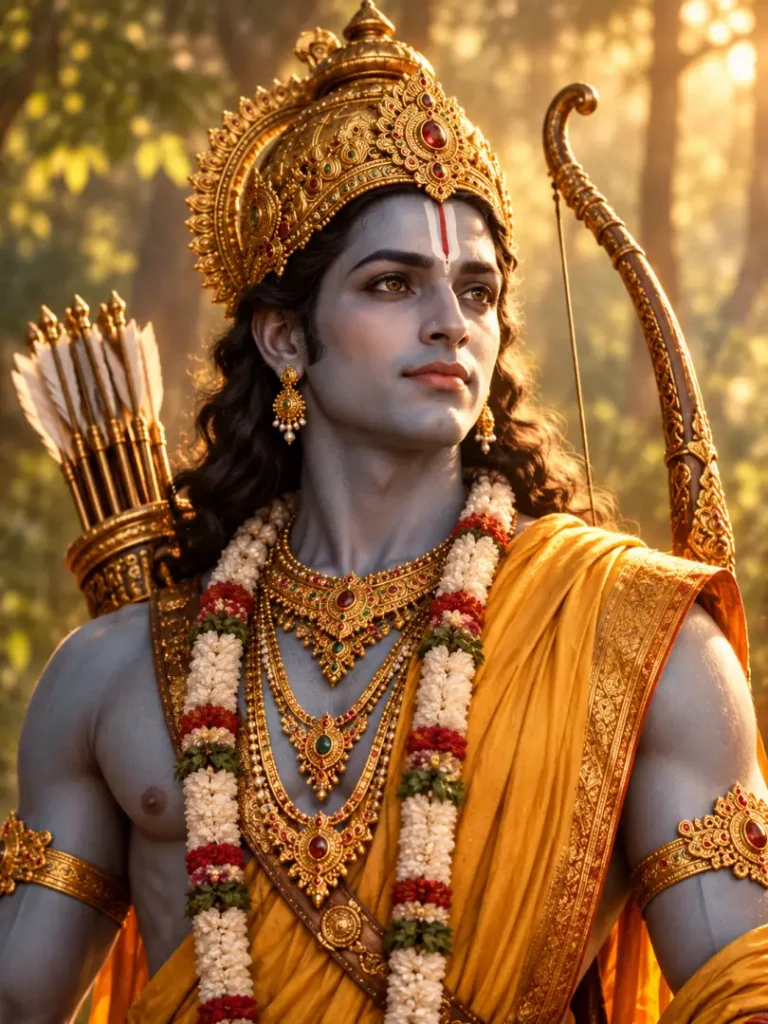
विश्वामित्रो ययावग्रे ततो रामो धनुर्धरः ।
काकपक्षधरो धन्वी तं च सौमित्रिरन्वगात् ॥

viśvāmitro yayāvagre tato rāmo dhanurdharaḥ |
kākapakṣadharo dhanvī taṃ ca saumitriranvagāt ||

हिंदी अर्थ

आगे विश्वामित्र चले, फिर काकपक्षधारी धनुर्धर राम, और उनके पीछे लक्ष्मण।

English meaning

Vishvamitra went in front, then Rama with his bow, wearing the side locks of a boy, and Lakshmana followed him.

7 1.22.7

कलापिनौ धनुष्पाणी शोभमानौ दिशो दश ।
विश्वामित्रं महात्मानं त्रिशीर्षाविव पन्नगौ ।
अनुजग्मतुरक्षुद्रौ पितामहमिवाश्विनौ ॥

kalāpinau dhanuṣpāṇī śobhamānau diśo daśa |
viśvāmitraṃ mahātmānaṃ triśīrṣāviva pannagau |
anujagmaturakṣudrau pitāmahamivāśvinau ||

हिंदी अर्थ

पीठ पर तरकश और हाथ में धनुष लिए, दसों दिशाओं को शोभित करते वे दोनों उदार बालक महात्मा विश्वामित्र के पीछे ऐसे चले जैसे तीन फन वाले दो सर्प, या जैसे पितामह के पीछे अश्विनीकुमार।

English meaning

With quivers on their backs and bows in hand, lighting up the ten directions, the two noble boys followed the great souled Vishvamitra like two three hooded serpents, or like the Ashvins following the Grandsire.

8-10 1.22.8-10

तदा कुशिकपुत्रं तु धनुष्पाणी स्वलङ्कृतौ ।
बद्धगोधाङ्गुलित्राणौ खड्गवन्तौ महाद्युती ।
कुमारौ चारुवपुषौ भ्रातरौ रामलक्ष्मणौ ।
अनुयातौ श्रिया दीप्तौ शोभयेतामनिन्दितौ ।
स्थाणुं देवमिवाचिन्त्यं कुमाराविव पावकी ॥

tadā kuśikaputraṃ tu dhanuṣpāṇī svalaṅkṛtau |
baddhagodhāṅgulitrāṇau khaḍgavantau mahādyutī |
kumārau cāruvapuṣau bhrātarau rāmalakṣmaṇau |
anuyātau śriyā dīptau śobhayetāmaninditau |
sthāṇuṃ devamivācintyaṃ kumārāviva pāvakī ||

हिंदी अर्थ

हाथ में धनुष लिए, सुंदर आभूषणों से सजे, गोह चर्म के अंगुलित्राण और तलवारें धारण किए, वे दोनों तेजस्वी राजकुमार, सुंदर भाई राम और लक्ष्मण, शोभा से दीप्त और निर्दोष होकर कुशिकपुत्र के पीछे चलते हुए उन्हें वैसे ही शोभित कर रहे थे जैसे अग्नि के दो पुत्र अचिंत्य देव स्थाणु को।

English meaning

Bows in hand and finely adorned, with lizard skin finger guards and swords, the two radiant princes, the handsome brothers Rama and Lakshmana, shining with glory and beyond reproach, followed the son of Kushika and graced him, as the two sons of Agni grace the unfathomable god Sthanu.

11 1.22.11

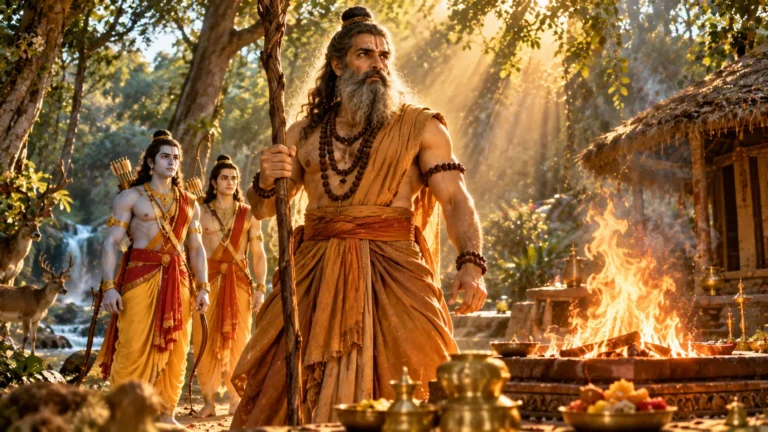
अध्यर्धयोजनं गत्वा सरय्वा दक्षिणे तटे ।
रामेति मधुरां वाणीं विश्वामित्रोऽभ्यभाषत ॥

adhyardhayojanaṃ gatvā sarayvā dakṣiṇe taṭe |
rāmeti madhurāṃ vāṇīṃ viśvāmitro'bhyabhāṣata ||

हिंदी अर्थ

डेढ़ योजन चलकर सरयू के दक्षिणी तट पर विश्वामित्र ने मधुर वाणी में पुकारा: राम।

English meaning

After going a yojana and a half, on the southern bank of the Sarayu, Vishvamitra called in a sweet voice: Rama.

12 1.22.12

गृहाण वत्स सलिलं मा भूत्कालस्य पर्ययः ।
मन्त्रग्रामं गृहाण त्वं बलामतिबलां तथा ॥

gṛhāṇa vatsa salilaṃ mā bhūtkālasya paryayaḥ |
mantragrāmaṃ gṛhāṇa tvaṃ balāmatibalāṃ tathā ||

हिंदी अर्थ

वत्स, जल लो और समय न बीतने दो। मुझसे बला और अतिबला नाम का मंत्रसमूह ग्रहण करो।

English meaning

Take water, child, and let no time be lost. Receive from me the group of mantras called Bala and Atibala.

13 1.22.13

न श्रमो न ज्वरो वा ते न रूपस्य विपर्ययः ।
न च सुप्तं प्रमत्तं वा धर्षयिष्यन्ति नैऱृताः ॥

na śramo na jvaro vā te na rūpasya viparyayaḥ |
na ca suptaṃ pramattaṃ vā dharṣayiṣyanti naiऱṛtāḥ ||

हिंदी अर्थ

तुम्हें न थकान होगी, न ज्वर, न तुम्हारे रूप में कोई विकार आएगा, और सोते हुए या असावधान होने पर भी राक्षस तुम्हें दबा नहीं सकेंगे।

English meaning

You will feel no fatigue or fever, your form will not change, and the rakshasas will not overpower you even when you are asleep or off guard.

14 1.22.14

न बाह्वोस्सदृशो वीर्ये पृथिव्यामस्ति कश्चन ।
त्रिषु लोकेषु वै राम न भवेत्सदृशस्तव ॥

na bāhvossadṛśo vīrye pṛthivyāmasti kaścana |
triṣu lokeṣu vai rāma na bhavetsadṛśastava ||

हिंदी अर्थ

हे राम, पृथ्वी पर कोई तुम्हारी भुजाओं के बल की बराबरी नहीं कर सकेगा; तीनों लोकों में तुम्हारे समान कोई नहीं होगा।

English meaning

No one on earth will equal the strength of your arms, Rama; in the three worlds there will be none like you.

15 1.22.15

न सौभाग्ये न दाक्षिण्ये न ज्ञाने बुद्धिनिश्चये ।
नोत्तरे प्रतिवक्तव्ये समो लोके तवाऽनघ ॥

na saubhāgye na dākṣiṇye na jñāne buddhiniścaye |
nottare prativaktavye samo loke tavā'nagha ||

हिंदी अर्थ

हे निष्पाप, सौभाग्य, शिष्टता, ज्ञान, बुद्धि के निश्चय और उत्तर देने में संसार में कोई तुम्हारे समान नहीं होगा।

English meaning

Sinless one, none in the world will equal you in charm, in courtesy, in knowledge, in firm judgement or in giving answers.

16 1.22.16

एतद्विद्याद्वये लब्धे भविता नास्ति ते समः ।
बलात्वतिबला चैव सर्वज्ञानस्य मातरौ ॥

etadvidyādvaye labdhe bhavitā nāsti te samaḥ |
balātvatibalā caiva sarvajñānasya mātarau ||

हिंदी अर्थ

ये दोनों विद्याएँ पा लेने पर तुम्हारे समान कोई नहीं रहेगा। बला और अतिबला सब ज्ञान की माताएँ हैं।

English meaning

Once you have these two vidyas, none will be your equal. Bala and Atibala are the mothers of all knowledge.

17 1.22.17

क्षुत्पिपासे न ते राम भविष्येते नरोत्तम ।
बलामतिबलां चैव पठतः पथि राघव ॥

kṣutpipāse na te rāma bhaviṣyete narottama |
balāmatibalāṃ caiva paṭhataḥ pathi rāghava ||

हिंदी अर्थ

हे नरश्रेष्ठ राघव, मार्ग में बला और अतिबला का पाठ करते हुए तुम्हें भूख और प्यास नहीं लगेगी।

English meaning

Best of men, Raghava, as you recite Bala and Atibala on the road you will feel neither hunger nor thirst.

18 1.22.18

विद्याद्वयमधीयाने यशश्चाप्यतुलं त्वयि ।
पितामहसुते ह्येते विद्ये तेजस्समन्विते ।
प्रदातुं तव काकुत्स्थ सदृशस्त्वं हि धार्मिक ॥

vidyādvayamadhīyāne yaśaścāpyatulaṃ tvayi |
pitāmahasute hyete vidye tejassamanvite |
pradātuṃ tava kākutstha sadṛśastvaṃ hi dhārmika ||

हिंदी अर्थ

इन दोनों विद्याओं का अध्ययन करने से तुम्हें अतुल यश मिलेगा। ये तेजस्वी विद्याएँ पितामह की पुत्रियाँ हैं, और हे धर्मात्मा काकुत्स्थ, तुम इन्हें पाने के योग्य हो।

English meaning

Studying these two, you will gain matchless fame. These radiant vidyas are daughters of the Grandsire, and you, righteous Kakutstha, are worthy to receive them.

19 1.22.19

कामं बहुगुणास्सर्वे त्वय्येते नात्र संशयः ।
तपसा सम्भृते चैते बहुरूपे भविष्यतः ॥

kāmaṃ bahuguṇāssarve tvayyete nātra saṃśayaḥ |
tapasā sambhṛte caite bahurūpe bhaviṣyataḥ ||

हिंदी अर्थ

ये सब अनेक गुण निश्चय ही तुममें पहले से हैं, इसमें संदेह नहीं। तप से पुष्ट होकर ये विद्याएँ अनेक प्रकार से फल देंगी।

English meaning

All these many virtues are surely in you already, there is no doubt. Nourished by penance, these vidyas will bear fruit in many ways.

20 1.22.20

ततो रामो जलं स्पृष्ट्वा प्रहृष्टवदनश्शुचिः ।
प्रतिजग्राह ते विद्ये महर्षेर्भावितात्मनः ॥

tato rāmo jalaṃ spṛṣṭvā prahṛṣṭavadanaśśuciḥ |
pratijagrāha te vidye maharṣerbhāvitātmanaḥ ||

हिंदी अर्थ

तब राम ने जल का स्पर्श किया, और पवित्र तथा प्रसन्न मुख होकर उन आत्मज्ञानी महर्षि से वे दोनों विद्याएँ ग्रहण कीं।

English meaning

Then Rama touched water, and pure and smiling, received those two vidyas from the great sage whose mind was perfected.

21-22 1.22.21-22

विद्यासमुदितो रामश्शुशुभे भूरिविक्रमः ।
सहस्ररश्मिर्भगवान् शरदीव दिवाकरः ।
गुरुकार्याणि सर्वाणि नियुज्य कुशिकात्मजे ।
ऊषुस्तां रजनीं तत्र सरय्वां सुसुखं त्रयः ॥

vidyāsamudito rāmaśśuśubhe bhūrivikramaḥ |
sahasraraśmirbhagavān śaradīva divākaraḥ |
gurukāryāṇi sarvāṇi niyujya kuśikātmaje |
ūṣustāṃ rajanīṃ tatra sarayvāṃ susukhaṃ trayaḥ ||

हिंदी अर्थ

विद्याओं से युक्त होकर महापराक्रमी राम शरद ऋतु के सहस्ररश्मि सूर्य की तरह चमके। कुशिकपुत्र के प्रति गुरु की सब सेवाएँ करके वे तीनों उस रात सरयू के तट पर बहुत सुख से रहे।

English meaning

Endowed with the vidyas, Rama of great valour shone like the thousand rayed sun in autumn. Having done every service due to the son of Kushika as his teacher, the three spent that night very happily there on the Sarayu.

23 1.22.23

दशरथनृपसूनुसत्तमाभ्यां तृणशयनेऽनुचिते सहोषिताभ्याम् ।
कुशिकसुतवचोऽनुलालिताभ्यां सुखमिव सा विबभौ विभावरी च ॥

daśarathanṛpasūnusattamābhyāṃ tṛṇaśayane'nucite sahoṣitābhyām |
kuśikasutavaco'nulālitābhyāṃ sukhamiva sā vibabhau vibhāvarī ca ||

हिंदी अर्थ

राजा दशरथ के वे दोनों श्रेष्ठ पुत्र घास के ऐसे बिछौने पर साथ सोए जिसके वे अभ्यस्त नहीं थे, फिर भी कुशिकपुत्र के स्नेह भरे वचनों से वह रात उन्हें सुखद लगी।

English meaning

For the two noble sons of King Dasharatha, lying together on a bed of grass they were not used to, yet cherished by the words of the son of Kushika, that night passed as if in comfort.
Next sarga · Bala Kanda 23The Hermitage of KamaThe three reach the meeting of the Sarayu and the Ganga and stay at the hermitage where Shiva once burned Kamadeva to ashes. Vishwamitra tells the…

Characters in this sarga

All characters