कदाचिदप्यहं वीर्यात्पर्यटन्पृथिवीमिमाम् ।
kadācidapyahaṃ vīryātparyaṭanpṛthivīmimām |
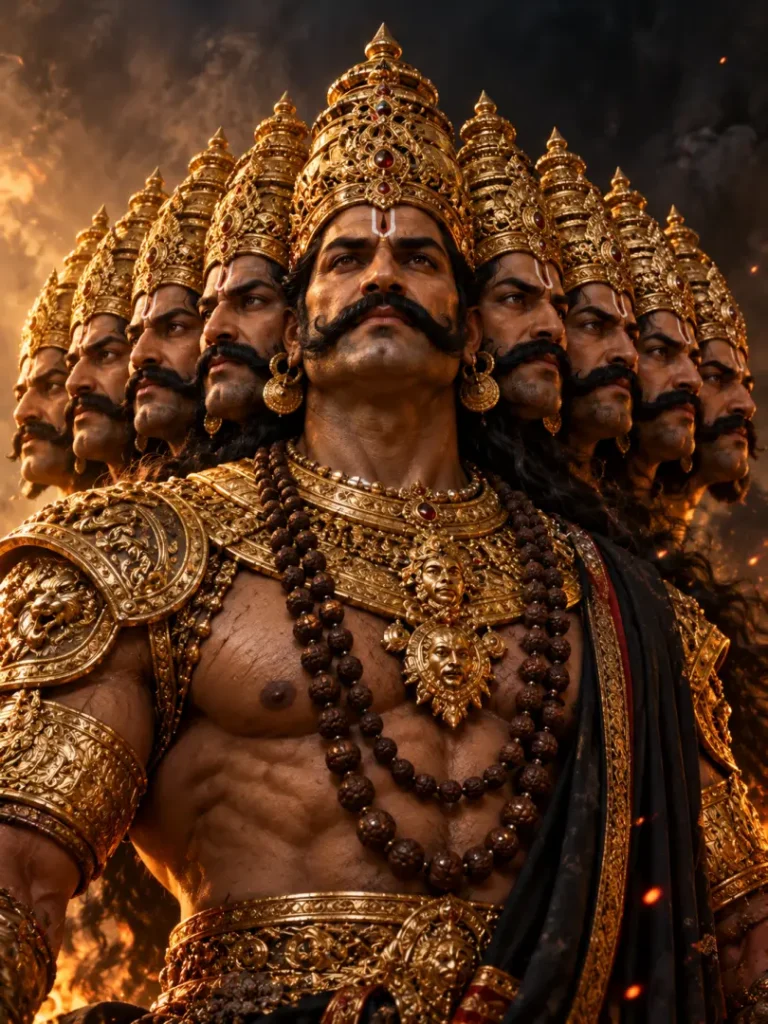
हिंदी अर्थ एक समय मैं अपने बल के घमंड में इस पृथ्वी पर घूमता था। मुझमें हजार हाथियों का बल था, मैं पर्वत के समान विशाल, नीले मेघ के समान काला, तपे सोने के कुंडल पहने, मुकुटधारी और परिघ लिए हुए था। संसार को भयभीत करता हुआ मैं ऋषियों का मांस खाता दंडकवन में विचरता था।
English meaning Once, proud of my strength, I roamed this earth bearing the might of a thousand elephants, huge as a mountain, dark as a blue rain cloud, with earrings of refined gold, crowned, armed with an iron club, striking fear into the world, and I wandered the Dandaka forest eating the flesh of sages.
विश्वामित्रोऽथ धर्मात्मा मद्वित्रस्तो महामुनिः ।
viśvāmitro'tha dharmātmā madvitrasto mahāmuniḥ |
हिंदी अर्थ तब मुझसे भयभीत धर्मात्मा महामुनि विश्वामित्र ने स्वयं राजा दशरथ के पास जाकर यह कहा:
English meaning Then the righteous great sage Vishvamitra, terrified of me, went himself to King Dasharatha and said this:
अद्य रक्षतु मां रामः पर्वकाले समाहितः ।
adya rakṣatu māṃ rāmaḥ parvakāle samāhitaḥ |
हिंदी अर्थ हे नरेश्वर, यज्ञ के समय राम सावधान होकर मेरी रक्षा करें, क्योंकि मुझे मारीच से घोर भय उत्पन्न हुआ है।
English meaning Let Rama, attentive, protect me now at the time of the sacrifice, O lord of men, for a dreadful fear has arisen for me from Maricha.
इत्येवमुक्तो धर्मात्मा राजा दशरथस्तदा ।
ityevamukto dharmātmā rājā daśarathastadā |
हिंदी अर्थ ऐसा कहे जाने पर धर्मात्मा राजा दशरथ ने महाभाग महामुनि विश्वामित्र को उत्तर दिया:
English meaning Thus addressed, the righteous King Dasharatha replied to the illustrious great sage Vishvamitra:
बालो द्वादशवर्षोऽयमकृतास्त्रश्च राघवः ।
bālo dvādaśavarṣo'yamakṛtāstraśca rāghavaḥ |
हिंदी अर्थ यह राघव बारह वर्ष का बालक है और अस्त्रविद्या में अभी अशिक्षित है। आप चाहें तो मेरी जो सेना है, वह मेरे साथ चलेगी।
English meaning This Raghava is a boy of twelve, untrained in weapons. But if you wish, the army that is mine will go with me.
बलेन चतुरङ्गेण स्वयमेत्य निशाचरान् ।
balena caturaṅgeṇa svayametya niśācarān |
हिंदी अर्थ हे मुनिश्रेष्ठ, मैं स्वयं चतुरंगिणी सेना के साथ आकर आपके मन में स्थित उन शत्रु निशाचरों का वध करूँगा।
English meaning With my fourfold army I will come myself and slay the night-rangers, the enemies you have in mind, best of sages.
इत्येवमुक्तस्समुनी राजानमिदमब्रवीत् ।
ityevamuktassamunī rājānamidamabravīt |
हिंदी अर्थ ऐसा कहे जाने पर मुनि ने राजा से कहा: संसार में राम के अतिरिक्त कोई और बल उस राक्षस के लिए पर्याप्त नहीं है।
English meaning Thus addressed, the sage said to the king: No force in the world other than Rama is sufficient against that rakshasa.
देवतानामपि भवान् समरेष्वभिपालकः ।
devatānāmapi bhavān samareṣvabhipālakaḥ |
हिंदी अर्थ हे राजन, आप युद्धों में देवताओं के भी रक्षक रहे हैं, और आपके किए कर्म तीनों लोकों में प्रसिद्ध हैं।
English meaning You have been the protector even of the gods in their battles, O king, and your deeds are known in the three worlds.
10-11
3.38.10-11
Copy link
काममस्तु महत्सैन्यं तिष्ठत्विह परन्तप ।
kāmamastu mahatsainyaṃ tiṣṭhatviha parantapa |
हिंदी अर्थ हे परंतप, आपकी विशाल सेना यहीं रहे। यह बालक होते हुए भी महातेजस्वी है और उस राक्षस का दमन करने में समर्थ है। मैं राम को लेकर जाऊँगा। आपका कल्याण हो।
English meaning Let your great army stay here, scorcher of foes. This boy, though young, is of great splendour and able to subdue that rakshasa. I will go taking Rama with me. May all be well with you.
एवमुक्त्वा तु स मुनिस्तमादाय नृपात्मजम् ।
evamuktvā tu sa munistamādāya nṛpātmajam |
हिंदी अर्थ ऐसा कहकर मुनि विश्वामित्र राजकुमार को साथ लेकर अत्यंत प्रसन्न होकर अपने आश्रम को चले गए।
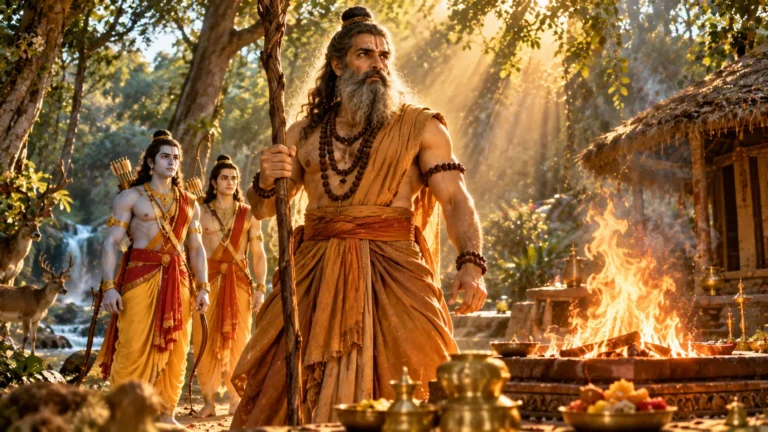
English meaning Having said this, the sage Vishvamitra took the king's son and, greatly pleased, went to his own hermitage.
तं तदा दण्डकारण्ये यज्ञमुद्दिश्य दीक्षितम् ।
taṃ tadā daṇḍakāraṇye yajñamuddiśya dīkṣitam |
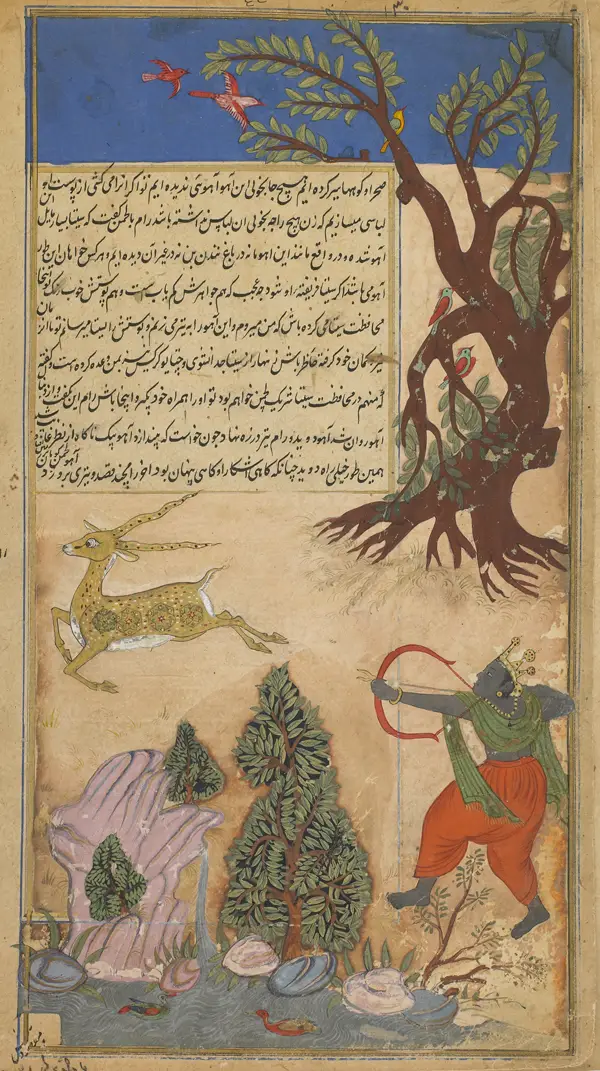
हिंदी अर्थ तब दंडकवन में, जहाँ मुनि यज्ञ के लिए दीक्षित थे, राम अपने अद्भुत धनुष की टंकार करते हुए उनके पास उपस्थित हुए।
English meaning Then in the Dandaka forest, where the sage was consecrated for the sacrifice, Rama stood by him, twanging his wonderful bow.
14-15
3.38.14-15
Copy link
अजातव्यञ्जनश्रीमान्पद्मपत्रनिभेक्षणः ।
ajātavyañjanaśrīmānpadmapatranibhekṣaṇaḥ |
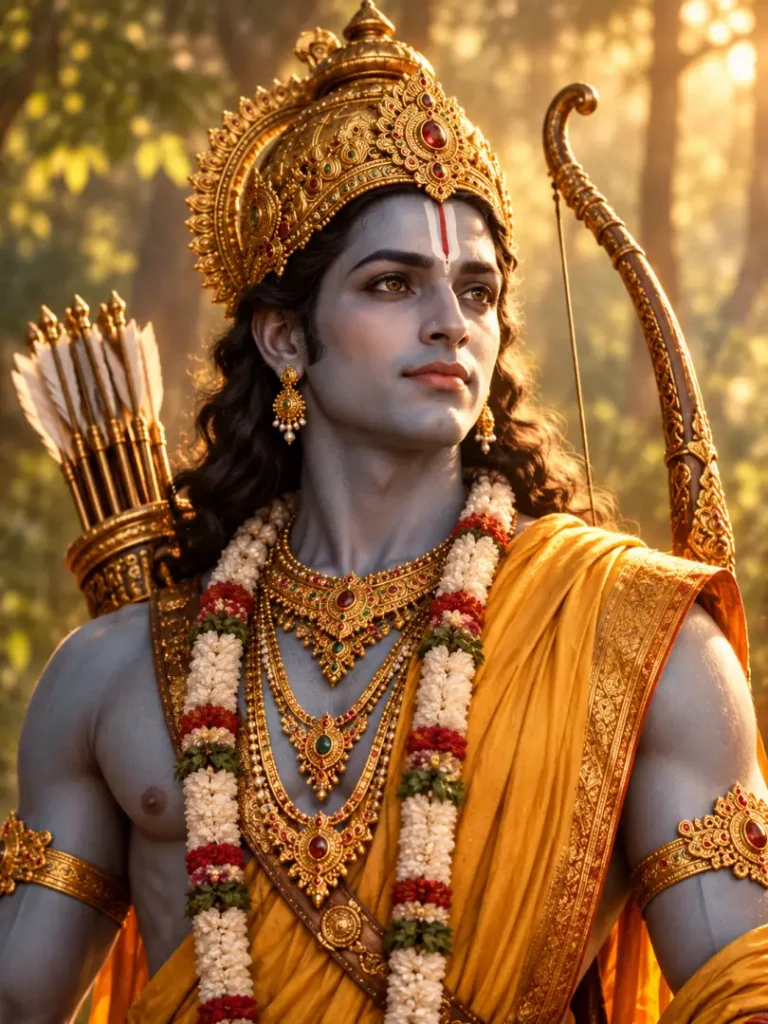
हिंदी अर्थ सुंदर, जिनके मुख पर अभी मूँछें नहीं आई थीं, कमलपत्र जैसे नेत्र वाले, एक वस्त्र धारण किए, धनुषधारी, शिखा रखे और सोने की माला पहने, अपने प्रज्वलित तेज से दंडकवन को सुशोभित करते हुए राम उदित होते बालचंद्र के समान दिखाई दिए।
English meaning Handsome, the down not yet on his face, eyes like lotus petals, wearing a single garment, holding a bow, with his hair in a tuft and a golden garland, lighting up the Dandaka forest with his own blazing splendour, Rama appeared like the newly risen crescent moon.
ततोऽहं मेघसङ्काशस्तप्तकाञ्चनकुण्डलः ।
tato'haṃ meghasaṅkāśastaptakāñcanakuṇḍalaḥ |
हिंदी अर्थ तब मैं मेघ के समान काला, तपे सोने के कुंडल पहने, बलवान और मिले हुए वरदान के घमंड में उस आश्रम में आया।
English meaning Then I, like a dark cloud, wearing earrings of refined gold, mighty and arrogant because of the boon I had received, came to that hermitage.
तेन दृष्टः प्रविष्टोऽहं सहसैवोद्यतायुधः ।
tena dṛṣṭaḥ praviṣṭo'haṃ sahasaivodyatāyudhaḥ |
हिंदी अर्थ शस्त्र उठाए अचानक प्रवेश करते हुए उन्होंने मुझे देखा। मुझे देखकर उन्होंने बिना घबराए धनुष पर डोरी चढ़ा ली।
English meaning He saw me as I entered suddenly with weapon raised. Seeing me, he calmly strung his bow, without the least alarm.
अवजानन्नहं मोहाद्बालोऽयमिति राघवम् ।
avajānannahaṃ mohādbālo'yamiti rāghavam |
हिंदी अर्थ मोहवश मैंने राघव का तिरस्कार करते हुए सोचा, 'यह तो बालक है,' और शीघ्रता से विश्वामित्र की वेदी की ओर दौड़ा।
English meaning In my folly I scorned Raghava, thinking, 'He is only a boy,' and rushed swiftly at Vishvamitra's altar.
तेन मुक्तस्ततो बाणः शितश्शत्रुनिबर्हणः ।
tena muktastato bāṇaḥ śitaśśatrunibarhaṇaḥ |
हिंदी अर्थ तब उन्होंने शत्रुओं का नाश करने वाला एक तीखा बाण छोड़ा, और उससे आहत होकर मैं सौ योजन दूर समुद्र में जा गिरा।
English meaning Then he loosed a sharp arrow, a destroyer of enemies, and struck by it I was hurled a hundred yojanas into the ocean.
नेच्छता तात मां हन्तुं तदा वीरेण रक्षितः ।
necchatā tāta māṃ hantuṃ tadā vīreṇa rakṣitaḥ |
हिंदी अर्थ हे तात, उस वीर ने तब मुझे मारना नहीं चाहा, इसलिए मैं बच गया। राम के बाण के वेग से मैं अचेत होकर दूर फेंक दिया गया।
English meaning That hero, dear one, did not wish to kill me then, so I was spared. By the force of Rama's arrow I was flung away, senseless.
पातितोऽहं तदा तेन गम्भीरे सागराम्भसि ।
pātito'haṃ tadā tena gambhīre sāgarāmbhasi |
हिंदी अर्थ उन्होंने तब मुझे समुद्र के गहरे जल में गिरा दिया। हे तात, बहुत समय बाद होश में आकर मैं लंकापुरी लौटा।
English meaning He cast me then into the deep waters of the ocean. Regaining consciousness after a long time, dear one, I returned to the city of Lanka.
एवमस्मि तदा मुक्तस्सहायास्तु निपातिताः ।
evamasmi tadā muktassahāyāstu nipātitāḥ |
हिंदी अर्थ इस प्रकार तब मैं तो बच गया, परंतु मेरे साथी मार गिराए गए, उन राम द्वारा जो बालक थे, अस्त्रविद्या में अशिक्षित थे, फिर भी अनायास महान कर्म करने वाले थे।
English meaning That is how I escaped then, though my companions were struck down, by Rama, a mere boy untrained in weapons, yet tireless in deeds.
तन्मया वार्यमाणस्त्वं यदि रामेण विग्रहम् ।
tanmayā vāryamāṇastvaṃ yadi rāmeṇa vigraham |
हिंदी अर्थ इसलिए, मेरे रोकने पर भी यदि तुम राम से विरोध करोगे, तो हे रावण, शीघ्र ही घोर विपत्ति को प्राप्त होगे।
English meaning So, though I warn you against it, if you make war with Rama you will quickly meet a terrible disaster, Ravana.
क्रीडारतिविधिज्ञानां समाजोत्सवशालिनाम् ।
krīḍāratividhijñānāṃ samājotsavaśālinām |
हिंदी अर्थ तुम क्रीड़ा और आमोद-प्रमोद में लगे रहने वाले, सभाओं और उत्सवों में रमने वाले राक्षसों पर संताप और अनर्थ ले आओगे।
English meaning You will bring grief and ruin upon the rakshasas, who know only the ways of play and pleasure and delight in gatherings and festivals.
हर्म्यप्रासादसम्बाधां नानारत्नविभूषिताम् ।
harmyaprāsādasambādhāṃ nānāratnavibhūṣitām |
हिंदी अर्थ तुम हवेलियों और महलों से भरी, अनेक रत्नों से सजी लंकापुरी को मैथिली के कारण नष्ट होती देखोगे।
English meaning You will see the city of Lanka, crowded with mansions and palaces and adorned with many gems, destroyed because of Maithili.
अकुर्वन्तोऽपि पापानि शुचयः पापसंश्रयात् ।
akurvanto'pi pāpāni śucayaḥ pāpasaṃśrayāt |
हिंदी अर्थ पाप न करने वाले पवित्र लोग भी पापी के संग से दूसरों के पापों के कारण नष्ट हो जाते हैं, जैसे सर्प वाले सरोवर की मछलियाँ।
English meaning Even the pure who commit no sin perish through the sins of others, by association with the wicked, like fish in a lake where a serpent lives.
दिव्यचन्दनदिग्धाङ्गान्दिव्याभरणभूषितान् ।
divyacandanadigdhāṅgāndivyābharaṇabhūṣitān |
हिंदी अर्थ तुम्हारे दोष से तुम दिव्य चंदन से लिप्त अंगों वाले और दिव्य आभूषणों से सजे राक्षसों को भूमि पर मरे पड़े देखोगे।
English meaning Through your fault you will see the rakshasas, their limbs anointed with divine sandal and adorned with divine ornaments, lying slain on the ground.
हृतदारान् सदारांश्च दश विद्रवतो दिशः ।
hṛtadārān sadārāṃśca daśa vidravato diśaḥ |
हिंदी अर्थ तुम मारे जाने से बचे हुए निशाचरों को, किसी की पत्नियाँ छिन गई होंगी और कोई पत्नियों के साथ होंगे, असहाय होकर दसों दिशाओं में भागते देखोगे।
English meaning You will see the night-rangers who survive the slaughter, some with their wives carried off and some with their wives, fleeing in all ten directions without refuge.
शरजालपरिक्षिप्तामग्निज्वालासमावृताम् ।
śarajālaparikṣiptāmagnijvālāsamāvṛtām |
हिंदी अर्थ निस्संदेह तुम लंका को बाणों के जाल से ढकी, अग्नि की लपटों से घिरी और जले हुए भवनों वाली देखोगे।
English meaning Without doubt you will see Lanka covered by a net of arrows, wrapped in tongues of fire, its houses burnt down.
परदाराभिमर्शात्तु नान्यत्पापतरं महत् ।
paradārābhimarśāttu nānyatpāpataraṃ mahat |
हिंदी अर्थ पराई स्त्री को छूने से बड़ा कोई पाप नहीं है। और हे राजन, तुम्हारे पास तो पहले से ही हजारों स्त्रियाँ हैं।
English meaning There is no greater sin than touching another man's wife. And you, O king, already have a thousand women as your wives.
भव स्वदारनिरतस्वकुलं रक्ष राक्षस ।
bhava svadāraniratasvakulaṃ rakṣa rākṣasa |
हिंदी अर्थ हे राक्षस, अपनी पत्नियों में ही संतुष्ट रहो और अपने कुल की रक्षा करो, तथा अपने मान, समृद्धि, राज्य और प्रिय जीवन की भी।
English meaning Be content with your own wives and protect your own race, rakshasa, and your honour, prosperity, kingdom and your own dear life.
कलत्राणि च सौम्यानि मित्रवर्गं तथैव च ।
kalatrāṇi ca saumyāni mitravargaṃ tathaiva ca |
हिंदी अर्थ यदि तुम अपनी सौम्य पत्नियों और मित्रमंडली का लंबे समय तक सुख भोगना चाहते हो तो राम का अप्रिय मत करो।
English meaning If you wish to enjoy for long your gentle wives and your circle of friends, do nothing that displeases Rama.
निवार्यमाणस्सुहृदा मया भृशं प्रसह्य सीतां यदि धर्षयिष्यसि ।
nivāryamāṇassuhṛdā mayā bhṛśaṃ prasahya sītāṃ yadi dharṣayiṣyasi |
हिंदी अर्थ यदि मुझ मित्र के बार-बार रोकने पर भी तुम बलपूर्वक सीता का अपमान करोगे, तो क्षीण बल होकर राम के बाण से प्राण गँवाकर अपने बंधुओं सहित यमलोक जाओगे।
English meaning If, though strongly restrained by me, your friend, you seize and violate Sita, you will go with your kinsmen, your strength exhausted, to the abode of Yama, your life taken by Rama's arrow.