Skip to content
Bala Kanda Sarga 48 of 77 33 shlokas Journey stop 3
Valmiki Ramayana · Bala Kanda · Sarga 48

The Curse on Ahalya

बालकांड, सर्ग 48: अहल्या को शाप

Near Mithila they find an empty hermitage. Vishwamitra tells how Indra seduced Ahalya disguised as her husband Gautama, and how Gautama cursed them both, Ahalya to live unseen in penance.

मिथिला के निकट उन्हें एक सूना आश्रम मिलता है। विश्वामित्र बताते हैं कि इंद्र ने गौतम का रूप धरकर अहल्या को छला और गौतम ने दोनों को शाप दिया, अहल्या को अदृश्य रहकर तप करने का।

1 1.48.1

पृष्ट्वा तु कुशलं तत्र परस्परसमागमे ।
कथान्ते सुमतिर्वाक्यं व्याजहार महामुनिम् ॥

pṛṣṭvā tu kuśalaṃ tatra parasparasamāgame |
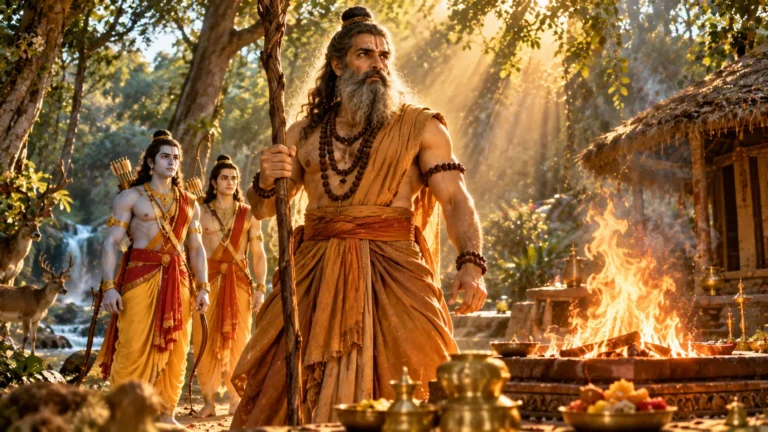
kathānte sumatirvākyaṃ vyājahāra mahāmunim ||

हिंदी अर्थ

मिलने पर एक दूसरे का कुशल पूछकर, बातचीत के अंत में सुमति ने महामुनि से कहा:

English meaning

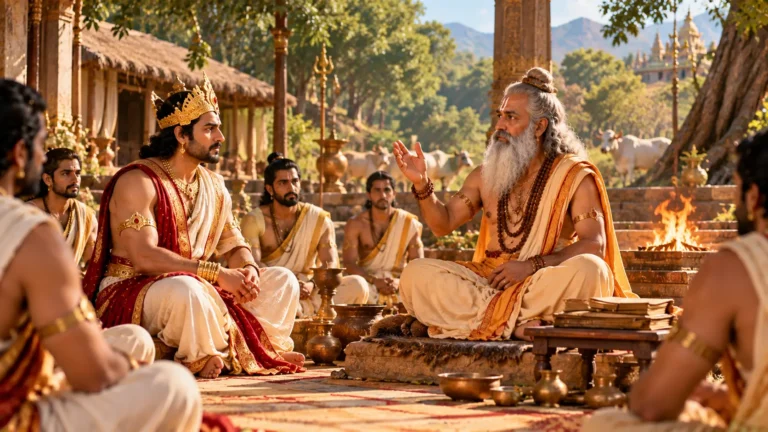
Having asked after each other's welfare when they met, at the end of their talk Sumati said to the great sage:

2-4 1.48.2-4

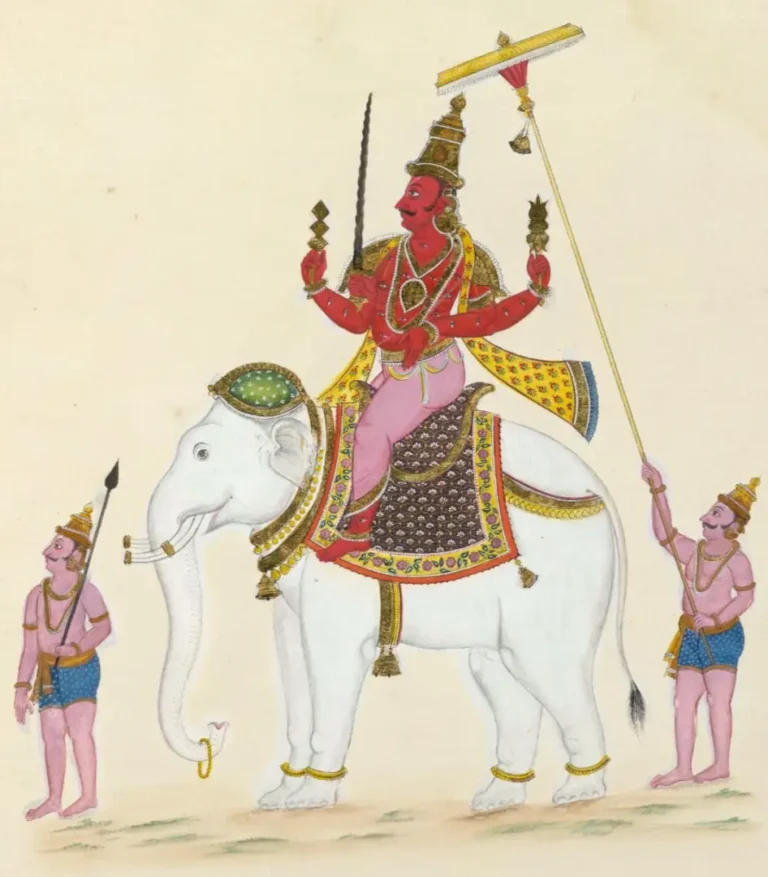
इमौ कुमारौ भद्रं ते देवतुल्यपराक्रमौ ।
गजसिंहगती वीरौ शार्दूलवृषभोपमौ ।
पद्मपत्रविशालाक्षौ खड्गतूणी धनुर्धरौ ।
अश्विनाविव रूपेण समुपस्थितयौवनौ ।
यदृच्छयैव गां प्राप्तौ देवलोकादिवामरौ ।
कथं पद्भ्यामिह प्राप्तौ किमर्थं कस्य वा मुने ॥

imau kumārau bhadraṃ te devatulyaparākramau |
gajasiṃhagatī vīrau śārdūlavṛṣabhopamau |
padmapatraviśālākṣau khaḍgatūṇī dhanurdharau |
aśvināviva rūpeṇa samupasthitayauvanau |
yadṛcchayaiva gāṃ prāptau devalokādivāmarau |
kathaṃ padbhyāmiha prāptau kimarthaṃ kasya vā mune ||

हिंदी अर्थ

आपका कल्याण हो। ये दोनों कुमार, देवताओं के समान पराक्रमी, हाथी और सिंह जैसी चाल वाले, बाघ और बैल जैसे वीर, कमलदल जैसी विशाल आँखों वाले, खड्ग, तूणीर और धनुष धारण किए, अश्विनीकुमारों जैसे रूपवान और युवावस्था में, मानो दो देवता अपनी इच्छा से देवलोक से पृथ्वी पर आ गए हों: हे मुनि, ये पैदल यहाँ कैसे आए, किस प्रयोजन से, और किसके पुत्र हैं?

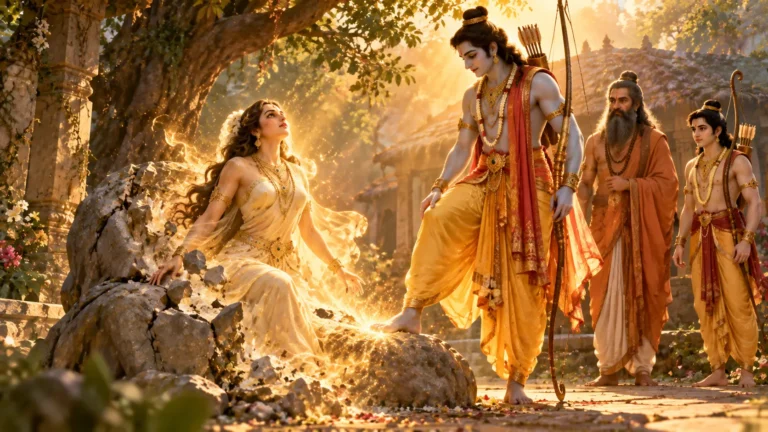
English meaning

Blessings on you. These two boys, equal to the gods in valour, walking like elephants and lions, heroes like tigers and bulls, with large eyes like lotus petals, carrying swords, quivers and bows, handsome as the Ashvins and in the bloom of youth, as if two immortals had come down to earth from the world of the gods of their own will: how have they come here on foot, sage, for what purpose, and whose sons are they?

5-6 1.48.5-6

भूषयन्ताविमं देशं चन्द्रसूर्याविवाम्बरम् ।
परस्परस्य सदृशौ प्रमाणेङ्गितचेष्टितैः ।
किमर्थं च मुनिश्रेष्ठ सम्प्राप्तौ दुर्गमे पथि ।
वरायुधधरौ वीरौ श्रोतुमिच्छामि तत्त्वतः ॥

bhūṣayantāvimaṃ deśaṃ candrasūryāvivāmbaram |
parasparasya sadṛśau pramāṇeṅgitaceṣṭitaiḥ |
kimarthaṃ ca muniśreṣṭha samprāptau durgame pathi |
varāyudhadharau vīrau śrotumicchāmi tattvataḥ ||

हिंदी अर्थ

ये इस देश को वैसे ही सुशोभित कर रहे हैं जैसे चंद्र और सूर्य आकाश को, और कद, भाव तथा चेष्टा में एक दूसरे के समान हैं। हे मुनिश्रेष्ठ, उत्तम अस्त्र धारण किए ये दोनों वीर इस कठिन मार्ग से क्यों आए हैं? मैं सच सुनना चाहता हूँ।

English meaning

They grace this land like the moon and sun grace the sky, alike in build, expression and bearing. Best of sages, why have these two heroes bearing fine weapons come by this hard road? I wish to hear the truth.

7 1.48.7

तस्य तद्वचनं श्रुत्वा यथावृत्तं न्यवेदयत् ।
सिद्धाश्रमनिवासं च राक्षसानां वधं तथा ॥

tasya tadvacanaṃ śrutvā yathāvṛttaṃ nyavedayat |
siddhāśramanivāsaṃ ca rākṣasānāṃ vadhaṃ tathā ||

हिंदी अर्थ

उनकी बात सुनकर उन्होंने सब वृत्तांत बताया: सिद्धाश्रम में निवास और राक्षसों का वध।

English meaning

Hearing his words, he told him all that had happened: their stay at Siddhashrama and the killing of the rakshasas.

8 1.48.8

विश्वामित्रवचश्श्रुत्वा राजा परमहर्षितः ।
अतिथी परमौ प्राप्तौ पुत्रौ दशरथस्य तौ ।
पूजयामास विधिवत्सत्कारार्हौ महाबलौ ॥

viśvāmitravacaśśrutvā rājā paramaharṣitaḥ |
atithī paramau prāptau putrau daśarathasya tau |
pūjayāmāsa vidhivatsatkārārhau mahābalau ||

हिंदी अर्थ

विश्वामित्र के वचन सुनकर राजा अत्यंत प्रसन्न हुए, और परम अतिथि के रूप में आए, सत्कार के योग्य दशरथ के दोनों महाबली पुत्रों की उन्होंने विधिवत पूजा की।

English meaning

Hearing Vishvamitra's words, the king was overjoyed, and he duly honoured the two mighty sons of Dasharatha, who had come as his most honoured guests and were worthy of every courtesy.

9 1.48.9

ततः परमसत्कारं सुमतेः प्राप्य राघवौ ।
उष्य तत्र निशामेकां जग्मतुर्मिथिलां ततः ॥

tataḥ paramasatkāraṃ sumateḥ prāpya rāghavau |
uṣya tatra niśāmekāṃ jagmaturmithilāṃ tataḥ ||

हिंदी अर्थ

सुमति से परम सत्कार पाकर दोनों राघव वहाँ एक रात रहे और फिर मिथिला की ओर चले।

English meaning

Having received the highest hospitality from Sumati, the two Raghavas stayed there one night and then went on to Mithila.

10 1.48.10

तान् दृष्ट्वा मुनयस्सर्वे जनकस्य पुरीं शुभाम् ।
साधु साध्विति शंसन्तो मिथिलां समपूजयन् ॥

tān dṛṣṭvā munayassarve janakasya purīṃ śubhām |
sādhu sādhviti śaṃsanto mithilāṃ samapūjayan ||

हिंदी अर्थ

जनक की सुंदर नगरी देखकर सब मुनियों ने साधु साधु कहकर मिथिला की प्रशंसा की।

English meaning

Seeing Janaka's lovely city, all the sages praised Mithila, saying: Well done, well done.

11 1.48.11

मिथिलोपवने शून्यमाश्रमं दृश्य राघवः ।
पुराणं निर्जनं रम्यं पप्रच्छ मुनिपुङ्गवम् ॥

mithilopavane śūnyamāśramaṃ dṛśya rāghavaḥ |
purāṇaṃ nirjanaṃ ramyaṃ papraccha munipuṅgavam ||

हिंदी अर्थ

मिथिला के उपवन में एक पुराना, निर्जन पर सुंदर, सूना आश्रम देखकर राघव ने मुनिश्रेष्ठ से पूछा:

English meaning

Seeing an empty hermitage in a grove near Mithila, ancient, deserted and lovely, Raghava asked the best of sages:

12 1.48.12

श्रीमदाश्रमसङ्काशं किन्न्विदं मुनिवर्जितम् ।
ज्ञातुमिच्छामि भगवन् कस्यायं पूर्वमाश्रमः ॥

śrīmadāśramasaṅkāśaṃ kinnvidaṃ munivarjitam |
jñātumicchāmi bhagavan kasyāyaṃ pūrvamāśramaḥ ||

हिंदी अर्थ

यह क्या है जो सुंदर आश्रम जैसा दिखता है पर इसमें कोई मुनि नहीं? हे भगवन, मैं जानना चाहता हूँ कि यह पहले किसका आश्रम था।

English meaning

What is this place that looks like a fine hermitage but has no sages? I wish to know, holy one, whose hermitage this was.

13 1.48.13

तच्छ्रुत्वा राघवेणोक्तं वाक्यं वाक्यविशारदः ।
प्रत्युवाच महातेजा विश्वामित्रो महामुनिः ॥

tacchrutvā rāghaveṇoktaṃ vākyaṃ vākyaviśāradaḥ |
pratyuvāca mahātejā viśvāmitro mahāmuniḥ ||

हिंदी अर्थ

राघव के वचन सुनकर वाक्पटु, महातेजस्वी महामुनि विश्वामित्र ने उत्तर दिया:

English meaning

Hearing Raghava's words, the radiant great sage Vishvamitra, skilled in speech, replied:

14 1.48.14

हन्त ते कथयिष्यामि श्रुणु तत्त्वेन राघव ।
यस्येदमाश्रमपदं शप्तं कोपान्महात्मना ॥

hanta te kathayiṣyāmi śruṇu tattvena rāghava |
yasyedamāśramapadaṃ śaptaṃ kopānmahātmanā ||

हिंदी अर्थ

हे राघव, मैं तुम्हें बताता हूँ; सच सुनो कि यह किसका आश्रम है, जिसे एक महात्मा ने क्रोध से शाप दिया।

English meaning

I shall tell you, Raghava; hear truly whose hermitage this is, which a great soul cursed in anger.

15 1.48.15

गौतमस्य नरश्रेष्ठ पूर्वमासीन्महात्मनः ।
आश्रमो दिव्यसङ्काशस्सुरैरपि सुपूजितः ॥

gautamasya naraśreṣṭha pūrvamāsīnmahātmanaḥ |
āśramo divyasaṅkāśassurairapi supūjitaḥ ||

हिंदी अर्थ

हे नरश्रेष्ठ, यह पहले महात्मा गौतम का आश्रम था, दिव्य दिखने वाला और देवताओं से भी पूजित।

English meaning

Best of men, it was once the hermitage of the great souled Gautama, divine in appearance and honoured even by the gods.

16 1.48.16

स चेह तप आतिष्ठदहल्यासहितः पुरा ।
वर्षपूगाननेकांश्च राजपुत्र महायशः ॥

sa ceha tapa ātiṣṭhadahalyāsahitaḥ purā |
varṣapūgānanekāṃśca rājaputra mahāyaśaḥ ||

हिंदी अर्थ

हे महायशस्वी राजकुमार, यहाँ उन्होंने बहुत पहले अहल्या के साथ अनेक वर्षों तक तप किया।

English meaning

Here, renowned prince, he practised penance with Ahalya for very many years long ago.

17 1.48.17

तस्यान्तरं विदित्वा तु सहस्राक्षश्शचीपतिः ।
मुनिवेषधरोऽहल्यामिदं वचनमब्रवीत् ॥

tasyāntaraṃ viditvā tu sahasrākṣaśśacīpatiḥ |
muniveṣadharo'halyāmidaṃ vacanamabravīt ||

हिंदी अर्थ

उन्हें बाहर गया जानकर शचीपति सहस्राक्ष ने मुनि का वेश धारण किया और अहल्या से कहा:

English meaning

Learning that he was away, the thousand eyed lord of Shachi took the guise of the sage and said to Ahalya:

18 1.48.18

ऋतुकालं प्रतीक्षन्ते नार्थिनस्सुसमाहिते ।
सङ्गमं त्वहमिच्छामि त्वया सह सुमध्यमे ॥

ṛtukālaṃ pratīkṣante nārthinassusamāhite |
saṅgamaṃ tvahamicchāmi tvayā saha sumadhyame ||

हिंदी अर्थ

हे सुंदरी, कामना करने वाले उचित समय की प्रतीक्षा नहीं करते। हे सुमध्यमे, मैं तुम्हारे साथ समागम चाहता हूँ।

English meaning

Lovely one, those who desire do not wait for the proper season. Slender waisted one, I wish to be with you.

19 1.48.19

मुनिवेषं सहस्राक्षं विज्ञाय रघुनन्दन ।
मतिं चकार दुर्मेधा देवराजकुतूहलात् ॥

muniveṣaṃ sahasrākṣaṃ vijñāya raghunandana |
matiṃ cakāra durmedhā devarājakutūhalāt ||

हिंदी अर्थ

हे रघुनंदन, मुनि वेश में सहस्राक्ष को पहचानकर उस नासमझ स्त्री ने देवराज के प्रति कौतूहल के कारण सहमति दे दी।

English meaning

Recognising the thousand eyed one in the sage's guise, joy of the Raghus, the foolish woman consented out of curiosity about the king of the gods.

20-21 1.48.20-21

अथाब्रवीत् नरश्रेष्ठ कृतार्थेनान्तरात्मना ।
कृतार्थाऽस्मि सुरश्रेष्ठ गच्छ शीघ्रमितः प्रभो ।
आत्मानं मां च देवेश सर्वदा रक्ष गौतमात् ॥

athābravīt naraśreṣṭha kṛtārthenāntarātmanā |
kṛtārthā'smi suraśreṣṭha gaccha śīghramitaḥ prabho |
ātmānaṃ māṃ ca deveśa sarvadā rakṣa gautamāt ||

हिंदी अर्थ

फिर, हे नरश्रेष्ठ, उसने संतुष्ट मन से कहा: हे सुरश्रेष्ठ, मैं संतुष्ट हूँ। हे प्रभु, यहाँ से शीघ्र जाइए। हे देवेश, गौतम से अपनी और मेरी सदा रक्षा कीजिए।

English meaning

Then, best of men, she said with a contented heart: I am satisfied, best of gods. Go quickly from here, lord. Lord of the gods, always protect yourself and me from Gautama.

22 1.48.22

इन्द्रस्तु प्रहसन् वाक्यमहल्यामिदमब्रवीत् ।
सुश्रोणि परितुष्टोऽस्मि गमिष्यामि यथाऽगतम् ॥

indrastu prahasan vākyamahalyāmidamabravīt |
suśroṇi parituṣṭo'smi gamiṣyāmi yathā'gatam ||

हिंदी अर्थ

इंद्र ने हँसकर अहल्या से कहा: हे सुंदरी, मैं संतुष्ट हूँ। मैं जैसे आया था वैसे ही चला जाऊँगा।

English meaning

Indra laughed and said to Ahalya: Fair hipped one, I am pleased. I shall go as I came.

23 1.48.23

एवं सङ्गम्य तु तया निश्चक्रामोटजात्ततः ।
स सम्भ्रमात्त्वरन् राम शङ्कितो गौतमं प्रति ॥

evaṃ saṅgamya tu tayā niścakrāmoṭajāttataḥ |
sa sambhramāttvaran rāma śaṅkito gautamaṃ prati ||

हिंदी अर्थ

उसके साथ समागम करके, हे राम, वह गौतम के भय से घबराकर तेजी से कुटिया से बाहर निकले।

English meaning

Having been with her, he came out of the hut in haste, Rama, alarmed, fearing Gautama.

24-25 1.48.24-25

गौतमं तं ददर्शाथ प्रविशन्तं महामुनिम् ।
देवदानवदुर्धर्षं तपोबलसमन्वितम् ।
तीर्थेंदकपरिक्लिन्नं दीप्यमानमिवानलम् ।
गृहीतसमिधं तत्र सकुशं मुनिपुङ्गवम् ॥

gautamaṃ taṃ dadarśātha praviśantaṃ mahāmunim |
devadānavadurdharṣaṃ tapobalasamanvitam |
tīrtheṃdakapariklinnaṃ dīpyamānamivānalam |
gṛhītasamidhaṃ tatra sakuśaṃ munipuṅgavam ||

हिंदी अर्थ

तभी उन्होंने महामुनि गौतम को भीतर आते देखा, जो देवों और दानवों से अजेय, तपोबल से युक्त, तीर्थजल से भीगे, अग्नि के समान दमकते, समिधा और कुश लिए मुनिश्रेष्ठ थे।

English meaning

Then he saw the great sage Gautama coming in, invincible to gods and danavas, endowed with the power of penance, wet with the water of the sacred ford, blazing like fire, the best of sages carrying fuel and kusha grass.

26 1.48.26

दृष्ट्वा सुरपतिस्त्रस्तो विवर्णवदनोऽभवत् ।
अथ दृष्ट्वा सहस्राक्षं मुनिवेषधरं मुनिः ।
दुर्वृत्तं वृत्तसम्पन्नो रोषाद्वचनमब्रवीत् ॥

dṛṣṭvā surapatistrasto vivarṇavadano'bhavat |
atha dṛṣṭvā sahasrākṣaṃ muniveṣadharaṃ muniḥ |
durvṛttaṃ vṛttasampanno roṣādvacanamabravīt ||

हिंदी अर्थ

उन्हें देखकर देवराज डर गए और उनका मुख फीका पड़ गया। सदाचारी मुनि ने मुनि वेश में उस दुराचारी सहस्राक्ष को देखकर क्रोध से कहा:

English meaning

Seeing him, the lord of the gods was frightened and turned pale. The sage, rich in good conduct, seeing the wicked thousand eyed one in a sage's guise, spoke in anger:

27 1.48.27

मम रूपं समास्थाय कृतवानसि दुर्मते ।
अकर्तव्यमिदं तस्माद्विफलस्त्वं भविष्यसि ॥

mama rūpaṃ samāsthāya kṛtavānasi durmate |
akartavyamidaṃ tasmādviphalastvaṃ bhaviṣyasi ||

हिंदी अर्थ

हे दुर्बुद्धि, मेरा रूप धारण करके तुमने वह किया जो नहीं करना चाहिए था। इसलिए तुम विफल हो जाओगे।

English meaning

Wicked one, taking my form you have done what should never be done. So you shall become fruitless.

28 1.48.28

गौतमेनैवमुक्तस्य सरोषेण महात्मना ।
पेततुर्वृषणै भूमौ सहस्राक्षस्य तत्क्षणात् ॥

gautamenaivamuktasya saroṣeṇa mahātmanā |
petaturvṛṣaṇai bhūmau sahasrākṣasya tatkṣaṇāt ||

हिंदी अर्थ

क्रोधित महात्मा गौतम के ऐसा कहते ही सहस्राक्ष का पौरुष उसी क्षण नष्ट होकर भूमि पर गिर पड़ा।

English meaning

As the great souled Gautama said this in anger, the thousand eyed one at once lost his manhood, which fell to the ground.

29-30 1.48.29-30

तथा शप्त्वा स वै शक्रमहल्यामपि शप्तवान् ।
इह वर्षसहस्राणि बहूनि त्वं निवत्स्यसि ।
वायुभक्षा निराहारा तप्यन्ती भस्मशायिनी ।
अदृश्या सर्वभूतानां आश्रमेऽस्मिन्निवत्स्यसि ॥

tathā śaptvā sa vai śakramahalyāmapi śaptavān |
iha varṣasahasrāṇi bahūni tvaṃ nivatsyasi |
vāyubhakṣā nirāhārā tapyantī bhasmaśāyinī |
adṛśyā sarvabhūtānāṃ āśrame'sminnivatsyasi ||

हिंदी अर्थ

इंद्र को ऐसा शाप देकर उन्होंने अहल्या को भी शाप दिया: तुम यहाँ हजारों वर्ष तक वायु पीकर, निराहार रहकर, तप करती हुई, राख पर सोती हुई, सब प्राणियों से अदृश्य होकर इस आश्रम में रहोगी।

English meaning

Having cursed Shakra so, he cursed Ahalya too: You shall live here for many thousands of years, living on air, without food, doing penance, lying on ashes, unseen by all beings, in this hermitage.

31 1.48.31

यदा चैतद्वनं घोरं रामो दशरथात्मजः ।
आगमिष्यति दुर्धर्षस्तदा पूता भविष्यसि ॥

yadā caitadvanaṃ ghoraṃ rāmo daśarathātmajaḥ |
āgamiṣyati durdharṣastadā pūtā bhaviṣyasi ||

हिंदी अर्थ

जब दशरथ के अजेय पुत्र राम इस भयानक वन में आएँगे, तब तुम पवित्र हो जाओगी।

English meaning

When Rama, the invincible son of Dasharatha, comes to this dreadful forest, then you will be purified.

32 1.48.32

तस्यातिथ्येन दुर्वुत्ते लोभमोहविवर्जिता ।
मत्सकाशे मुदा युक्ता स्वं वपुर्धारयिष्यसि ॥

tasyātithyena durvutte lobhamohavivarjitā |
matsakāśe mudā yuktā svaṃ vapurdhārayiṣyasi ||

हिंदी अर्थ

हे दुराचारिणी, उनका आतिथ्य करके, लोभ और मोह से मुक्त होकर, तुम अपना रूप फिर पाओगी और प्रसन्न होकर मेरे पास रहोगी।

English meaning

Wrongdoer, by offering him hospitality, free of greed and delusion, you will regain your own form and live happily with me.

33 1.48.33

एवमुक्त्वा महातेजा गौतमो दुष्टचारिणीम् ।
इममाश्रममुत्सृज्य सिद्धचारणसेविते ।
हिमवच्छिखरे पुण्ये तपस्तेपे महातपाः ॥

evamuktvā mahātejā gautamo duṣṭacāriṇīm |
imamāśramamutsṛjya siddhacāraṇasevite |
himavacchikhare puṇye tapastepe mahātapāḥ ||

हिंदी अर्थ

उस दुराचारिणी से यह कहकर महातेजस्वी महातपस्वी गौतम ने यह आश्रम छोड़ दिया और सिद्धों तथा चारणों से सेवित हिमालय के पवित्र शिखर पर तप करने लगे।

English meaning

Having said this to the wrongdoer, the radiant great ascetic Gautama left this hermitage and practised penance on a holy peak of the Himalaya, frequented by siddhas and charanas.
Next sarga · Bala Kanda 49Ahalya Is FreedRama enters the hermitage and Ahalya, shining after her long penance, becomes visible again. She welcomes the princes, Gautama returns, and the couple are reunited.

Characters in this sarga

All characters

Retold as a story