सप्तधातु कृते गर्भे दितिः परमदुःखिता ।
saptadhātu kṛte garbhe ditiḥ paramaduḥkhitā |
हिंदी अर्थ गर्भ के सात टुकड़े हो जाने पर अत्यंत दुखी दिति ने दुर्जय सहस्राक्ष से विनम्रता से कहा:
English meaning When the embryo was split into seven, Diti, in deep grief, spoke gently to the invincible thousand eyed one:
ममापराधाद्गर्भोऽयं सप्तधा विफलीकृतः ।
mamāparādhādgarbho'yaṃ saptadhā viphalīkṛtaḥ |
हिंदी अर्थ मेरे ही अपराध से यह गर्भ सात भागों में बँटकर निष्फल हुआ। हे देवेश, बलसूदन, इसमें तुम्हारा कोई अपराध नहीं।
English meaning Through my own fault this embryo was split into seven and made fruitless. Lord of the gods, slayer of Bala, the fault is not yours.
प्रियं तु कर्तुमिच्छामि मम गर्भविपर्यये ।
priyaṃ tu kartumicchāmi mama garbhaviparyaye |
हिंदी अर्थ फिर भी मैं चाहती हूँ कि मेरे गर्भ के नष्ट होने से कुछ भला हो। ये सात गुणा सात मरुतों के स्थानों के रक्षक बनें।
English meaning Yet I wish some good to come from the loss of my child. Let these become guardians of the regions of the seven times seven Maruts.
वातस्कन्धाः इमे सप्त चरन्तु दिवि पुत्रक ।
vātaskandhāḥ ime sapta carantu divi putraka |
हिंदी अर्थ पुत्र, ये सात, मेरे पुत्र, वायु के स्तरों के रूप में आकाश में विचरें, दिव्य रूप वाले और मरुत नाम से प्रसिद्ध।
English meaning Son, let these seven, my sons, roam the sky as the layers of the wind, divine in form and known as the Maruts.
ब्रह्मलोकं चरत्वेक इन्द्रलोकं तथाऽपरः ।
brahmalokaṃ caratveka indralokaṃ tathā'paraḥ |
हिंदी अर्थ एक ब्रह्मलोक में विचरे, दूसरा इंद्रलोक में, और तीसरा महायशस्वी आकाश में वायु नाम से प्रसिद्ध हो।
English meaning Let one roam the world of Brahma, another the world of Indra, and the third, renowned, be known in the sky as Vayu.
चत्वारस्तु सुरश्रेष्ठ दिशो वै तव शासनात् ।
catvārastu suraśreṣṭha diśo vai tava śāsanāt |
हिंदी अर्थ हे सुरश्रेष्ठ, बाकी चार, मेरे पुत्र, देवता बनकर तुम्हारी आज्ञा से चारों दिशाओं में विचरें। तुम्हारा कल्याण हो।
English meaning Best of gods, let the other four, my sons, become gods and move through the four directions at your command. Blessings on you.
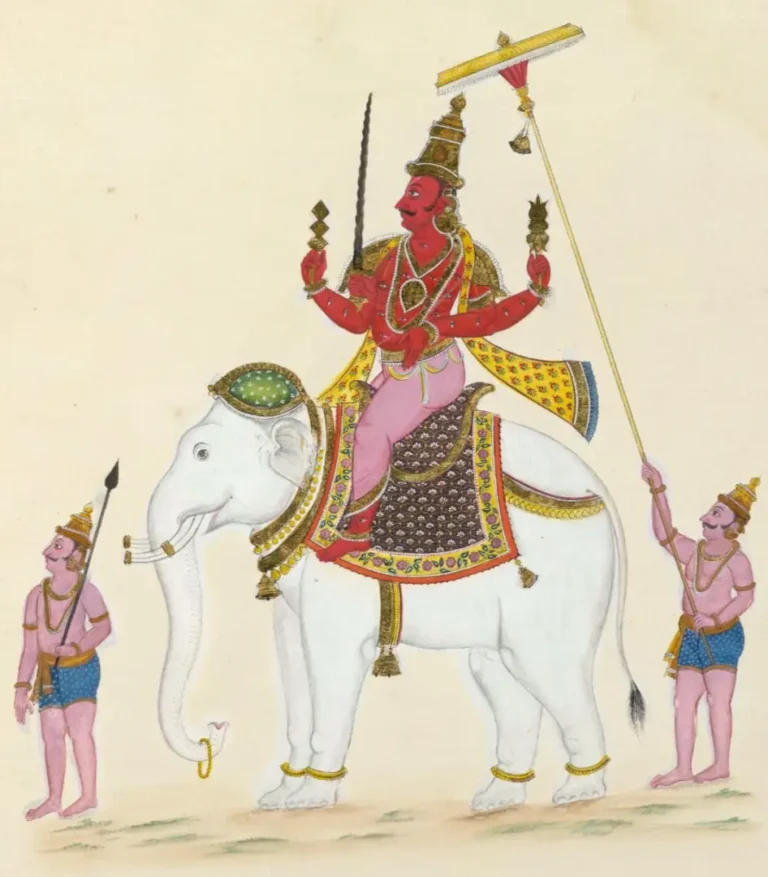
तस्यास्तद्वचनं श्रुत्वा सहस्राक्षः पुरन्दरः ।
tasyāstadvacanaṃ śrutvā sahasrākṣaḥ purandaraḥ |
हिंदी अर्थ उनके वचन सुनकर सहस्राक्ष पुरंदर, बल के संहारक, ने हाथ जोड़कर दिति से कहा:
English meaning Hearing her words, the thousand eyed Purandara, slayer of Bala, said to Diti with folded hands:
सर्वमेतद्यथोक्तं ते भविष्यति न संशयः ।
sarvametadyathoktaṃ te bhaviṣyati na saṃśayaḥ |
हिंदी अर्थ आपने जैसा कहा वैसा ही सब होगा, इसमें संदेह नहीं। आपका कल्याण हो; आपके पुत्र देवता बनकर विचरेंगे।
English meaning All this will be as you have said; there is no doubt. Blessings on you; your sons will become gods and roam.
एवं तौ निश्चयं कृत्वा मातापुत्रौ तपोवने ।
evaṃ tau niścayaṃ kṛtvā mātāputrau tapovane |
हिंदी अर्थ हे राम, तपोवन में यह निश्चय करके माता और पुत्र कृतार्थ होकर स्वर्ग गए, ऐसा हमने सुना है।
English meaning Having agreed on this in the forest of penance, Rama, mother and son went to heaven with their purpose fulfilled, so we have heard.
एष देशस्स काकुत्स्थ महेन्द्राध्युषितः पुरा ।
eṣa deśassa kākutstha mahendrādhyuṣitaḥ purā |
हिंदी अर्थ हे काकुत्स्थ, यही वह देश है जहाँ पहले महेंद्र रहे थे और जहाँ उन्होंने तप से सिद्ध दिति की सेवा की थी।
English meaning This is the land, Kakutstha, where Mahendra lived long ago, and where he served Diti as she gained the fruit of her penance.
11-12
1.47.11-12
Copy link
इक्ष्वाकोऽस्तु नरव्याघ्र पुत्रः परमधार्मिकः ।
ikṣvāko'stu naravyāghra putraḥ paramadhārmikaḥ |
हिंदी अर्थ हे नरव्याघ्र, इक्ष्वाकु के अलंबुषा से उत्पन्न विशाल नाम के एक परम धार्मिक पुत्र थे, और उन्होंने इस स्थान पर विशाला नाम की नगरी बसाई।
English meaning Tiger among men, Ikshvaku had a most righteous son, born of Alambusha, known as Vishala, and by him the city called Vishala was built in this place.
विशालस्य सुतो राम हेमचन्द्रो महाबलः ।
viśālasya suto rāma hemacandro mahābalaḥ |
हिंदी अर्थ हे राम, विशाल के पुत्र महाबली हेमचंद्र थे, और हेमचंद्र के बाद सुचंद्र नाम से प्रसिद्ध राजा हुए।
English meaning Rama, Vishala's son was the mighty Hemachandra, and after Hemachandra came the one known as Suchandra.
सुचन्द्रतनयो राम धूम्राश्व इति विश्रुतः ।
sucandratanayo rāma dhūmrāśva iti viśrutaḥ |
हिंदी अर्थ हे राम, सुचंद्र के पुत्र धूम्राश्व नाम से प्रसिद्ध थे, और धूम्राश्व के पुत्र सृंजय हुए।
English meaning Rama, Suchandra's son was known as Dhumrashva, and Dhumrashva's son was Srinjaya.
सञ्जयस्य सुतश्श्रीमान् सहदेवः प्रतापवान् ।
sañjayasya sutaśśrīmān sahadevaḥ pratāpavān |
हिंदी अर्थ सृंजय के पुत्र तेजस्वी और प्रतापी सहदेव थे, और सहदेव के पुत्र परम धार्मिक कुशाश्व थे।
English meaning Srinjaya's son was the glorious and valiant Sahadeva, and Sahadeva's son was the most righteous Kushashva.
कुशाश्वस्य महातेजा सोमदत्तः प्रतापवान् ।
kuśāśvasya mahātejā somadattaḥ pratāpavān |
हिंदी अर्थ कुशाश्व के पुत्र महातेजस्वी और प्रतापी सोमदत्त थे, और सोमदत्त के पुत्र काकुत्स्थ नाम से प्रसिद्ध थे।
English meaning Kushashva's son was the radiant and valiant Somadatta, and Somadatta's son was known as Kakutstha.
तस्य पुत्रो महातेजाः सम्प्रत्येष पुरीमिमाम् ।
tasya putro mahātejāḥ sampratyeṣa purīmimām |
हिंदी अर्थ उनके पुत्र महातेजस्वी, देवताओं जैसे और दुर्जय सुमति अब इस नगरी में रहते हैं।
English meaning His son, the radiant and invincible Sumati, like a god, now lives in this city.
इक्ष्वाकोस्तु प्रसादेन सर्वे वैशालिका नृपाः ।
ikṣvākostu prasādena sarve vaiśālikā nṛpāḥ |
हिंदी अर्थ इक्ष्वाकु की कृपा से विशाला के सब राजा दीर्घायु, महात्मा, पराक्रमी और परम धार्मिक हैं।
English meaning By the grace of Ikshvaku, all the kings of Vishala are long lived, great souled, valiant and most righteous.
इहाद्य रजनीं राम सुखं वत्स्यामहे वयम् ।
ihādya rajanīṃ rāma sukhaṃ vatsyāmahe vayam |
हिंदी अर्थ हे राम, आज रात हम यहाँ सुख से रहें। कल प्रभात में, हे नरश्रेष्ठ, तुम जनक के दर्शन करोगे।
English meaning Rama, let us stay here happily tonight. Tomorrow at dawn, best of men, you will see Janaka.
सुमतिस्तु महातेजा विश्वामित्रमुपागतम् ।
sumatistu mahātejā viśvāmitramupāgatam |
हिंदी अर्थ विश्वामित्र के आने की बात सुनकर महातेजस्वी, महायशस्वी, नृपश्रेष्ठ सुमति उनकी अगवानी के लिए गए।
English meaning Hearing that Vishvamitra had come, the radiant and renowned Sumati, best of kings, went out to meet him.
पूजां च परमां कृत्वा सोपाध्यायस्सबान्धवः ।
pūjāṃ ca paramāṃ kṛtvā sopādhyāyassabāndhavaḥ |
हिंदी अर्थ अपने पुरोहितों और बंधुओं के साथ परम पूजा करके, हाथ जोड़कर कुशल पूछकर उन्होंने विश्वामित्र से कहा:
English meaning Offering the highest worship with his priests and kinsmen, he joined his palms, asked after his welfare, and said to Vishvamitra:
धन्योऽस्म्यनुगृहीतोऽस्मि यस्य मे विषयं मुनिः ।
dhanyo'smyanugṛhīto'smi yasya me viṣayaṃ muniḥ |
हिंदी अर्थ मैं धन्य और अनुगृहीत हूँ कि मुनि मेरे राज्य में आए और मुझे उनके दर्शन हुए। मुझसे अधिक धन्य कोई नहीं।
English meaning I am blessed and favoured, since the sage has come to my land and I have seen him. No one is more blessed than I.