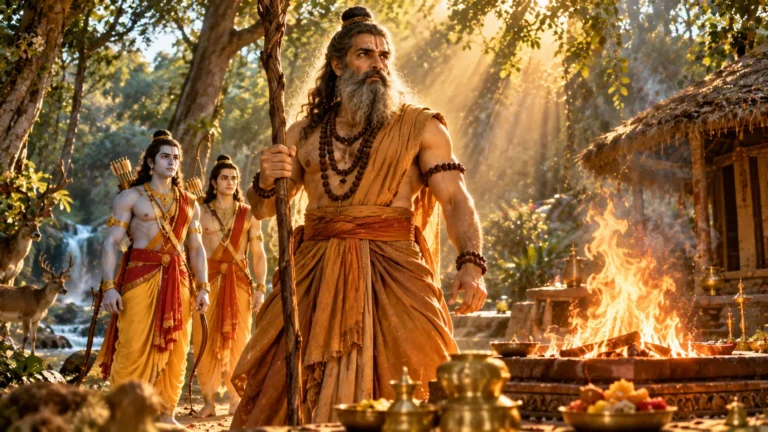
उक्तवाक्ये मुनौ तस्मिन्नुभौ राघवलक्ष्मणौ ।
uktavākye munau tasminnubhau rāghavalakṣmaṇau |
हिंदी अर्थ मुनि के बात पूरी करने पर दोनों वीर राघव और लक्ष्मण ने कथा का अभिनंदन किया और मुनिश्रेष्ठ से कहा:
English meaning When the sage had finished speaking, the two heroes, Raghava and Lakshmana, welcomed the story and said to the best of sages:
धर्मयुक्तमिदं ब्रह्मन् कथितं परमं त्वया ।
dharmayuktamidaṃ brahman kathitaṃ paramaṃ tvayā |
हिंदी अर्थ हे ब्रह्मन, आपने जो कहा वह उत्तम और धर्म से युक्त है। आप पूरा विस्तार जानते हैं; कृपया पर्वतराज की बड़ी पुत्री के दिव्य और मानवीय संबंधों का विस्तार से वर्णन कीजिए।
English meaning Brahmin, what you have told is excellent and full of dharma. You know the full story; please tell us in detail of the elder daughter of the king of mountains and her divine and human origins.
त्रीन् पथो हेतुना केन प्लावयेल्लोकपावनी ।
trīn patho hetunā kena plāvayellokapāvanī |
हिंदी अर्थ जगत को पवित्र करने वाली वह किस कारण से तीन मार्गों को भिगोती है? नदियों में श्रेष्ठ गंगा तीनों लोकों में त्रिपथगा नाम से कैसे प्रसिद्ध हुई? हे धर्मज्ञ, उसके कौन से कर्म हैं?
English meaning For what reason does she who purifies the world flood three paths? How did Ganga, best of rivers, become famed as the one of three paths in the three worlds? Knower of dharma, by what deeds is she known?
तथा ब्रुवति काकुत्स्थे विश्वामित्रस्तपोधनः ।
tathā bruvati kākutsthe viśvāmitrastapodhanaḥ |
हिंदी अर्थ काकुत्स्थ के ऐसा कहने पर तपोधन विश्वामित्र ने ऋषियों के बीच पूरी कथा विस्तार से सुनाई।
English meaning As Kakutstha said this, Vishvamitra, rich in penance, told the whole story in full in the midst of the sages.
पुरा राम कृतोद्वाहो नीलकण्ठो महातपाः ।
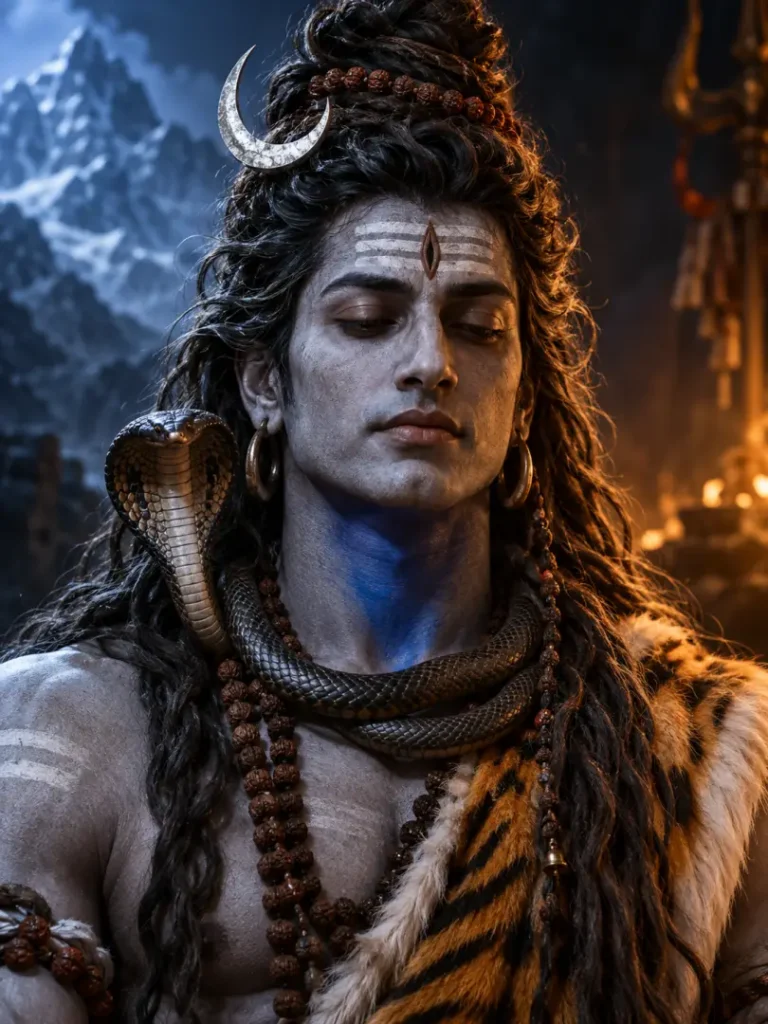
purā rāma kṛtodvāho nīlakaṇṭho mahātapāḥ |
हिंदी अर्थ हे राम, बहुत पहले विवाह के बाद महातपस्वी नीलकंठ ने देवी को देखकर प्रेम से उनके साथ समागम आरंभ किया।
English meaning Long ago, Rama, after his marriage, the great ascetic Nilakantha saw the goddess and, with longing, began to unite with her.
शितिकण्ठस्य देवस्य दिव्यं वर्षशतं गतम् ।
śitikaṇṭhasya devasya divyaṃ varṣaśataṃ gatam |
हिंदी अर्थ हे परंतप राम, नीलकंठ देव के सौ दिव्य वर्ष बीत गए, फिर भी उनसे कोई पुत्र नहीं हुआ।
English meaning A hundred divine years passed for the blue throated god, scorcher of foes, yet no son was born to her, Rama.
ततो देवास्समुद्विग्नाः पितामहपुरोगमाः ।
tato devāssamudvignāḥ pitāmahapurogamāḥ |
हिंदी अर्थ तब पितामह आदि देवता चिंतित हुए: यदि इससे कोई प्राणी उत्पन्न हुआ, तो उसे कौन सह पाएगा?
English meaning Then the gods, led by the Grandsire, grew anxious: If a being is born from this, who will be able to bear it?
अभिगम्य सुरास्सर्वे प्रणिपत्येदमब्रुवन् ।
abhigamya surāssarve praṇipatyedamabruvan |
हिंदी अर्थ सब देवताओं ने आकर प्रणाम किया और कहा: हे देवों के देव महादेव, इस संसार के हित में रत, हम प्रणाम करते हुए देवताओं पर कृपा कीजिए।
English meaning All the gods came, bowed and said: God of gods, Mahadeva, devoted to the good of this world, be gracious to the gods who bow before you.
10-11
1.36.10-11
Copy link
न लोका धारयिष्यन्ति तव तेजस्सुरोत्तम ।
na lokā dhārayiṣyanti tava tejassurottama |
हिंदी अर्थ हे सुरश्रेष्ठ, लोक आपके तेज को धारण नहीं कर पाएँगे। देवी के साथ ब्राह्म तप से युक्त होकर तप कीजिए। तीनों लोकों के हित के लिए अपने तेज को अपने भीतर ही धारण कीजिए।
English meaning Best of gods, the worlds will not be able to bear your energy. Practise penance with the goddess, joined with the penance of Brahma. For the good of the three worlds, hold your energy within yourself.
देवतानां वचश्श्रुत्वा सर्वलोकमहेश्वरः ।
devatānāṃ vacaśśrutvā sarvalokamaheśvaraḥ |
हिंदी अर्थ देवताओं के वचन सुनकर सब लोकों के महेश्वर ने सबसे कहा: ठीक है, और फिर बोले:
English meaning Hearing the gods' words, the great lord of all the worlds said to them all: So be it, and spoke again:
धारयिष्याम्यहं तेजस्तेजस्येव सहोमया ।
dhārayiṣyāmyahaṃ tejastejasyeva sahomayā |
हिंदी अर्थ उमा के साथ मैं अपने तेज को अपने में ही धारण करूँगा। देवता और पृथ्वी शांति प्राप्त करें।
English meaning With Uma, I shall hold my energy within itself. Let the gods and the earth be at peace.
यदिदं क्षुभितं स्थानान्मम तेजो ह्यनुत्तमम् ।
yadidaṃ kṣubhitaṃ sthānānmama tejo hyanuttamam |
हिंदी अर्थ पर यदि मेरा यह अनुपम तेज अपने स्थान से विचलित हो गया, तो उसे कौन धारण करेगा? हे सुरश्रेष्ठो, मुझे बताओ।
English meaning But if this matchless energy of mine is stirred from its place, who will bear it? Tell me, best of gods.
एवमुक्तास्सुरास्सर्वे प्रत्यूचुर्वृषभध्वजम् ।
evamuktāssurāssarve pratyūcurvṛṣabhadhvajam |
हिंदी अर्थ यह पूछे जाने पर सब देवताओं ने वृषभध्वज से कहा: जो तेज विचलित होगा, उसे पृथ्वी धारण करेगी।
English meaning Asked this, all the gods replied to the one whose banner is the bull: The earth will bear whatever energy is stirred.
एवमुक्तस्सुरपतिः प्रमुमोच महीतले ।
evamuktassurapatiḥ pramumoca mahītale |
हिंदी अर्थ यह सुनकर देवेश्वर ने उसे पृथ्वी पर छोड़ दिया, और पर्वतों तथा वनों सहित पृथ्वी उस तेज से व्याप्त हो गई।
English meaning Told this, the lord of the gods released it upon the earth, and the earth with its mountains and forests was pervaded by that energy.
ततो देवाः पुनरिदमूचुश्चाथ हुताशनम् ।
tato devāḥ punaridamūcuścātha hutāśanam |
हिंदी अर्थ तब देवताओं ने अग्नि से कहा: हे महातेजस्वी, वायु के साथ रुद्र के इस उग्र तेज में प्रवेश करो।
English meaning Then the gods said to Agni: Enter this fierce energy of Rudra, great one, together with Vayu.
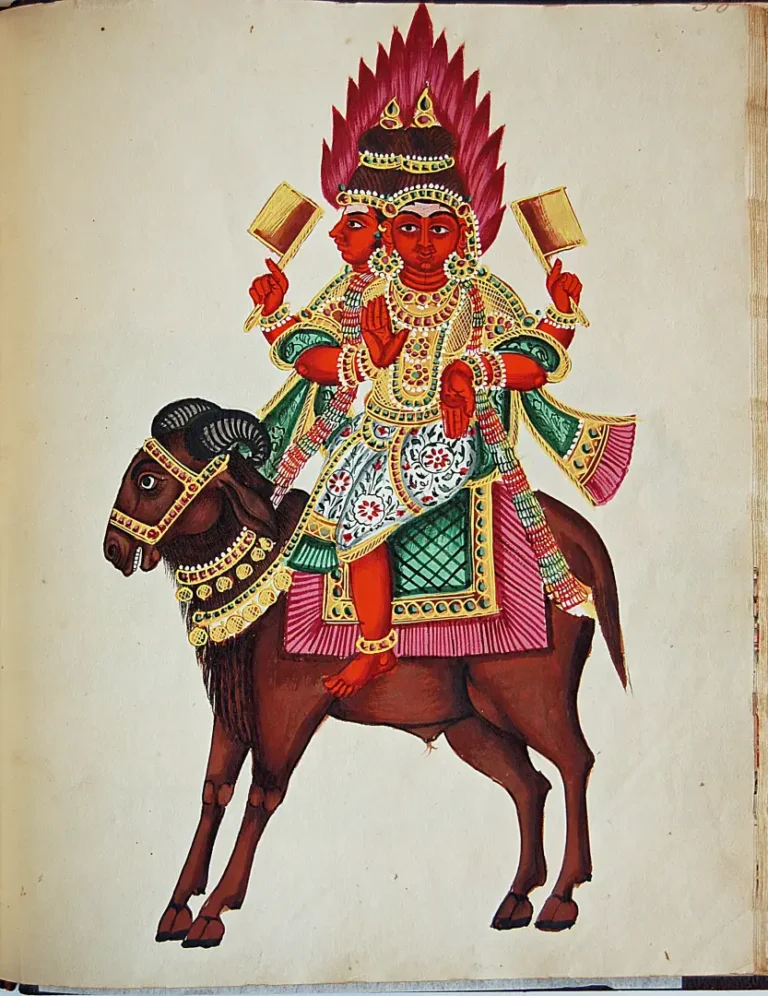
तदग्निना पुनर्व्याप्तं सञ्जातश्श्वेतपर्वतः ।
tadagninā punarvyāptaṃ sañjātaśśvetaparvataḥ |
हिंदी अर्थ अग्नि से पुनः व्याप्त होकर वह श्वेत पर्वत बन गया, और अग्नि तथा सूर्य जैसा चमकता दिव्य सरकंडों का वन बना, जहाँ अग्नि से उत्पन्न महातेजस्वी कार्तिकेय का जन्म हुआ।
English meaning Pervaded again by fire, it became the White Mountain, and a divine forest of reeds, bright as fire and sun, where the radiant Kartikeya, born of fire, came into being.
अथोमां च शिवं चैव देवास्सर्षिगणास्तदा ।
athomāṃ ca śivaṃ caiva devāssarṣigaṇāstadā |
हिंदी अर्थ फिर ऋषिगणों सहित देवताओं ने प्रसन्न मन से उमा और शिव की बहुत पूजा की।
English meaning Then the gods with the hosts of sages, glad at heart, worshipped Uma and Shiva greatly.
अथ शैलसुता राम त्रिदशानिदमब्रवीत् ।
atha śailasutā rāma tridaśānidamabravīt |
हिंदी अर्थ तब हे राम, पर्वतपुत्री ने क्रोध से लाल आँखें करके देवताओं से कहा और क्रुद्ध होकर सबको शाप दिया:
English meaning Then, Rama, the daughter of the mountain, her eyes red with anger, spoke to the gods and in her wrath cursed them all:
यस्मान्निवारिता चैव सङ्गतिः पुत्रकाम्यया ।
yasmānnivāritā caiva saṅgatiḥ putrakāmyayā |
हिंदी अर्थ क्योंकि पुत्र की इच्छा रखते हुए तुमने हमारा मिलन रोका, इसलिए तुम अपनी पत्नियों से संतान उत्पन्न नहीं करोगे।
English meaning Since you stopped our union when I wished for a son, you shall not beget children in your own wives.
अद्यप्रभृति युष्माकमप्रजास्सन्तु पत्नयः ।
adyaprabhṛti yuṣmākamaprajāssantu patnayaḥ |
हिंदी अर्थ आज से तुम्हारी पत्नियाँ संतानहीन रहेंगी। सब देवताओं से यह कहकर उन्होंने पृथ्वी को भी शाप दिया।
English meaning From today your wives shall be childless. Having said this to all the gods, she cursed the earth as well.
23-24
1.36.23-24
Copy link
अवने नैकरूपा त्वं बहुभार्या भविष्यसि ।
avane naikarūpā tvaṃ bahubhāryā bhaviṣyasi |
हिंदी अर्थ हे पृथ्वी, तुम अनेक रूपों वाली होगी और अनेकों की पत्नी बनोगी। मेरे क्रोध से कलुषित, हे दुर्बुद्धि, तुम्हें पुत्र का सुख नहीं मिलेगा, क्योंकि तुमने मेरा पुत्र नहीं चाहा।
English meaning Earth, you will take many forms and be the wife of many. Clouded by my anger, foolish one, you will not know the joy of a son, since you did not want my son.
तान् सर्वान् व्रीडितान् दृष्ट्वा सुरान्सुरपतिस्तदा ।
tān sarvān vrīḍitān dṛṣṭvā surānsurapatistadā |
हिंदी अर्थ सब देवताओं को लज्जित देखकर देवेश्वर तब वरुण द्वारा रक्षित पश्चिम दिशा की ओर चल पड़े।
English meaning Seeing all the gods ashamed, the lord of the gods then set out towards the west, guarded by Varuna.
स गत्वा तप आतिष्ठत्पार्श्वे तस्योत्तरे गिरौ ।
sa gatvā tapa ātiṣṭhatpārśve tasyottare girau |
हिंदी अर्थ वहाँ जाकर महेश्वर ने देवी के साथ उसके उत्तर में हिमालय से निकले एक शिखर पर तप किया।
English meaning Going there, the great lord practised penance with the goddess on a peak sprung from the Himalaya, on the mountain to its north.
एष ते विस्तरो राम शैलपुत्र्या निवेदितः ।
eṣa te vistaro rāma śailaputryā niveditaḥ |
हिंदी अर्थ हे राम, मैंने तुम्हें पर्वतपुत्री का पूरा वृत्तांत सुनाया। अब लक्ष्मण के साथ मुझसे गंगा की उत्पत्ति सुनो।
English meaning Rama, I have told you in full of the daughter of the mountain. Now hear from me, with Lakshmana, the origin of Ganga.