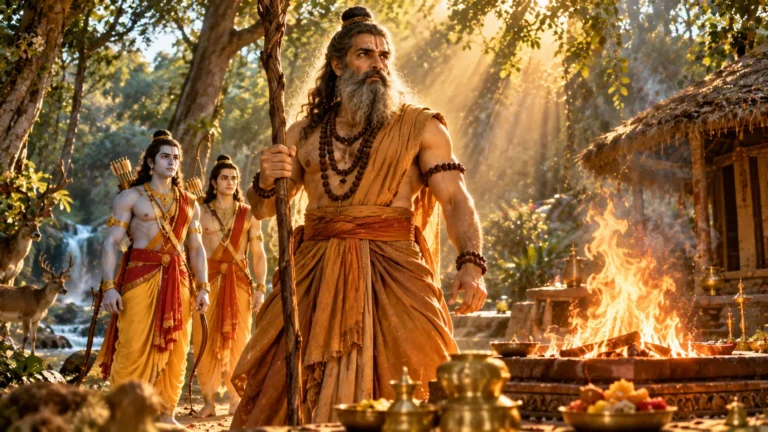
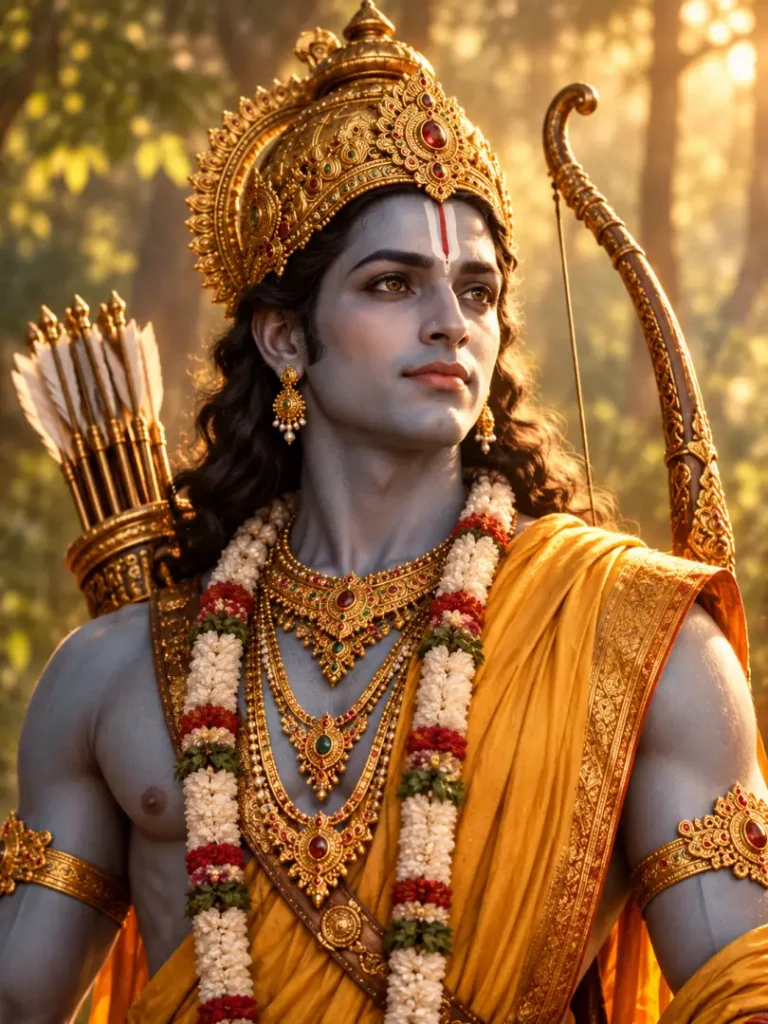
उपास्य रात्रिशेषं तु शोणाकूले महर्षिभिः ।
upāsya rātriśeṣaṃ tu śoṇākūle maharṣibhiḥ |
हिंदी अर्थ शोण नदी के तट पर महर्षियों के साथ शेष रात बिताकर, उज्ज्वल प्रभात होने पर विश्वामित्र बोले:
English meaning Having spent the rest of the night on the bank of the Shona with the great sages, Vishvamitra spoke as the night turned to a bright dawn:
सुप्रभाता निशा राम पूर्वा सन्ध्या प्रवर्तते ।
suprabhātā niśā rāma pūrvā sandhyā pravartate |
हिंदी अर्थ हे राम, रात बीतकर सुंदर प्रभात हो गया है और प्रातःसंध्या का समय है। उठो, उठो, तुम्हारा कल्याण हो, और चलने की तैयारी करो।
English meaning Rama, the night has given way to a fine dawn and the morning twilight is here. Rise, rise, blessings on you, and make ready to go.
तच्छ्रुत्वा वचनं तस्य कृत्वा पौर्वाह्णिकीं क्रियाम् ।
tacchrutvā vacanaṃ tasya kṛtvā paurvāhṇikīṃ kriyām |
हिंदी अर्थ उनके वचन सुनकर राम ने प्रातःकाल के कर्म किए, चलने को तैयार हुए और यह कहा:
English meaning Hearing his words, Rama performed the morning rites, made ready to go, and said this:
अयं शोणश्शुभजलोऽगाधः पुलिनमण्डितः ।
ayaṃ śoṇaśśubhajalo'gādhaḥ pulinamaṇḍitaḥ |
हिंदी अर्थ यह शोण नदी निर्मल जल वाली, गहरी और रेतीले तटों से सजी है। हे ब्रह्मन, हम इसे किस मार्ग से पार करेंगे?
English meaning This Shona, with its clear water, is deep and lined with sandbanks. Brahmin, by which way shall we cross it?
एवमुक्तस्तु रामेण विश्वामित्रोऽब्रवीदिदम् ।
evamuktastu rāmeṇa viśvāmitro'bravīdidam |
हिंदी अर्थ राम के पूछने पर विश्वामित्र ने कहा: यह मार्ग मैंने बताया है, जिससे महर्षि जाते हैं।
English meaning Asked this by Rama, Vishvamitra said: This is the path I have marked, the one the great sages take.
एवमुक्ता महर्षयो विश्वामित्रेण धीमता ।
evamuktā maharṣayo viśvāmitreṇa dhīmatā |
हिंदी अर्थ बुद्धिमान विश्वामित्र के ऐसा कहने पर महर्षि तरह तरह के वनों को देखते हुए चल पड़े।
English meaning Told this by the wise Vishvamitra, the great sages set out, looking at forests of many kinds.
ते गत्वा दूरमध्वानं गतेऽर्धदिवसे तदा ।
te gatvā dūramadhvānaṃ gate'rdhadivase tadā |
हिंदी अर्थ लंबा मार्ग तय करके, आधा दिन बीतने पर उन्होंने मुनियों से सेवित, नदियों में श्रेष्ठ जाह्नवी को देखा।
English meaning Having gone a long way, when half the day had passed, they saw the Jahnavi, best of rivers, frequented by sages.
तां दृष्ट्वा पुण्यसलिलां हंससारससेविताम् ।
tāṃ dṛṣṭvā puṇyasalilāṃ haṃsasārasasevitām |
हिंदी अर्थ हंसों और सारसों से सेवित उसके पवित्र जल को देखकर सब मुनि और दोनों राघव प्रसन्न हुए।
English meaning Seeing her holy waters, frequented by swans and cranes, all the sages and the two Raghavas were delighted.
तस्यास्तीरे ततश्चक्रुस्त आवासपरिग्रहम् ।
tasyāstīre tataścakrusta āvāsaparigraham |
हिंदी अर्थ फिर उन्होंने उसके तट पर डेरा डाला, विधिपूर्वक स्नान किया, पितरों और देवताओं का तर्पण किया, अग्निहोत्र किया और अमृत जैसी हवि ग्रहण की; और पवित्र तथा प्रसन्न मन से महात्मा विश्वामित्र को चारों ओर से घेरकर जाह्नवी के तट पर बैठ गए।
English meaning Then they made camp on her bank, bathed as prescribed, offered water to the ancestors and gods, made their fire offerings and ate the oblation like nectar; and, pure and glad at heart, they settled on the bank of the Jahnavi, surrounding the great souled Vishvamitra on every side.
11-12
1.35.11-12
Copy link
अथ तत्र तदा रामो विश्वामित्रमथाब्रवीत् ।
atha tatra tadā rāmo viśvāmitramathābravīt |
हिंदी अर्थ तब राम ने विश्वामित्र से कहा: हे भगवन, मैं तीन मार्गों से बहने वाली गंगा नदी के विषय में सुनना चाहता हूँ। वह तीनों लोकों को पार करके नदियों के स्वामी समुद्र तक कैसे पहुँची?
English meaning Then Rama said to Vishvamitra: Holy one, I wish to hear about the river Ganga that flows by three paths. How did she cross the three worlds and reach the ocean, lord of rivers?
चोदितो रामवाक्येन विश्वामित्रो महामुनिः ।
codito rāmavākyena viśvāmitro mahāmuniḥ |
हिंदी अर्थ राम के वचन से प्रेरित होकर महामुनि विश्वामित्र ने गंगा के जन्म और विस्तार की कथा कहना आरंभ किया।
English meaning Urged by Rama's words, the great sage Vishvamitra began to tell of the birth and growth of Ganga.
शैलेन्द्रो हिमवान्नाम धातूनामाकरो महान् ।
śailendro himavānnāma dhātūnāmākaro mahān |
हिंदी अर्थ पर्वतों का राजा हिमवान है, जो धातुओं की महान खान है। हे राम, उसकी दो पुत्रियाँ थीं जो रूप में पृथ्वी पर अनुपम थीं।
English meaning There is a king of mountains named Himavan, a great mine of minerals. Rama, he had two daughters unequalled in beauty on earth.
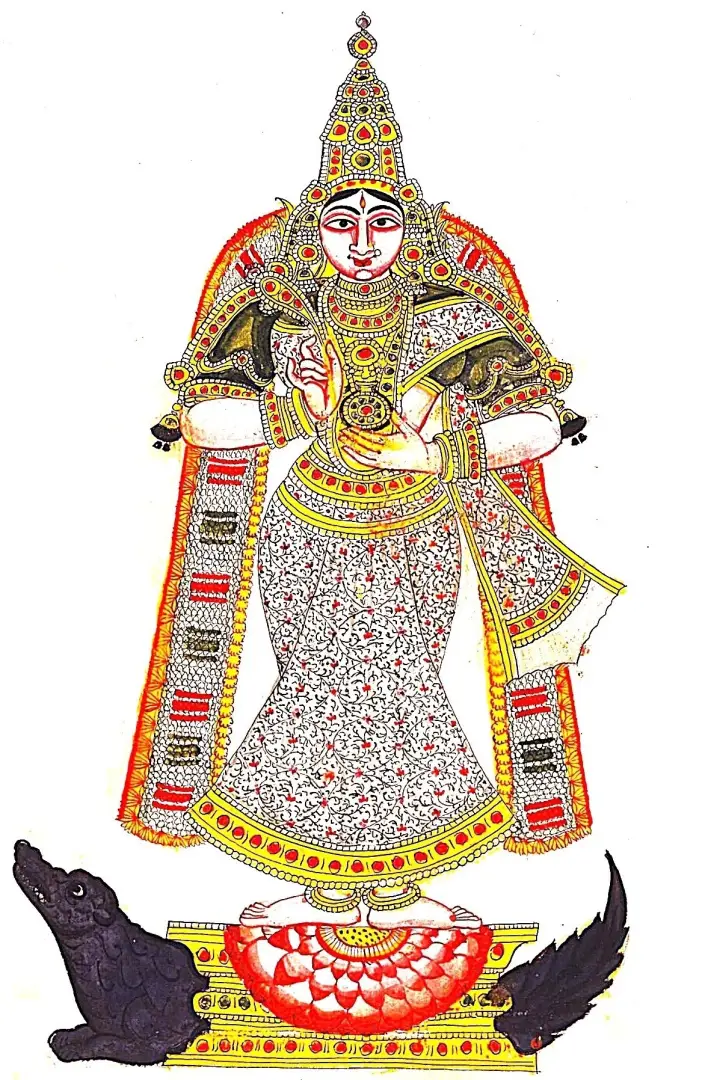
या मेरुदुहिता राम तयोर्माता सुमध्यमा ।
yā meruduhitā rāma tayormātā sumadhyamā |
हिंदी अर्थ हे राम, उनकी माता मेरु की सुंदर कटि वाली पुत्री थीं, जिनका नाम मनोरमा था और जो हिमवान की प्रिय पत्नी थीं।
English meaning Rama, their mother was the slender waisted daughter of Meru, named Manorama, the beloved wife of Himavan.
तस्यां गङ्गेयमभवज्ज्येष्ठा हिमवतस्सुता ।
tasyāṃ gaṅgeyamabhavajjyeṣṭhā himavatassutā |
हिंदी अर्थ उनसे यह गंगा उत्पन्न हुई, जो हिमवान की बड़ी पुत्री है। हे राघव, दूसरी का नाम उमा था।
English meaning Of her was born this Ganga, the elder daughter of Himavan. The second, Raghava, was named Uma.
अथ ज्येष्ठां सुरास्सर्वे देवतार्थचिकीर्षया ।
atha jyeṣṭhāṃ surāssarve devatārthacikīrṣayā |
हिंदी अर्थ फिर सब देवताओं ने देवकार्य की इच्छा से पर्वतराज से बड़ी पुत्री, त्रिपथगा गंगा नदी को माँगा।
English meaning Then all the gods, wishing to serve the purpose of the gods, asked the king of mountains for the elder, Ganga, the river of three paths.
ददौ धर्मेण हिमवान् तनयां लोकपावनीम् ।
dadau dharmeṇa himavān tanayāṃ lokapāvanīm |
हिंदी अर्थ तीनों लोकों के हित के लिए हिमवान ने धर्मपूर्वक अपनी पुत्री गंगा को दे दिया, जो संसार को पवित्र करती है और स्वेच्छा से बहती है।
English meaning For the good of the three worlds, Himavan gave by dharma his daughter Ganga, who purifies the world and flows as she wills.
प्रतिगृह्य ततो देवास्त्रिलोकहितकारिणः ।
pratigṛhya tato devāstrilokahitakāriṇaḥ |
हिंदी अर्थ उसे पाकर तीनों लोकों का हित करने वाले देवता कृतार्थ मन से गंगा को लेकर चले गए।
English meaning Receiving her, the gods, who work for the good of the three worlds, took Ganga and went away with their purpose fulfilled.
या चान्या शैलदुहिता कन्यासीद्रघुनन्दन ।
yā cānyā śailaduhitā kanyāsīdraghunandana |
हिंदी अर्थ हे रघुनंदन, पर्वत की दूसरी पुत्री ने, जो तपस्विनी थी, कठोर व्रत लेकर तप किया।
English meaning The other daughter of the mountain, joy of the Raghus, rich in penance, took up a fierce vow and practised penance.
उग्रेण तपसा युक्तां ददौ शैलवरस्सुताम् ।
ugreṇa tapasā yuktāṃ dadau śailavarassutām |
हिंदी अर्थ पर्वतश्रेष्ठ ने उग्र तप से युक्त, लोकवंदित अपनी पुत्री उमा को अनुपम रुद्र को सौंप दिया।
English meaning The best of mountains gave his daughter Uma, honoured by the world and endowed with fierce penance, to Rudra, who has no equal.
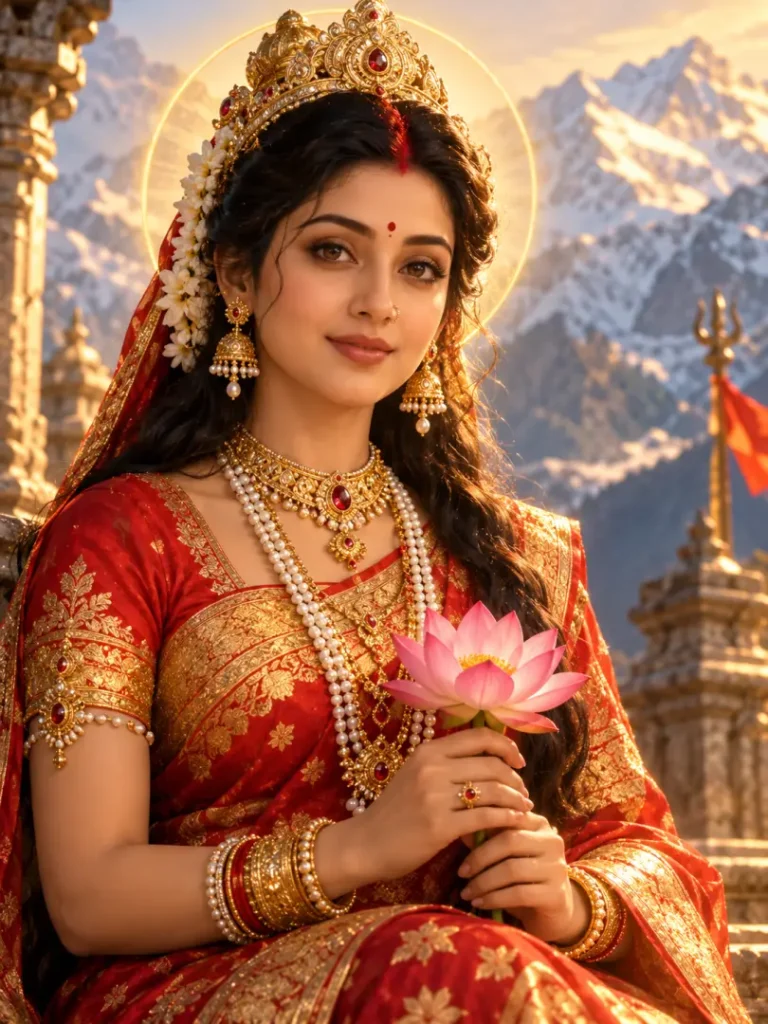
एते ते शैलराजस्य सुते लोकनमस्कृते ।
ete te śailarājasya sute lokanamaskṛte |
हिंदी अर्थ हे राघव, ये हैं पर्वतराज की दो लोकवंदित पुत्रियाँ: नदियों में श्रेष्ठ गंगा और देवी उमा।
English meaning These, Raghava, are the two daughters of the king of mountains, honoured by the world: Ganga, best of rivers, and the goddess Uma.
एतत्ते सर्वमाख्यातं यथा त्रिपथगा नदी ।
etatte sarvamākhyātaṃ yathā tripathagā nadī |
हिंदी अर्थ हे तात, चलने वालों में श्रेष्ठ, मैंने तुम्हें सब बता दिया कि त्रिपथगा नदी पहले आकाश में कैसे गई।
English meaning I have told you all of how the river of three paths first went to the sky, my dear, best of those who move.
सैषा सुरनदी रम्या शैलेन्द्रस्य सुता तदा ।
saiṣā suranadī ramyā śailendrasya sutā tadā |
हिंदी अर्थ यह सुंदर देवनदी, पर्वतराज की पुत्री, पापों से मुक्त करने वाले जल के साथ बहती हुई देवलोक पहुँची।
English meaning This lovely river of the gods, the daughter of the king of mountains, rose to the world of the gods, flowing with water that frees from sin.